

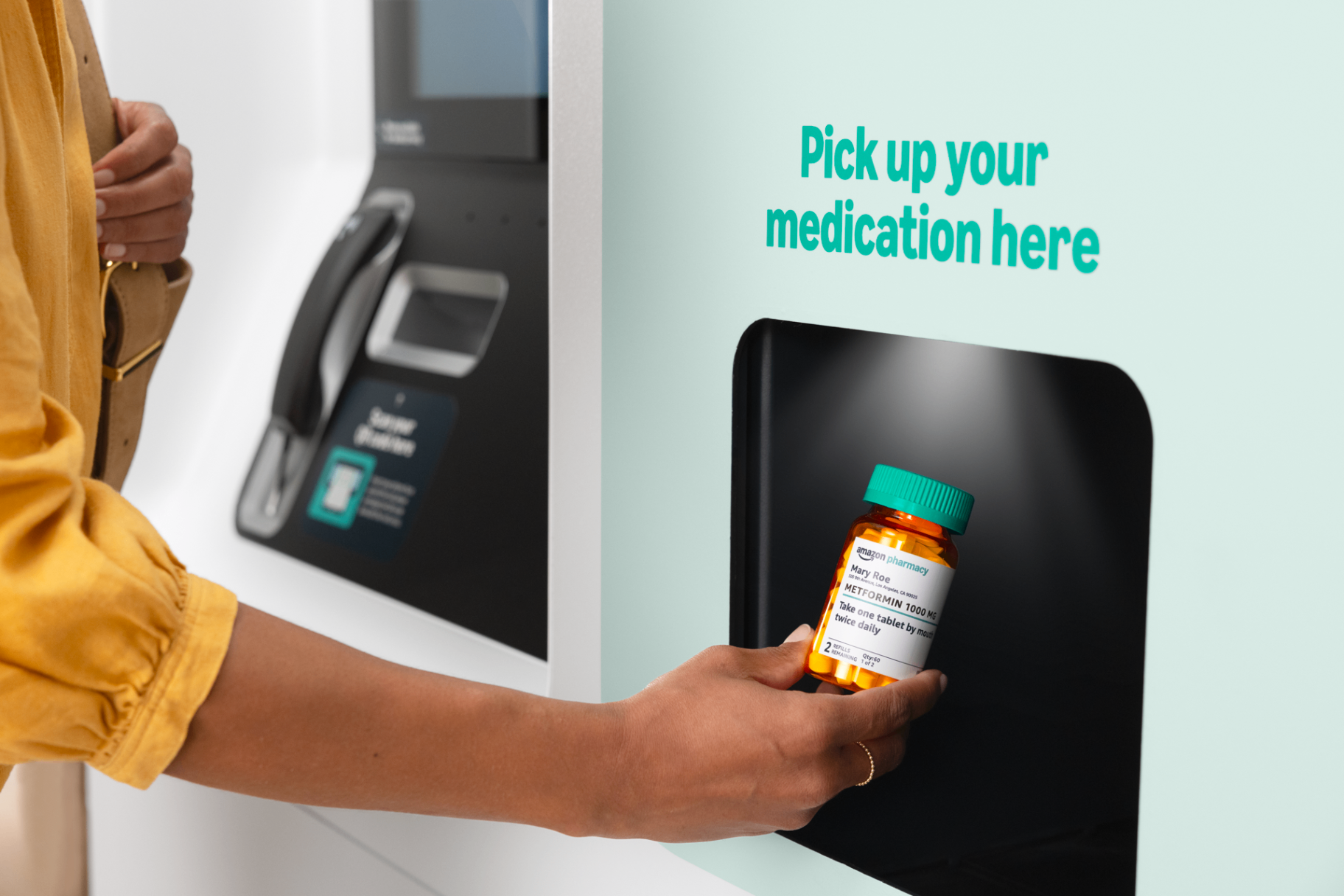
Amazon Pharmacy announced plans to significantly expand its same-day prescription delivery service across the United States, aiming to serve approximately 4,500 cities and towns by the end of 2026. This expansion adds roughly 2,000 new communities, including newly served states like Idaho and Massachusetts, building on earlier rollout efforts. The service leverages Amazon’s established logistics network—using e-bikes in dense urban areas, electric vehicles in suburbs, and other creative delivery methods—to bring medications directly to patients’ doors within hours of ordering, addressing ongoing challenges such as pharmacy closures, staffing shortages, transportation barriers and slow traditional mail-order options. In addition to faster deliveries, Amazon has been innovating with in-clinic pharmacy kiosks at One Medical clinics and offering programs like the $5-per-month RxPass for Prime members, positioning itself to compete with traditional brick-and-mortar pharmacies and disrupt the healthcare distribution landscape. John Love, vice president of Amazon Pharmacy, emphasized the company’s goal of removing barriers to access by combining speed, cost savings, and convenience.
Sources
https://techcrunch.com/2026/02/11/amazon-pharmacy-to-expand-same-day-delivery-to-nearly-4500-us-cities/
https://www.reuters.com/business/healthcare-pharmaceuticals/amazon-pharmacy-expand-same-day-delivery-about-4500-us-cities-towns-2026-02-11/
https://www.foxbusiness.com/retail/amazon-pharmacy-expand-same-day-prescription-delivery-4500-us-cities
Key Takeaways
• Amazon’s expansion to same-day delivery in nearly 4,500 cities marks a major push into nationwide pharmaceutical distribution using its logistics network.
• The service aims to overcome access challenges tied to pharmacy closures, staffing shortages, transportation barriers, and slow mail-order delivery.
• Amazon is positioning this rollout alongside digital-first innovations and pricing programs to capture market share from traditional pharmacy chains.
In-Depth
Amazon Pharmacy’s strategy to scale same-day prescription delivery to roughly 4,500 U.S. cities by the end of 2026 is one of the most ambitious expansions in the company’s healthcare commerce playbook. This initiative builds on the foundation laid since Amazon entered the prescription drug market after acquiring PillPack in 2018, and it is intended to give patients faster, more convenient access to medications regardless of location. Traditional pharmacy delivery models, especially in rural areas, often rely on mail-order services that can take days to reach consumers, but Amazon’s model emphasizes speed and flexibility, with delivery options that can reach customers within hours in dense urban areas and much faster than conventional mail in remote regions. Programs like RxPass, which offers Prime members unlimited generic medications for a flat monthly fee, further enhance the appeal of Amazon’s pharmacy services by addressing cost concerns alongside delivery speed.
At the same time, the rollout underscores Amazon’s broader competitive stance against established pharmacy chains such as CVS and Walgreens, which have extensive physical footprints but lack the kind of logistics scale that Amazon brings. Amazon’s expansion could shake up the pharmacy delivery market by setting new expectations for convenience and potentially drawing business away from brick-and-mortar locations that have struggled with closures in recent years. By using innovative delivery methods—such as e-bikes in congested cities and kiosk pick-ups in healthcare settings—Amazon is experimenting with multiple touchpoints that integrate digital convenience with physical access.
The company’s emphasis on leveraging its logistical expertise to reduce barriers also reflects a growing trend of consumer-centric healthcare services that prioritize timely delivery and cost savings. The combined approach of rapid delivery, subscription pricing, and integration with primary care settings could alter patient expectations about how prescriptions are filled and delivered, signaling a shift in the healthcare distribution landscape that incumbent pharmacies will have to respond to if they aim to retain market share in the evolving pharmacy ecosystem.