

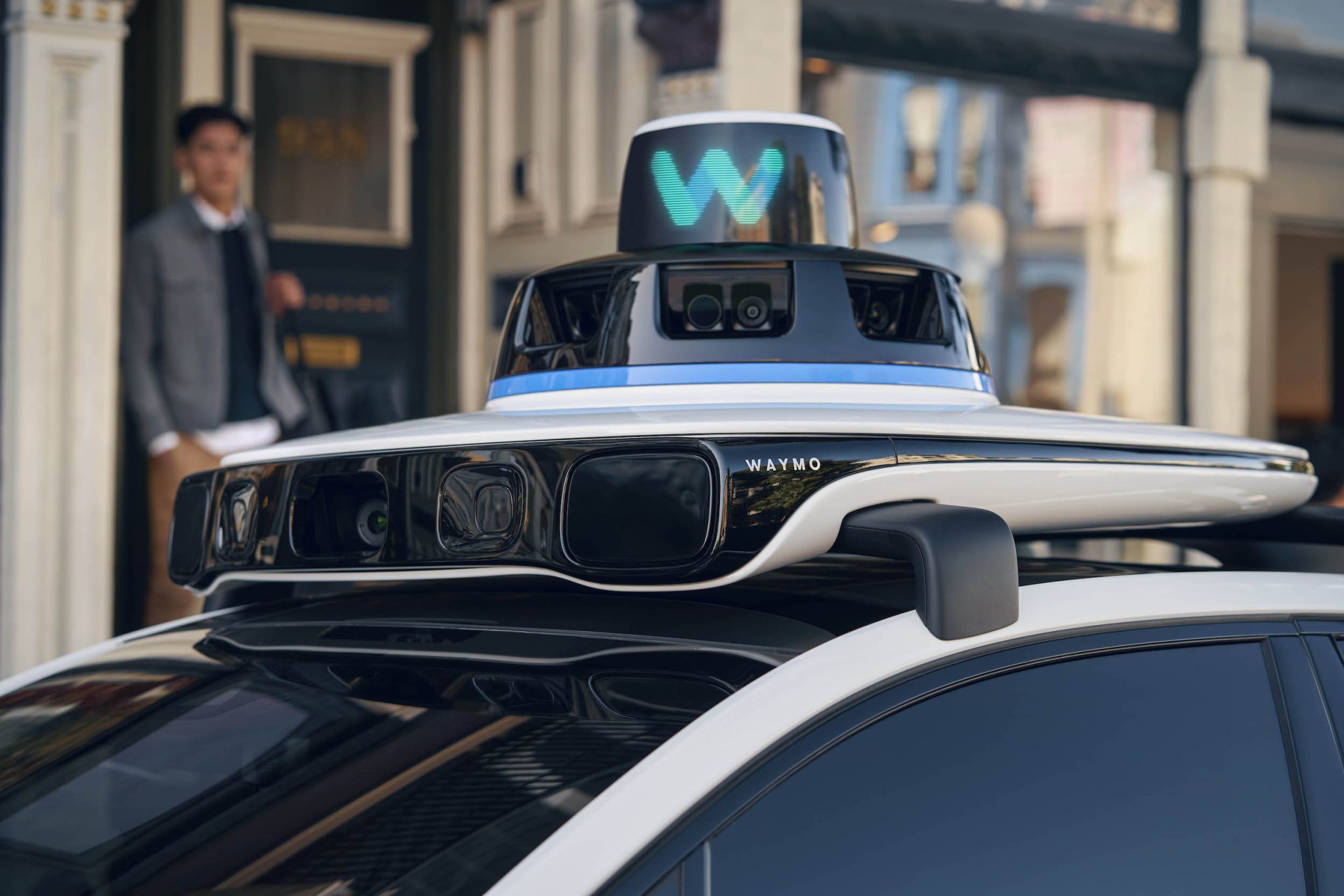
Waymo, the self-driving vehicle division of Alphabet Inc., has initiated fully autonomous operations in Nashville, Tennessee, marking a new phase in its expansion of driverless robotaxi services across the United States. The deployment in Music City comes after months of preparation and is tied to a strategic partnership with ride-hailing company Lyft, which is set to integrate Waymo’s autonomous fleet into its platform for public use later this year. Nashville joins several major metropolitan areas where Waymo has already developed autonomous driving capabilities, with ride-hail services previously established in cities like Phoenix and San Francisco. As Waymo ramps up its autonomous network, the effort underscores heightened competition in the driverless vehicle industry and growing investor interest in the technology, although concerns about safety, regulation, and broader commercial rollout timelines persist. The fully autonomous operations in Nashville represent a tangible step toward what proponents describe as the future of urban mobility, even as regulators and local officials continue to monitor safety protocols and public acceptance of driverless transportation.
Sources
https://www.theepochtimes.com/business/waymo-goes-fully-autonomous-in-nashville-5983289
https://www.reuters.com/business/waymo-goes-fully-autonomous-nashville-2026-02-09/
https://inspirepreneurmagazine.com/business/waymo-fully-autonomous-nashville-robotaxi-lyft-launch/
Key Takeaways
• Waymo has activated fully autonomous vehicle operations in Nashville as part of its growing robotaxi network, leveraging a partnership with Lyft to bring upcoming ride services to market.
• The Nashville launch joins Waymo’s existing autonomous deployments in multiple U.S. cities, signaling continued expansion amid rising competition in autonomous transportation.
• While the technology’s rollout is advancing, questions around safety, regulatory oversight, commercial viability, and public adoption remain central to the broader autonomous vehicle ecosystem.
In-Depth
Waymo’s move to full autonomy in Nashville marks a pivotal moment in the evolution of autonomous ride-hailing services in the United States, illustrating both technological progress and the complex dynamics of commercial deployment. As a division of tech giant Alphabet, Waymo has long been considered a leader in the development of self-driving vehicles, and its recent announcement confirms that its vehicles are now operating without human safety drivers in Music City. This expansion, while much anticipated following a partnership agreement with Lyft announced in late 2025, transitions the company’s efforts from testing toward real-world operational capability. The Lyft integration is significant: it will eventually allow consumers to hail autonomous robotaxis directly through the Lyft ride-hailing app, thereby leveraging an existing customer base and fleet management infrastructure that Waymo alone does not have to build from scratch. This collaborative approach underscores a broader strategy to accelerate adoption by partnering with established transportation platforms rather than relying solely on proprietary channels.
The significance of Nashville’s inclusion in Waymo’s footprint cannot be overstated. The city represents not just another regional market but a strategic foothold in the Southeast, an area of the country that has displayed regulatory openness toward autonomous vehicles. Tennessee’s regulatory environment, which focuses primarily on meeting federal safety standards rather than imposing additional state-level restrictions, has helped facilitate a smoother entry for Waymo’s driverless technology. This contrasts with some coastal states where autonomous operations have faced more stringent oversight. By achieving full autonomy in Nashville, Waymo joins other urban centers like Phoenix and the San Francisco Bay Area, where autonomous vehicles are already a public presence and earning practical experience operating on streets shared with human drivers.
Despite these advances, the broader landscape of driverless vehicles remains contentious. Safety advocates and regulators continue to scrutinize autonomous systems, particularly as they scale beyond limited pilot programs and research environments. Local law enforcement and transportation agencies in Nashville are actively coordinating guidance for officers and first responders to ensure public safety interacts with the new technology effectively. Even as driverless cars begin actual operations, vehicles may initially operate without carrying passengers, focusing first on data collection, mapping refinement, and incremental feature rollouts. The phased approach aims to balance innovation with caution, acknowledging both the promise of reduced traffic accidents and improved mobility options, as well as the public skepticism and legal complexities that accompany emerging technologies.
Moreover, the rise of autonomous vehicles is happening against the backdrop of competition from several industry players. Companies such as Tesla, which has long touted its own autonomous ambitions, and Amazon-owned Zoox, are vying for market share in robotaxi development, though none have yet matched Waymo’s scale of operations. The competitive landscape adds pressure and urgency to Waymo’s expansion plans, with investors closely watching the company’s ability to capture ridership, manage costs, and build trust among the broader public. As autonomous services move from pilot projects into mainstream transportation options, questions of commercial viability, regulatory alignment, and safety performance will shape how—and how quickly—autonomous vehicles become a common feature of city streets nationwide.
In summary, Waymo’s fully autonomous rollout in Nashville embodies both the technological achievements and strategic challenges of bringing driverless transportation into everyday use. With significant corporate backing, strategic partnerships, and regulatory coordination, the company has laid a foundation that could lead to wider acceptance and usage. But the road ahead is complex, requiring continued oversight, consumer confidence, and operational refinement to realize the full potential of autonomous mobility.