

Close Menu

    Subscribe to Updates

    Get the latest tech news from Tallwire.

      What's Hot

      AI Infrastructure Investment Surges With Multi-Billion Dollar Data Center Deals

      March 2, 2026

      Netflix Backs Off Warner Bros. Deal As Paramount’s Higher Bid Prevails

      March 2, 2026

      Major Cybercrime Group Claims Theft Of 1.7 Million CarGurus Corporate Records

      March 1, 2026
      Facebook X (Twitter) Instagram
      • Tech
      • AI
      • Get In Touch
      Facebook X (Twitter) LinkedIn
      TallwireTallwire
      • Tech

        Amazon Overtakes Walmart As America’s Largest Company By Revenue

        March 1, 2026

        Chinese Sellers Peddling Anti-Drone Weapons On TikTok Raise Security Alarms

        March 1, 2026

        Say Goodbye to the Undersea Cable That Made the Global Internet Possible

        March 1, 2026

        Microsoft Copilot Bug Exposed “Confidential” Emails Despite Label

        February 28, 2026

        Taara Beam Launch Brings 25Gbps Optical Wireless Networks to Cities

        February 27, 2026
      • AI

        AI Infrastructure Investment Surges With Multi-Billion Dollar Data Center Deals

        March 2, 2026

        Study Signals AI Search Shift Threatens Traditional Web Traffic Model

        March 1, 2026

        Amazon’s Security Chief Warns AI Will Flood Data, Expand Cyber Risk

        March 1, 2026

        AI Password Generation Poses Major Security Risk, Experts Warn

        February 28, 2026

        Microsoft Copilot Bug Exposed “Confidential” Emails Despite Label

        February 28, 2026
      • Security

        Major Cybercrime Group Claims Theft Of 1.7 Million CarGurus Corporate Records

        March 1, 2026

        Google Cracks Down On Android Apps And Developer Accounts In 2025

        March 1, 2026

        Massive Exposed Database With Billions of Social Security Numbers Sparks Identity Theft Fears

        March 1, 2026

        Amazon’s Security Chief Warns AI Will Flood Data, Expand Cyber Risk

        March 1, 2026

        Password Managers Share a Hidden Weakness

        March 1, 2026
      • Health

        Social Media Addiction Trial Draws Grieving Parents Seeking Accountability From Tech Platforms

        February 19, 2026

        Portugal’s Parliament OKs Law to Restrict Children’s Social Media Access With Parental Consent

        February 18, 2026

        Parents Paint 108 Names, Demand Snapchat Reform After Deadly Fentanyl Claims

        February 18, 2026

        UK Kids Turning to AI Chatbots and Acting on Advice at Alarming Rates

        February 16, 2026

        Landmark California Trial Sees YouTube Defend Itself, Rejects ‘Social Media’ and Addiction Claims

        February 16, 2026
      • Science

        Astronomers Confirm Discovery Of Galaxy Nearly Entirely Composed Of Dark Matter

        March 1, 2026

        Microsoft Claims 100 Percent Renewable Energy Match Across Global Electricity Use

        February 28, 2026

        Taara Beam Launch Brings 25Gbps Optical Wireless Networks to Cities

        February 27, 2026

        Large Hadron Collider Enters Third Shutdown For Major Upgrade

        February 26, 2026

        Google Phases Out Android’s Built-In Weather App, Replacing It With Search-Based Forecasts

        February 25, 2026
      • Tech

        Sam Altman Says ‘AI Washing’ Is Being Used to Mask Corporate Layoffs

        February 28, 2026

        Zuckerberg Testifies In Landmark Trial Over Alleged Teen Social Media Harms

        February 23, 2026

        Gay Tech Networks Under Spotlight In Silicon Valley Culture Debate

        February 23, 2026

        Google Co-Founder’s Epstein Contacts Reignite Scrutiny of Elite Tech Circles

        February 7, 2026

        Bill Gates Denies “Absolutely Absurd” Claims in Newly Released Epstein Files

        February 6, 2026
      TallwireTallwire
      Home»Tech»AI’s Hidden Environmental Toll: E-Waste Surge Fueled By Rapid AI Hardware Turnover
      Tech

      AI’s Hidden Environmental Toll: E-Waste Surge Fueled By Rapid AI Hardware Turnover

      4 Mins Read
      Facebook Twitter Pinterest LinkedIn Tumblr Email
      AI’s Hidden Environmental Toll: E-Waste Surge Fueled By Rapid AI Hardware Turnover
      AI’s Hidden Environmental Toll: E-Waste Surge Fueled By Rapid AI Hardware Turnover
      Share
      Facebook Twitter LinkedIn Pinterest Email

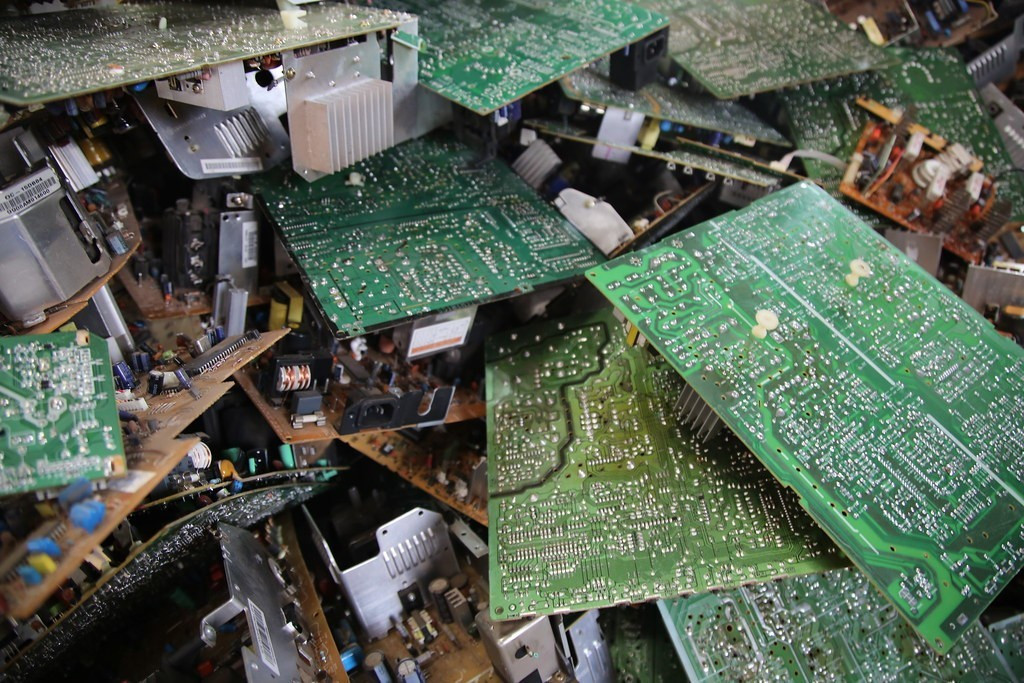
      A growing body of research and reporting highlights that the rapid expansion of generative artificial intelligence and the infrastructure supporting it is contributing to an acceleration of the global electronic waste (e-waste) problem. Tech companies frequently upgrade specialized computing hardware such as GPUs and servers needed for AI workloads, shortening device lifespans and creating volumes of obsolete electronics that are hard to recycle; experts warn this trend could add millions of metric tons of e-waste by 2030 amid a broader rise in global e-waste production, with existing recycling systems struggling to keep pace. While the full environmental impact is complex and includes energy and material considerations, the intersection of AI’s rapid hardware cycle and the world’s existing e-waste challenges is prompting calls for better policy, recycling infrastructure, and private-sector innovation to manage the downstream consequences of modern computing growth.

      Sources: Epoch Times, Scientific American

      Key Takeaways

      – Generative AI’s heavy reliance on specialized hardware like GPUs, paired with frequent upgrades, leads to accelerated disposal of electronic devices and contributes to the global e-waste stream.

      – Independent studies project that AI-related infrastructure growth could add millions of metric tons of e-waste by 2030, intensifying existing waste management challenges.

      – The issue exists within a broader systemic gap: only a fraction of global e-waste is properly recycled, underscoring the need for stronger recycling systems and clearer public policy.

      In-Depth

      When most people think about artificial intelligence, they picture algorithms, automation, and futuristic applications. What often gets less attention outside tech and environmental circles is the physical infrastructure that makes large-scale AI possible — and the material consequences that follow. Generative AI models and high-performance computing workloads require specialized hardware such as graphics processing units (GPUs), tensor processors, and dense server racks. These components are engineered for performance and speed, not longevity, and the commercial drive for the latest, fastest systems means that perfectly serviceable devices are retired early in favor of upgrades. That pattern — driven by competitive markets, rapid innovation cycles, and Moore’s Law-style expectations — has a tangible downside: a buildup of obsolete electronics that ends up in the global e-waste stream.

      The Epoch Times recently reported that as AI systems roll out across industries, the infrastructure needed to power them is piling up behind the scenes in the form of discarded hardware. While that report focuses on the headline issue of AI’s contribution to e-waste, it reflects a broader global trend: electronic waste is one of the fastest-growing waste streams on the planet. According to scientific analysis, the growth of AI could add anywhere from 1.2 million to five million additional metric tons of hazardous e-waste by 2030, depending on how quickly hardware cycles turn over and how much of that waste is actually captured for recycling.

      This isn’t just an environmental talking point — it’s a practical challenge. Most of the world’s e-waste is either landfilled, shipped to informal recycling operations with minimal health protections, or processed in underfunded facilities that recover only a subset of valuable materials. The specialized nature of AI hardware complicates recycling further: GPUs and other high-end components contain rare earth metals and complex assemblies that are expensive to disassemble and repurpose. Without better systems in place — from producer responsibility programs to market incentives for refurbishment and reuse — the economic forces driving rapid hardware turnover will continue to outpace the capacity of recycling markets.

      From a practical standpoint, addressing this issue means more than environmental rhetoric. There is room for policy to catch up to technology. Responsible recycling infrastructure, tax incentives for refurbishing older equipment, and clearer regulations around the disposal of high-performance computing gear can help mitigate the e-waste surge without stifling innovation. Private-sector leadership matters too: companies with large AI deployments can build take-back programs, design for modular upgrades, and invest in recycling partnerships to reduce their material footprint.

      In sum, the story of AI and e-waste is a reminder that digital innovation has very real physical effects. Recognizing those effects, and building pragmatic frameworks to manage them, will keep both industry and society moving forward without ignoring the environmental and economic costs of unchecked hardware obsolescence.

      Share. Facebook Twitter Pinterest LinkedIn Tumblr Email
      Previous ArticleAI’s Cybersecurity Weakest Link: Apocalypse by Automation?
      Next Article AI’s Silent Revolution: Call Centers On The Brink

      Related Posts

      Amazon Overtakes Walmart As America’s Largest Company By Revenue

      March 1, 2026

      Chinese Sellers Peddling Anti-Drone Weapons On TikTok Raise Security Alarms

      March 1, 2026

      Say Goodbye to the Undersea Cable That Made the Global Internet Possible

      March 1, 2026

      Microsoft Copilot Bug Exposed “Confidential” Emails Despite Label

      February 28, 2026
      Add A Comment
      Leave A Reply Cancel Reply

      Editors Picks

      Amazon Overtakes Walmart As America’s Largest Company By Revenue

      March 1, 2026

      Chinese Sellers Peddling Anti-Drone Weapons On TikTok Raise Security Alarms

      March 1, 2026

      Say Goodbye to the Undersea Cable That Made the Global Internet Possible

      March 1, 2026

      Microsoft Copilot Bug Exposed “Confidential” Emails Despite Label

      February 28, 2026
      Popular Topics
      Series A Sundar Pichai Startup Taiwan Tech Ransomware picks Qualcomm Quantum computing Robotics Satya Nadella Series B SpaceX UAE Tech trending Tesla Cybertruck Samsung spotlight Sam Altman Tesla Tim Cook
      Major Tech Companies
      • Apple News
      • Google News
      • Meta News
      • Microsoft News
      • Amazon News
      • Samsung News
      • Nvidia News
      • OpenAI News
      • Tesla News
      • AMD News
      • Anthropic News
      • Elbit News
      AI & Emerging Tech
      • AI Regulation News
      • AI Safety News
      • AI Adoption
      • Quantum Computing News
      • Robotics News
      Key People
      • Sam Altman News
      • Jensen Huang News
      • Elon Musk News
      • Mark Zuckerberg News
      • Sundar Pichai News
      • Tim Cook News
      • Satya Nadella News
      • Mustafa Suleyman News
      Global Tech & Policy
      • Israel Tech News
      • India Tech News
      • Taiwan Tech News
      • UAE Tech News
      Startups & Emerging Tech
      • Series A News
      • Series B News
      • Startup News
      Tallwire
      Facebook X (Twitter) LinkedIn Threads Instagram RSS
      • Tech
      • Entertainment
      • Business
      • Government
      • Academia
      • Transportation
      • Legal
      • Press Kit
      © 2026 Tallwire. Optimized by ARMOUR Digital Marketing Agency.

      Type above and press Enter to search. Press Esc to cancel.