

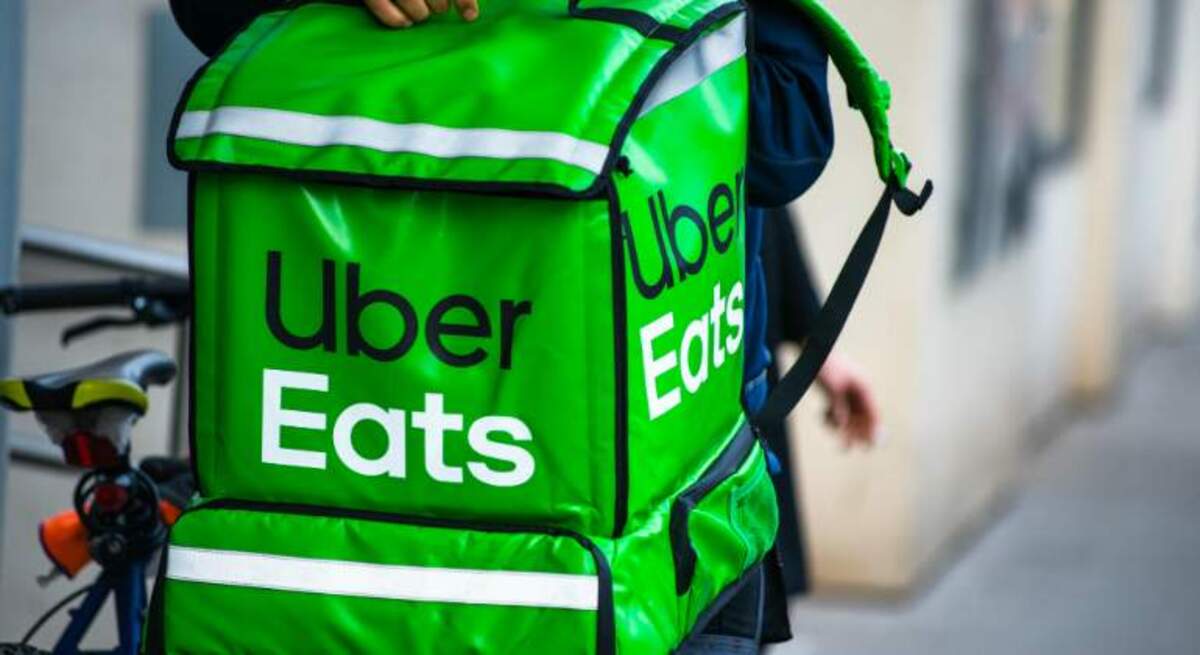
Amazon is pushing deeper into the convenience economy by enhancing its upgraded voice assistant, Alexa+, with new food-ordering capabilities that integrate directly with major delivery platforms, allowing users to place and manage orders through simple voice commands. The move reflects a broader strategy to embed Alexa more firmly into daily consumer routines, positioning it not just as a smart home tool but as a transactional hub that streamlines everyday tasks. By partnering with established delivery services, Amazon avoids building its own logistics network while still capturing user engagement and data, signaling a pragmatic approach to ecosystem expansion. The feature aims to reduce friction in ordering meals, enabling users to browse options, reorder favorites, and track deliveries conversationally. While this development underscores continued innovation in voice AI, it also raises questions about competition, data ownership, and the long-term viability of voice-first commerce in a crowded digital marketplace.
Sources
https://techcrunch.com/2026/03/31/alexa-plus-new-food-ordering-experiences-with-uber-eats-and-grubhub/
https://www.theverge.com/2026/3/31/amazon-alexa-plus-food-ordering-uber-eats-grubhub
https://www.cnbc.com/2026/03/31/amazon-alexa-plus-expands-food-ordering-partnerships.html
Key Takeaways
- Amazon is strengthening Alexa+ as a transactional platform by integrating directly with major food delivery services rather than building its own delivery infrastructure.
- Voice-based commerce continues to evolve, but its long-term adoption depends on user trust, accuracy, and convenience compared to traditional app-based ordering.
- The move reflects a broader strategic push to embed Alexa deeper into everyday routines, increasing user dependency and data capture within Amazon’s ecosystem.
In-Depth
Amazon’s latest move with Alexa+ isn’t just about ordering dinner—it’s about tightening its grip on the daily habits of consumers in a way that feels seamless, even inevitable. By integrating food ordering through established delivery platforms, the company is sidestepping the operational headaches of logistics while still inserting itself directly into the transaction layer. That’s a smart, calculated play. Instead of competing head-on with delivery providers, Amazon is positioning itself as the interface through which those services are accessed.
This approach highlights a broader shift in how major tech players are thinking about dominance. Control doesn’t always require ownership of infrastructure; sometimes it just requires owning the customer interaction. Alexa+ becomes the middleman that users trust, even if the fulfillment happens elsewhere. That’s where the real leverage lies—data, habits, and default behaviors.
Still, voice commerce has always faced an uphill battle. Consumers are creatures of habit, and tapping through an app remains faster and more precise for many. Amazon is betting that improvements in AI-driven conversation will close that gap, making voice interactions feel natural enough to replace screens in certain scenarios. Whether that bet pays off remains to be seen.
There’s also a bigger question about dependency. As more daily tasks flow through a single ecosystem, users trade convenience for consolidation. That might work in the short term, but it also raises concerns about competition and choice. For now, though, Amazon is playing the long game—embedding itself so deeply into routine behavior that opting out becomes the harder decision.