

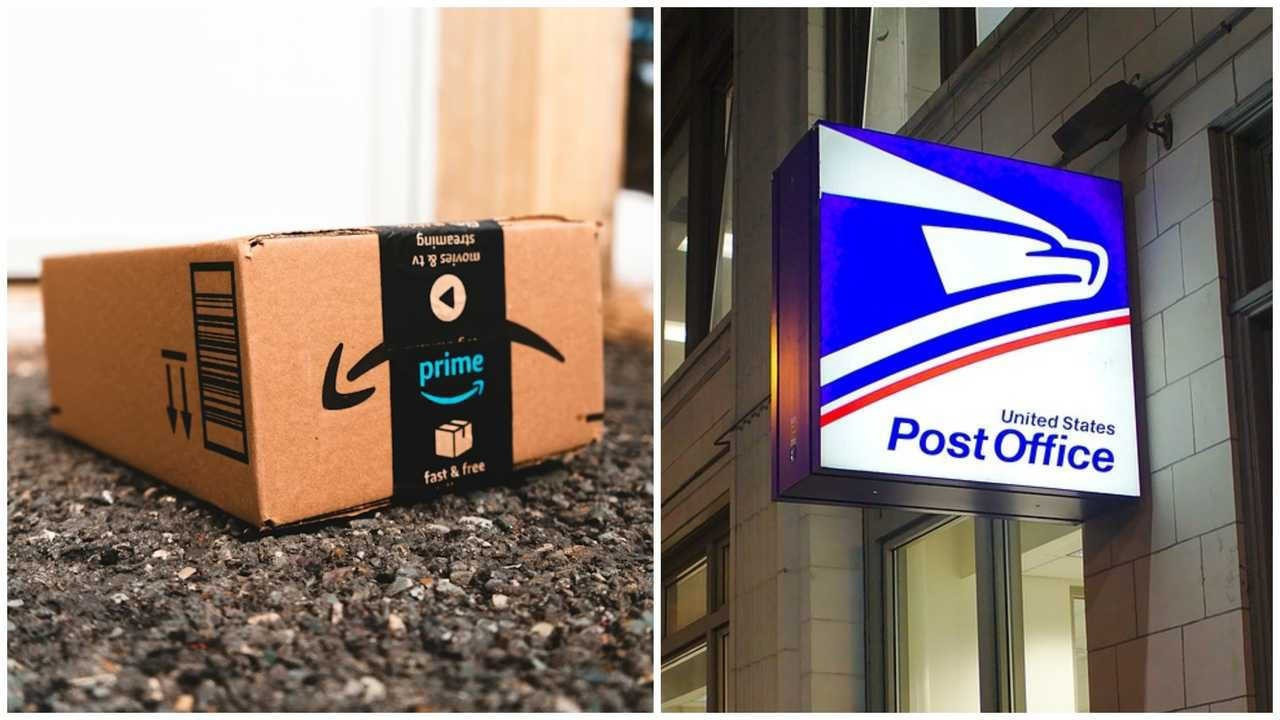
Amazon is reportedly weighing a major decision to end its long-running partnership with the U.S. Postal Service by the time their current contract expires in October 2026 — and instead build out its own nationwide delivery system. The company is evaluating this move after being taken aback by the Postal Service’s plan to auction off delivery capacity rather than guaranteeing Amazon preferential treatment. With Amazon already handling billions of parcels via its logistics infrastructure, an independent network could position the retail giant as the country’s dominant parcel carrier.
Key Takeaways
– Amazon’s contract generated roughly $6 billion for USPS in 2025 — about 7.5% of USPS revenue — meaning its departure could severely strain the agency’s finances.
– The shift would mark a major expansion of Amazon’s own logistics capabilities, potentially allowing it to surpass USPS in parcel volume entirely.
– The breakup arises amid structural changes at USPS, including a plan to auction facility access, underscoring increased competition in the package-delivery world.
In-Depth
The relationship between Amazon and the U.S. Postal Service is possibly heading for a dramatic transformation. For decades, USPS has served as a key delivery partner for Amazon, performing last-mile deliveries across urban, suburban, and rural America. According to recent reporting, that may soon change. With their contract set to expire in October 2026, Amazon is reportedly considering walking away entirely and building a homegrown delivery network to replace USPS for its shipments.
At the heart of the issue is a shift in how USPS plans to dole out access to its facilities and delivery capabilities. Rather than renewing a favorable long-term agreement for its biggest customer, USPS — under the leadership of its new Postmaster General — intends to put last-mile contracts and facility usage up for auction. That move would force Amazon to compete against other national, regional, or local carriers to maintain access. Amazon executives reportedly found this surprise plan unacceptable, triggering a strategic reevaluation.
Given Amazon’s existing investments in logistics — delivery vans (including electric ones), sorting centers, and a growing in-house shipping fleet — the company is far from starting from scratch. In 2024, Amazon’s logistics arm reportedly handled some 6.3 billion parcels in the U.S., trailing USPS but already in second place. Industry-wide projections suggest Amazon could surpass USPS in total parcel volume by 2028 — and possibly sooner if it shifts more volume onto its own network.
For USPS, losing Amazon would be a heavy blow: that $6 billion in annual contract revenue represents a significant share of its package-based earnings — critical in an era of declining first-class mail. The agency has suffered repeated losses in recent years, and the loss of its largest commercial customer could accelerate financial instability.
On the other hand, Amazon moving to control its entire delivery chain offers strategic advantages: tighter control over delivery timing and quality, less reliance on third-party providers, and possibly lower long-term logistics costs. But it also raises concerns: as Amazon tightens its grip on e-commerce fulfillment and delivery, competitors, smaller retailers, and rural customers depending on USPS’s universal service mandate may feel the impact — whether in higher costs, reduced delivery reliability, or diminished service across less-profitable areas.
As of now, Amazon has not publicly confirmed that it will end the partnership — a spokesperson stated that the company remains open to working with USPS and hopes to finalize a renewed deal. But given the standoff and underlying structural changes at USPS, the possibility of a full split appears increasingly real. The next year will be critical: whether the two sides reach a new agreement or prepare for a major logistics shift that could reshape how Americans get their packages.