

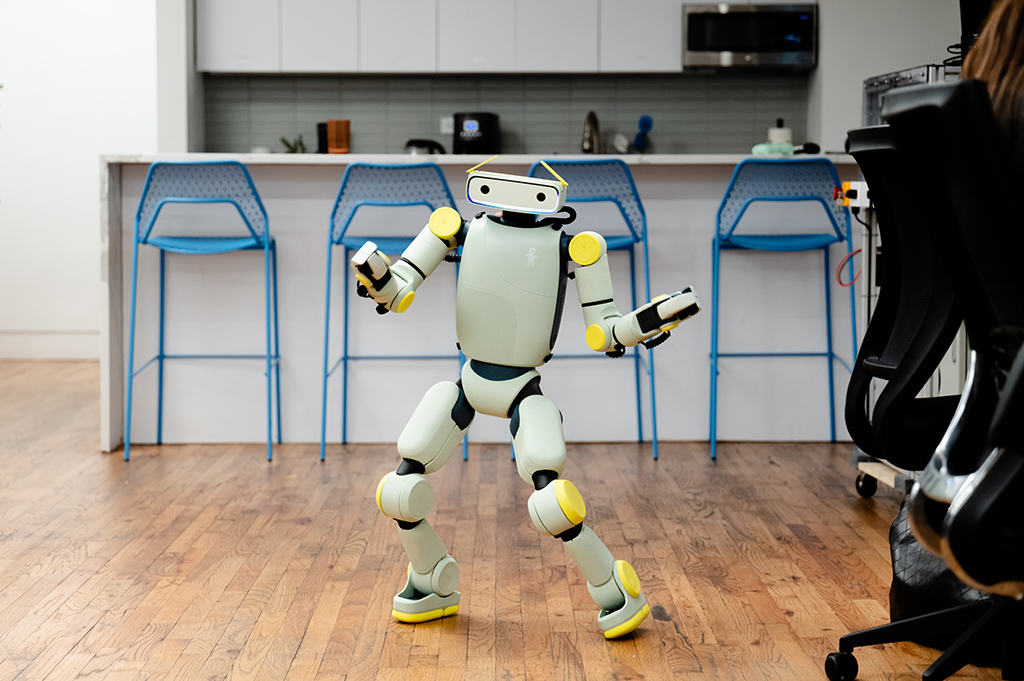
Amazon (NASDAQ:AMZN) acquired the Sprout Robot. Here’s what Amazon might do next.
Summary
Amazon’s acquisition of Fauna Robotics suggests a safety-first, adoption-driven approach to home robots. Unlike capability-focused competitors, Amazon may prioritize a smaller, friendlier robot to enter homes earlier as an entertainment device. The risk is becoming a novelty like Amazon’s Astro robot. Success depends on the robot quickly evolving into a genuinely useful assistant that delivers consistent daily value.
Key Takeaways
- Amazon may be intentionally starting small: A friendly, safe robot could be a wedge into homes before tackling harder chores.
- This is not (yet) a Tesla Optimus or 1X-style bet: It looks more like Astro 2.0 than a full humanoid labor push.
- Execution—not vision—will decide success: If Amazon flips into “Zoox mode,” with heavy, long-term investment in the robot, this could become serious. If not, the robot risks becoming another novelty.
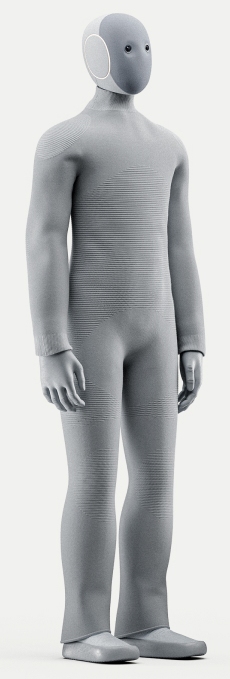
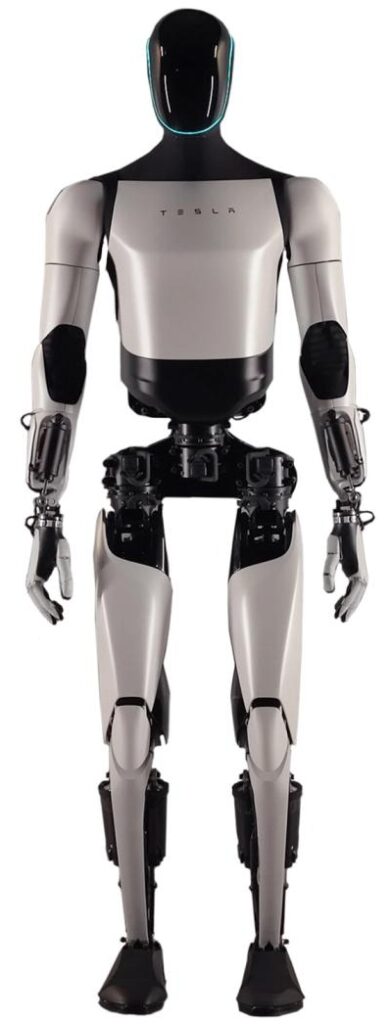
Amazon’s acquisition of Fauna Robotics has raised an obvious question: why pursue a smaller, seemingly less capable robot at a time when the industry is racing toward fully capable humanoids, such as Tesla Optimus and 1X Neo, which seem more capable of basic chores?
At first glance, the move looks underwhelming. Companies like 1X are demonstrating soft body robots that can operate in real environments and tackle increasingly complex tasks in a home. Against that backdrop, Fauna’s design feels constrained—smaller, safer, and more limited in scope.
But that constraint may be the strategy.
Rather than competing directly on capability, Amazon appears to be targeting a different problem: how to get a robot into the home in the first place. However, depending on Amazon’s strategy, this could end up as the next big thing, or, a niche experiment like Amazon Astro, which misses mass adoption.
A Quick Look: The Top 3 Robots That Might Help at Home
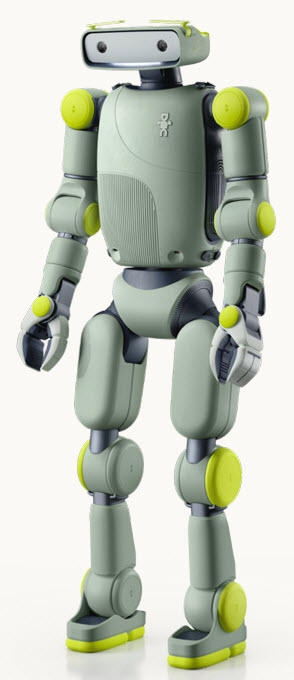
| 1X Neo | Amazon Sprout | Tesla Optimus |
|
|
|
A Different Starting Point
The Fauna robot’s defining characteristics—compact size, soft contact, and lack of “pinch points”—point to a deliberate design philosophy. This is not a machine built to maximize strength or dexterity. It is built to be safe in your home and feel welcome. “Pinch points” refer to areas of a robot, often around the joints, where a human finger can get caught.
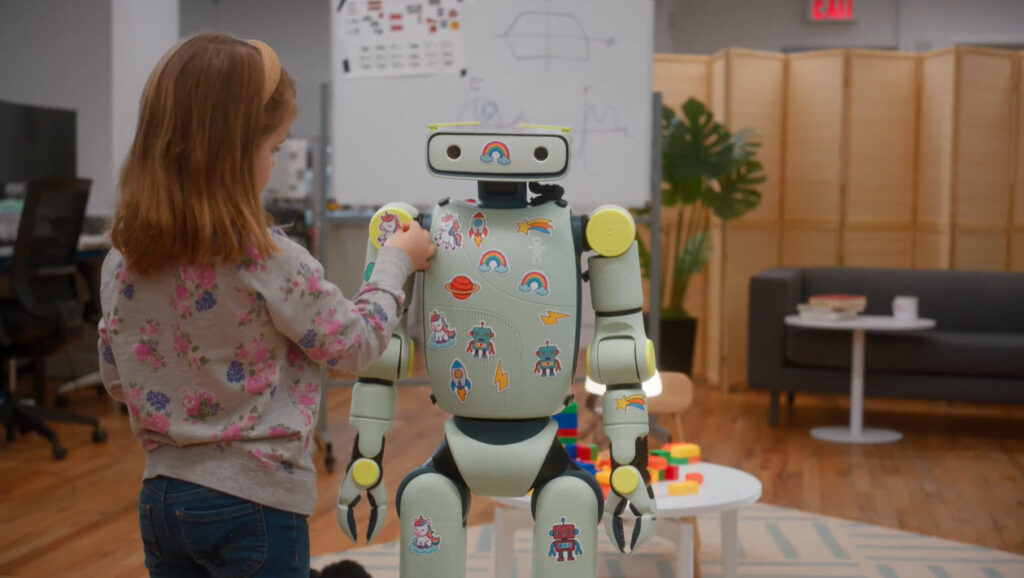
That distinction matters. Homes are unpredictable environments filled with children, pets, and fragile objects. A robot that is even slightly unsafe becomes unusable, regardless of how capable it is. In addition, at 3.5 feet, it’s not towering over most children or adults, like the 1X Neo or Tesla Optimus, which are both 5’6 or taller. Consider that in some countries, the average woman is 5’1, and both 1X and Tesla’s robots would tower over the female homeowner.
By prioritizing safety and approachability, Amazon may be attempting to solve a more fundamental problem than object manipulation: trust.
Competing Visions of Home Robotics
The current robotics landscape is beginning to split into two camps.
On one side are companies like 1X, which are pursuing capability-first designs. Their goal is clear: build robots that can perform real work, even if the task is completed imperfectly, such as putting away cups in a drawer, but not having the cups well-aligned.
On the other side is Amazon’s emerging approach. Instead of solving the hardest problems upfront, it appears to be optimizing for early adoption. The assumption is that a robot that is present in the home, even with limited functionality, can evolve into something more useful over time.
This is a familiar pattern for Amazon. Alexa began as a novelty before becoming a central interface for the smart home. Prime started as a shipping perk before expanding into a broader ecosystem. In both cases, adoption preceded capability.
The question is whether that playbook translates to robotics.
The Risk of the “Toy Trap”
Amazon has already tested this approach once with Astro. The robot was well-designed and technically interesting, but it struggled to justify its presence in the home. It was not solving a problem that users felt daily.
That is the central risk with a smaller, friendlier robot. If it leans too heavily on interaction and entertainment without delivering tangible value, it risks being perceived as a novelty.
The window for that transition—from interesting to essential—needs to be short.
What Would Make Amazon’s Robot Work
For Amazon’s strategy to succeed, the robot does not need to match the capabilities of more advanced humanoids. It needs to do something simpler: reliably reduce small amounts of friction in everyday life.
That could take the form of fetching nearby items, assisting with routines, or helping tidy one room with toys. These are not headline-grabbing capabilities, but they are frequent and meaningful. A robot that saves 15 minutes per day, consistently, can become part of a household’s routine.
The key is constraint. Instead of attempting general-purpose functionality, Amazon will need to define a narrow set of tasks that it can execute reliably in real environments.
A Question of Commitment
The larger question is not about product design, but about execution.
Amazon has demonstrated two distinct modes of operation. In some cases, such as its Zoox autonomous vehicle efforts, Amazon has shown a willingness to invest heavily over long time horizons, even when it looked hopeless at first. In other cases, Amazon has pursued smaller, more exploratory bets that never fully materialize.
So far, this robotics effort appears closer to the latter.
That may change. If Amazon begins to iterate rapidly, hire aggressively, and define a clear use case or two in the home, the trajectory of it’s home robot could shift quickly. Without those signals, however, the effort risks remaining in an experimental phase.
The Amazon AWS Approach
Another potential approach is using the robot as a developer-friendly robot only, and allowing companies to customize it, as part of Amazon’s AWS cloud service. If Amazon takes this approach, it would essentially be a play to expand “utility computing” revenue. For example, customers in the Nuclear science or geology industry could customize the robot for remote operations, in areas where it is dangerous for a human to be. The robot is already being used by Disney and Boston Dynamics, at least in the research phase.
However, if Amazon takes this approach, the company would likely get sidetracked from the home robot mission. A large company like Amazon requires large markets to maintain executive and stakeholder interest, and just like Amazon DeepRacer, the programmable robot toy car on AWS, this robot could also end up going end-of-life.
In practice, that happens when executives feel the ROI is better if the robotics specialists on the team get moved to other projects across Amazon, such as warehouse robotics automation.
The Bottom Line
Amazon’s latest robotics move does not look like a direct attempt to win the humanoid race. It looks like an attempt to solve a different problem: how to make robots acceptable in everyday life.
Whether that is a stepping stone to something larger or a dead end will depend on one thing: The robot must move beyond novelty and become genuinely useful, and it must do so quickly.
If it succeeds, Amazon could establish a foothold in the home before more capable competitors arrive.
Written by Tallwire Staff.