

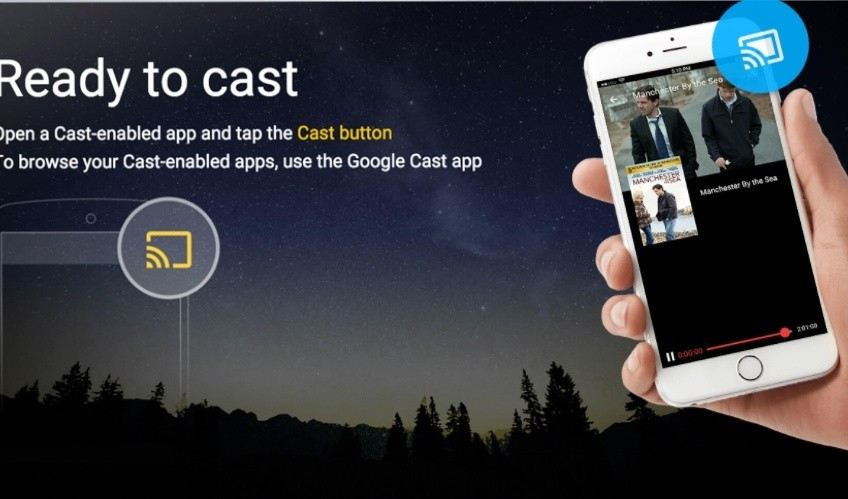
Android users can now Google Cast Apple TV app content to TVs, closing a key gap since the Android Apple TV app launched earlier this year, yet Apple still refuses to bring this feature to iOS; the update arrives at a time when Netflix has also discontinued mobile casting to most smart TVs, influencing the broader streaming ecosystem.
Sources: Apple, 9to5 Google
Key Takeaways
– Apple TV’s Android app now supports Google Cast, so Android users can stream Apple TV content from mobile devices to TVs using Chromecast-enabled hardware.
– This Google Cast feature remains unavailable on Apple’s iOS devices, reinforcing Apple’s siloed ecosystem approach compared with Android interoperability.
– The casting landscape is shifting broadly, with Netflix also pulling back mobile casting support for most TV devices, making built-in apps and native support more critical for users.
In-Depth
In a notable development for streaming consumers, Apple has updated its Apple TV app on Android to include Google Cast support, finally enabling Android users to stream Apple TV content directly to Chromecast and Google Cast-enabled TVs. This marks a significant improvement over the prior state of affairs where the Android Apple TV app lacked basic casting functionality, forcing users to rely on alternative workarounds or compatible devices. The cast icon now appears in the updated app’s interface for Android, signaling broader access to Apple TV+ originals, movies, and shows via familiar casting controls. This update was widely reported on December 15, 2025, and represents Apple’s acknowledgment of the demand among Android users for parity in streaming convenience.
Despite this forward motion on Android, Apple remains steadfast in not bringing Google Cast support to its iOS devices, choosing instead to maintain its proprietary AirPlay protocol for streaming from iPhones and iPads to compatible TVs and devices. This decision underscores Apple’s long-standing strategy of keeping features tightly integrated within its own hardware and software ecosystem rather than embracing cross-platform technologies championed by rivals like Google and Android partners. For users entrenched in Apple’s ecosystem, AirPlay continues to offer robust streaming within Apple’s design framework; but for those seeking broader interoperability, especially with Chromecast and third-party devices, the limitation on iOS remains a sticking point.
The timing of this Apple TV Android casting update is also occurring amid broader industry shifts in casting support. Major streaming services are reassessing how they enable content distribution across devices. Netflix, in particular, has recently removed mobile casting support to most smart TVs and streaming devices, pushing users to navigate Netflix directly through native TV apps rather than casting from mobile phones. This move reflects a pivot toward emphasizing full-featured, platform-specific apps over legacy casting methods, and it has frustrated many consumers accustomed to the simplicity of mobile-to-TV casting.
The combination of Apple’s selective platform support and Netflix’s deprecation of traditional casting highlights a fragmented streaming environment where what works on one device or OS may not translate directly to another. For Android users eager to stream Apple TV content seamlessly to larger screens, the addition of Google Cast is a welcome, pragmatic enhancement. Meanwhile, Apple’s continued prioritization of AirPlay on its own devices and recent casting policy changes from other streaming players signal that consumers must stay adaptable and informed about the ecosystem quirks that influence how and where they can watch their content.
If you want to cast Apple TV+ to a Chromecast or Google Cast-enabled TV from Android, make sure your Apple TV app is updated and look for the cast icon within the app’s playback interface. On the flip side, iOS users will still need to rely on AirPlay or native app support on the TV or streaming box itself, which remains Apple’s preferred method for cross-device streaming. As the streaming industry continues to evolve, interoperability and device support will remain central issues for consumers navigating multiple platforms and devices.