

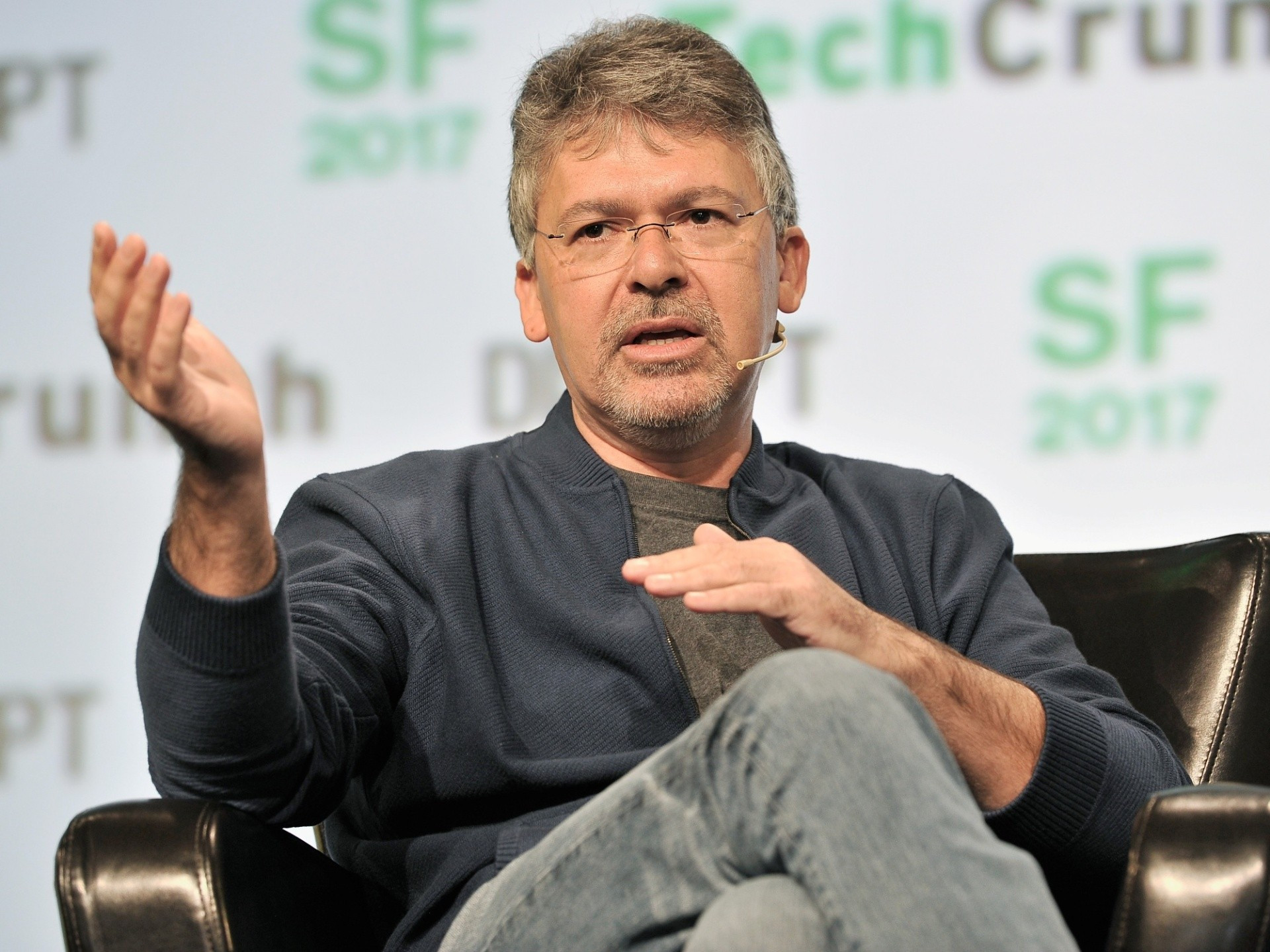
Apple announced that John Giannandrea, its senior vice president for machine learning and AI strategy, will step down and retire in spring 2026 after serving nearly eight years. He’ll shift into an advisory role while veteran AI researcher Amar Subramanya — formerly of Microsoft and Google — takes over as Vice President of AI. The leadership change comes amid mounting pressure on Apple to catch up to competitors in delivering generative-AI features, particularly upgrades to Siri, which have been repeatedly delayed.
Sources: Apple, Fast Company
Key Takeaways
– Giannandrea’s departure reflects internal recognition at Apple that the company lagged behind rivals in deploying generative AI features, especially for its flagship voice assistant.
– Bringing in Amar Subramanya — with deep experience at Microsoft and Google — signals a renewed sense of urgency and repositioning of Apple’s AI strategy around stronger research chops and faster delivery.
– The reshuffle consolidates AI, machine-learning, and software teams under a revamped leadership structure, suggesting Apple is aligning its resources for more aggressive competition in the AI space.
In-Depth
The exit of John Giannandrea as Apple’s AI chief marks a pivotal moment for the tech giant — one that underscores how expectations for generative AI have changed, and how deeply Apple feels it’s fallen behind. Hired in 2018 to spearhead machine learning and artificial intelligence efforts, Giannandrea was viewed as the linchpin for Apple’s hopes to integrate cutting-edge AI into iPhones, Siri, and the broader Apple ecosystem. Over his tenure, his team built a world-class organization responsible for Apple’s foundational AI models, machine-learning research, and infrastructure supporting Apple services.
But despite those efforts, critics argue, Apple has failed to deliver visible, transformative AI results. The company’s much-anticipated “next-gen Siri” and broader AI enhancements remained largely elusive, even after the launch of Apple Intelligence in 2024. Delays, internal misgivings over privacy and architecture, and shifting company priorities reportedly bogged down progress. And with nimble competitors rapidly rolling out AI-powered features in apps and devices, the gap became increasingly obvious.
In its announcement, Apple described Giannandrea’s retirement as part of a broader reorganization. While he’ll remain an adviser through spring 2026, many of his responsibilities — including oversight of AI teams — will be reallocated to other leaders, streamlining efforts under the firm’s software and services chiefs. Most notably, Apple tapped Amar Subramanya to succeed him. Subramanya joins with a proven track record: years at Google and Microsoft, and critical involvement in building the Gemini assistant. His appointment signals that Apple wants a more research-heavy, execution-oriented approach going forward, leveraging his expertise to finally deliver on delayed AI promises.
This shake-up comes at a moment when AI is no longer optional but critical for staying competitive. For Apple, success now likely depends on reconciling two long-standing strengths: its tightly integrated hardware-software ecosystem, and the need to deploy powerful, user-facing AI capabilities in a timely, privacy-conscious manner. Whether Subramanya can deliver where Giannandrea couldn’t — and help Apple reclaim credibility in the AI race — remains a central question for 2026 and beyond.