

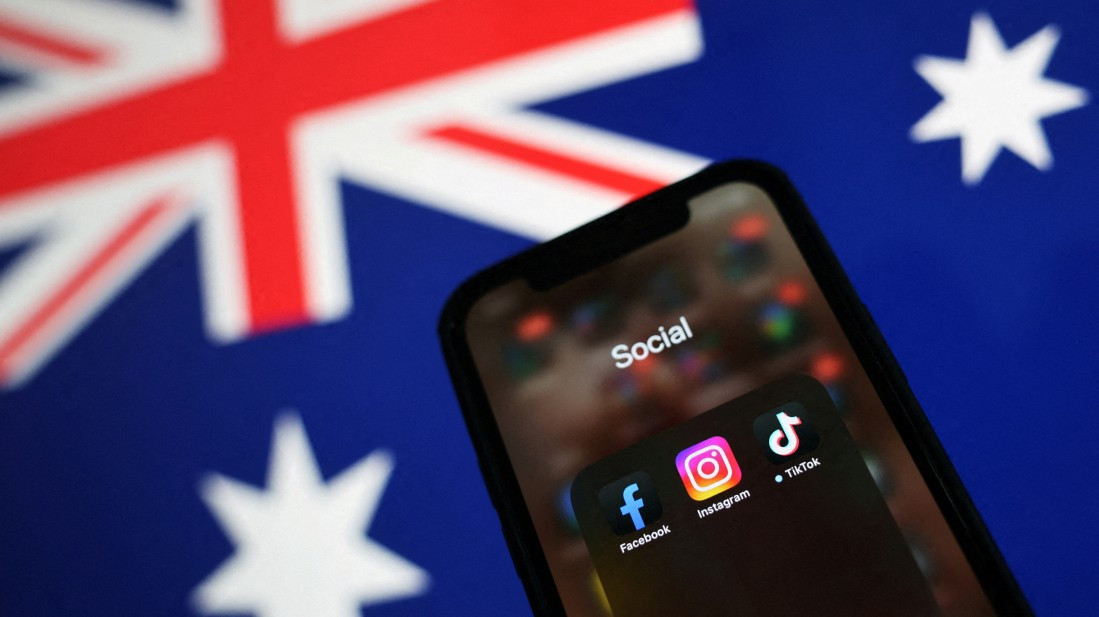
Australia’s Albanese government is rolling out a national advertising blitz — reportedly costing A$14 million — to promote the upcoming ban on social media access for under-16s, scheduled to begin December 10, 2025. The campaign, named “For The Good Of,” will appear on TV, billboards, radio, and digital media to educate parents, children, and tech companies about the new rules. The law, passed in November 2024, raises the minimum age for social media accounts from 13 to 16, and imposes penalties on platforms that fail to restrict underage access. Tech firms like YouTube, Meta, and TikTok have pushed back — labeling enforcement “extremely difficult” and warning of privacy risks — while the government is urging platforms to comply using “reasonable steps” rather than broad age re-verification.
Sources: Reuters, The Guardian
Key Takeaways
– The Australian government is heavily investing in public messaging to gain acceptance of its novel under-16 social media ban as it nears implementation.
– Tech companies warn the ban may be infeasible or invasive, particularly around age verification and enforcing compliance at scale.
– The government is pushing for a balance: strong regulation of platforms without requiring broad re-verification of all users, relying instead on existing data and “reasonable steps.”
In-Depth
Late 2025 is shaping up as a turning point in how democracies may regulate adolescent access to digital networks — Australia intends to become the global test case. The Albanese government’s freshly launched “For The Good Of” campaign marks a full-throated push to sell its under-16 social media ban to a public that has long accepted early teen access as normal. The marketing push arrives just weeks before the ban takes effect on December 10, 2025, and comes as both parents and platforms scramble to adapt.
The genesis of the ban lies in legislative changes passed in November 2024, which amend Australia’s Online Safety Act. Under the new rules, major social media platforms — including Instagram, Facebook, TikTok, Snapchat, X, and YouTube — must refuse or disable accounts belonging to users under the age of 16. Platforms found noncompliant could face fines up to around AUD 50 million. The government frames the ban as a mental health and child protection measure, citing risks like cyberbullying, misinformation, and harmful body image content targeting younger teens.
But the backlash from industry has been swift. Google (which owns YouTube) has called mandatory enforcement “extremely difficult,” cautioning that age verification at massive scale could have unintended consequences. Platforms contest how they’ll be held accountable and whether privacy rights will be breached by verifying identity. Some argue the government’s campaign is necessary to build public legitimacy given those tensions.
The ad campaign itself is carefully engineered: it’s not just telling kids they’ll lose access, but nudging parents to start conversations about online risks before the ban lands. The government even plans to show the ads on social media while the ban is not yet in force — an ironic twist, but one that underscores the urgency the government sees in educating the public now. Behind the scenes, regulators are advising platforms not to re-verify all users broadly — instead urging “reasonable steps” to detect underage users using data and algorithms already in place.
From a political viewpoint, this is a bold use of state power to reshape norms around adolescence and digital exposure. The government is betting that framing the ban as proactive rather than punitive will soften resistance. But real tests lie ahead: Can tech firms comply in time? Will age crackdown erode user privacy? And most importantly, will the ban actually reduce harm, or drive youth behaviors underground? Other nations will surely watch closely — for better or worse — as Australia embarks on this social experiment.