

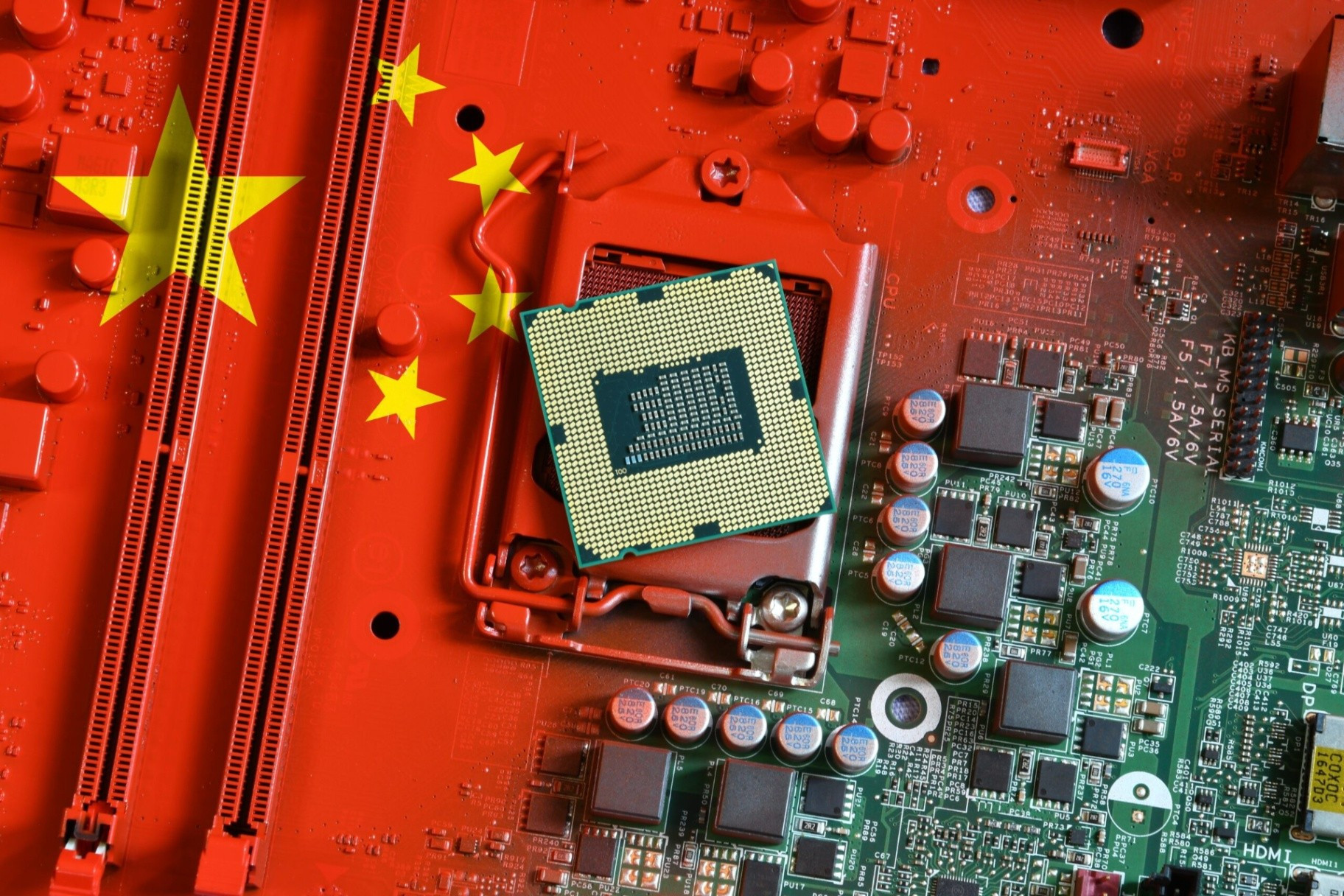
Chinese memory-chip producers are rapidly expanding capacity to address a severe global shortage of dynamic RAM and other memory products as surging demand from artificial-intelligence infrastructure exhausts supply, prompting some U.S. and global PC makers to consider sourcing chips from China for the first time and threatening higher prices and potential supply disruptions for consumer electronics. Semiconductor manufacturers in China plan to bring new facilities online to help alleviate the crunch, while major technology companies including HP, Dell, Acer and Asus explore Chinese memory suppliers amid tight inventories and rising costs, even as memory usage by AI data centers surges and supply constraints are forecast to persist through at least 2026 and possibly into 2027. Reports also show that the shortage is cutting across global markets, with key players like Qualcomm forecasting financial impacts from limited memory supplies, and broader industry analyses warning that reallocations toward high-end AI memory products are worsening shortages for conventional devices. This evolving supply chain dynamic underscores how the intersection of AI demand, geopolitical export controls, and shifting production strategies is reshaping the global semiconductor landscape in ways that could elevate prices on consumer hardware and accelerate China’s role in memory-chip manufacturing.
Sources
https://www.semafor.com/article/02/09/2026/chinese-firms-race-to-ease-global-memory-chip-shortage
https://www.reuters.com/world/china/hp-dell-acer-asus-mull-using-chinese-memory-chips-amid-supply-crunch-nikkei-asia-2026-02-05/
https://www.reuters.com/world/china/qualcomm-forecasts-quarterly-results-below-estimates-memory-shortage-dampens-2026-02-04/
Key Takeaways
- Chinese memory-chip makers are boosting production and planning new facilities to help ease a severe global shortage exacerbated by booming demand from AI infrastructure.
- Major PC manufacturers are considering sourcing memory chips from Chinese suppliers for the first time due to tight supply and rising costs in traditional markets.
- Global supply constraints are influencing industry financials, with companies like Qualcomm forecasting revenue impacts and shortages expected to persist through at least 2026.
In-Depth
The global memory-chip shortage that has shaken the tech industry continues to widen, pushing Chinese firms to step up and expand production capacity as demand outpaces supply. Manufacturers in China are accelerating plans to bring new memory-chip facilities online, largely driven by the exponential growth of artificial-intelligence systems that require vast amounts of dynamic random-access memory (DRAM) and high-bandwidth memory (HBM). This surge in demand from hyperscale data centers has pulled production focus toward high-end memory products, leaving a tightening supply of conventional chips that power many consumer devices, including laptops, smartphones and gaming consoles. Chinese expansion efforts aim to mitigate some of these shortages, although they exist within a broader context of shifting supply chains and geopolitical tensions.
Reports indicate that traditional memory suppliers globally, including Samsung, SK Hynix and Micron, have shifted significant production capacity toward memory tailored for AI workloads at the expense of more general-purpose chips. This realignment has contributed to rising prices and constrained inventories, as manufacturers allocate wafers and cleanroom space to the most profitable product lines. Analysts warn that this supply squeeze will persist through 2026 and possibly into 2027, underscoring a structural imbalance between demand and supply in the DRAM and NAND markets.
Reflecting these pressures, major PC makers such as HP, Dell, Acer and Asus are considering using memory from Chinese suppliers for the first time to secure inventory and hedge against further shortages and price hikes. These moves suggest not only tactical responses to immediate supply issues but also potential longer-term shifts in global supply chains toward greater diversification of sources, including Chinese manufacturers.
The shortage is also beginning to show up in financial forecasts and corporate performance. Chip designer Qualcomm has signaled that limited memory supplies have negatively affected its revenue outlook, highlighting how pervasive the shortage has become across different segments of the electronics industry. The cumulative impacts extend beyond cost and availability; they could shape competitive dynamics among suppliers, influence production planning, and accelerate efforts by nations and companies to build more resilient or self-sufficient semiconductor ecosystems. In this environment, China’s ramp-up efforts position its memory-chip sector as a potential counterbalance to traditional suppliers, although technological and geopolitical hurdles remain. Overall, the memory-chip shortage of 2025-2026 reflects a convergence of rapidly increasing AI demand, constrained production capacity for conventional memory products, and evolving strategic considerations among global tech firms and suppliers.