

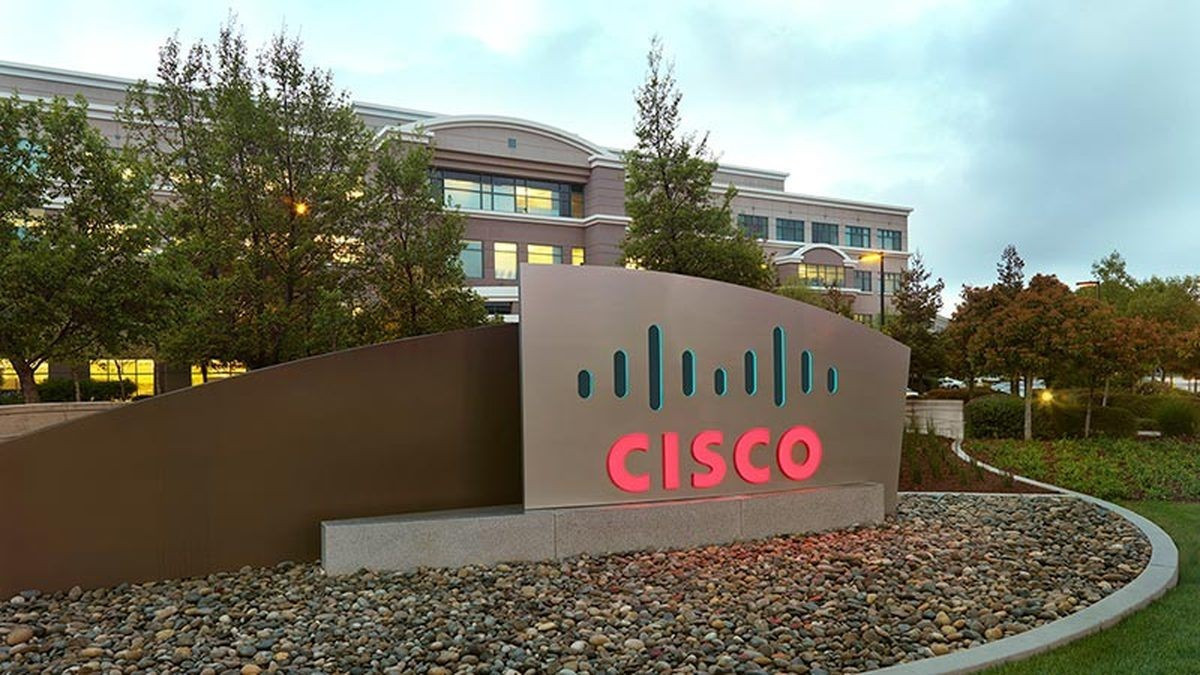
Networking giant Cisco has acquired the Y Combinator-backed startup EzDubs, which offers real-time, voice-preserving translation services across 30+ languages, and plans to integrate the technology into its Cisco Collaboration and Webex offerings. The terms of the deal were not disclosed. Founded by Padmanabhan Krishnamurthy, Amrutavarsh Kinagi and former Cisco engineer Kareem Nassar in 2023, EzDubs raised approximately $4.2 million in seed funding. As part of the transition, EzDubs will sunset its consumer apps by December 15 and fold its team into Cisco’s Collaboration group, positioning Cisco to bolster enterprise communication across languages and reinforce its AI-driven collaboration roadmap.
Sources: Yahoo Finance, TechinAsia
Key Takeaways
– The acquisition underscores that enterprise communication tools—especially those incorporating AI and real-time translation—are becoming a strategic battleground, with consumer-facing translation apps losing favor relative to embedded enterprise solutions.
– EzDubs’ voice-preserving translation tech (retaining speaker tone, inflection, emotion) differentiates it versus more traditional text-oriented or synthetic-voice translation tools, giving Cisco a competitive edge in global collaboration.
– By folding the startup into its Collaboration unit and shutting down EzDubs’ standalone consumer apps, Cisco signals a pivot from supporting standalone consumer innovation to integrating high-end AI features into its existing enterprise ecosystems.
In-Depth
In today’s globalized business environment, language barriers in collaboration continue to hamper efficiency, especially for multinational teams working across continents, time zones and cultures. The acquisition of EzDubs by Cisco is an important move in this context—one that reflects a conservative tech strategy focused on strengthening enterprise capabilities while streamlining consumer-facing offerings.
EzDubs built its reputation around a novel translation platform: instead of producing dry, robotic translated audio, it preserved the speaker’s voice, tone, emotional cues and natural delivery in real time. According to the publicly available accounts, the service supported more than 30 languages and enabled live translation during calls and video content—a strong technological base for Cisco’s Communication business. By acquiring this capability, Cisco is effectively outsourcing a key innovation that might have taken years of internal R&D. In turn, Cisco can integrate this feature into its Webex and other collaboration platforms and pitch it to large enterprises seeking seamless global team communications.
A notable detail is that EzDubs’ founders include a former Cisco employee (Kareem Nassar) who worked in Cisco’s Speech AI group. That prior connection likely facilitated the acquisition and integration process. With seed funding of about $4.2 million, EzDubs was relatively small but agile; Cisco now steps in to scale the technology to enterprise-grade levels (security, reliability, global support) which are essential for large organizations.
The shutting down of EzDubs’ consumer apps is also telling: it signals that consumer markets may no longer be the most attractive route for real-time translation services. Instead, corporate demand is driving the market. As one source notes, the global translation-services market is estimated at roughly $40 billion—with enterprise demand driving the lion’s share of that value. By redirecting EzDubs’ resources toward enterprise integration, Cisco is aligning with what appears to be the larger revenue opportunity.
From a strategic standpoint, this move addresses a few key competitive imperatives for Cisco. First, it helps the company stay relevant in the AI-driven collaboration space where rivals (like Microsoft, Google) have been embedding translation, transcription and AI-enabled meeting features into their platforms. Without this type of acquisition, Cisco’s Webex offering could lag behind in global real-time collaboration capabilities. Second, the acquisition enables Cisco to offer a “language-agnostic” collaboration experience—an increasingly important selling point for global firms with multilingual teams and remote workforces. Third, by integrating the translation capability into its existing product suite and partner ecosystem, Cisco can upsell and deepen customer lock-in (i.e., language translation becomes a native part of the ecosystem rather than an add-on).
From a conservative perspective, the acquisition signals cautious but deliberate consolidation in the translation/AI space. Rather than chasing consumer markets rife with fragmentation, Cisco is placing its bets on established enterprise workflows, where its brand, infrastructure, security certifications and global support already play. For investors and corporate decision-makers, the move may represent a safer path: embedding proven translation tech into a trusted enterprise collaboration platform rather than launching a fresh consumer app with unpredictable uptake.
Nevertheless, execution remains critical. Integrating a startup’s tech into a large enterprise ecosystem poses cultural, technical and product-management risks. Cisco will need to maintain the voice-preserving quality and real-time responsiveness that made EzDubs unique, while scaling it to enterprise volumes, ensuring multilingual accuracy, latency, privacy and compliance with corporate and regional regulations. If Cisco succeeds, global meeting rooms, video calls and messaging threads may capture not just words but context, tone and meaning—across languages. If not, the tech could become just another translation add-on without the “natural voice” differentiation that made EzDubs special.
In sum, Cisco’s acquisition of EzDubs is a strategic acquisition aimed at reinforcing its position in global enterprise collaboration by offering differentiated AI-powered translation. It reflects the convergence of AI, voice interface evolution and global workforce realities, while simultaneously illustrating a broader trend: enterprise-first innovation, rather than consumer-facing experimentation, is perhaps where sustainable value lies. For businesses, especially those with international operations or multilingual teams, the acquisition may herald a new era where language is less a barrier and more a built-in capability of collaboration tools.