

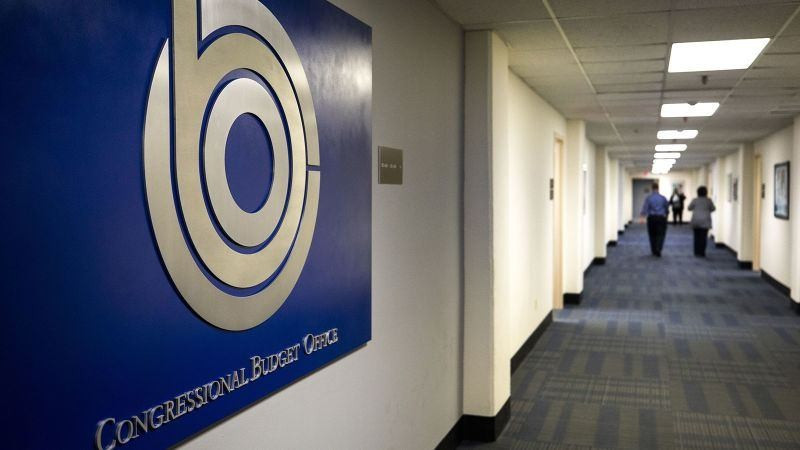
The non-partisan U.S. legislative budget watchdog, the Congressional Budget Office (CBO), has confirmed that it suffered a cybersecurity breach and is now actively investigating the incident while rolling out enhanced monitoring and security controls. The agency disclosed that it “identified the security incident, has taken immediate action to contain it, and has implemented additional monitoring and new security controls.” Confirming the story first reported by The Washington Post and other outlets, congressional officials say the breach may have involved a foreign actor and may have exposed internal emails or chat logs between CBO analysts and congressional offices — raising concerns over adversarial access to sensitive fiscal-policy data.
Sources: Reuters, Washington Post
Key Takeaways
– The CBO’s confirmation of the breach underscores how even less-publicized federal bodies with sensitive data remain prime targets for foreign-sponsored cyber intrusion.
– The potential exposure of communications between the CBO and congressional offices heightens risk of adversarial insight into legislative budgeting and policy-making processes.
– Rapid deployment of new monitoring and security controls at the CBO illustrates growing recognition that federal cybersecurity defenses must keep pace, but also highlights challenges given current staffing and resource constraints.
In-Depth
In what officials describe as a serious intrusion, the Congressional Budget Office (CBO) has acknowledged that one of its systems was compromised, reinforcing the reality that U.S. governance-related agencies face persistent and evolving cyber threats. The CBO, a cornerstone of congressional fiscal oversight, provides critical cost estimates and budgetary analyses across legislation in both the House and Senate. When that analytical engine is compromised, the impact isn’t simply a matter of data theft — it’s an intelligence coup against the legislative process itself. According to the agency’s spokesperson, Caitlin Emma, the CBO “identified the security incident, has taken immediate action to contain it, and has implemented additional monitoring and new security controls going forward.” That admission comes after media reporting that unnamed foreign actors may have accessed internal emails, chat logs, and communications between the CBO and congressional offices.
Congressional staff were reportedly warned via the Senate Sergeant at Arms of the possibility that email communications between CBO and Senate offices may have been compromised and could be used to craft highly targeted phishing campaigns. (Reuters) Such a scenario raises broad concerns: first, that adversaries may gain early insight into upcoming legislation, preparing counters or influencing public sentiment; and second, that the sheer integrity of budgeting and legislative deliberation is at risk when unclassified data pipelines are infiltrated. The fact that the CBO did not confirm attribution to a foreign actor — although reliable reporting suggests a suspected foreign entity — doesn’t reduce the seriousness of the breach.he backdrop of the ongoing federal government shutdown, which has strained staffing and cyber-defense readiness across many federal agencies. Observers note that the posture of agencies like the CBO may have been weakened by operational disruptions, delayed updates and reduced workforce availability. Some analysts point to potentially unpatched firewalls or outdated infrastructure as avenues of compromise, though the CBO declined to comment on specific vulnerabilities.
This incident signals a departure from the traditional notion of hacking being limited to defense or intelligence agencies. Instead, it shows that agencies providing policy support, economic modelling and legislative intelligence are now front-line targets. As budget debates become increasingly consequential — from defense spending to social program reform and debt financing — the value of the data held by the CBO for a foreign actor cannot be understated. For lawmakers, policymakers and cybersecurity officials alike, the breach should act as a wake-up call: safeguarding the nation’s fiscal policy engine requires more than perfunctory protection; it demands continuous vigilance, robust infrastructure upgrades and coordinated responses across all branches of government.