

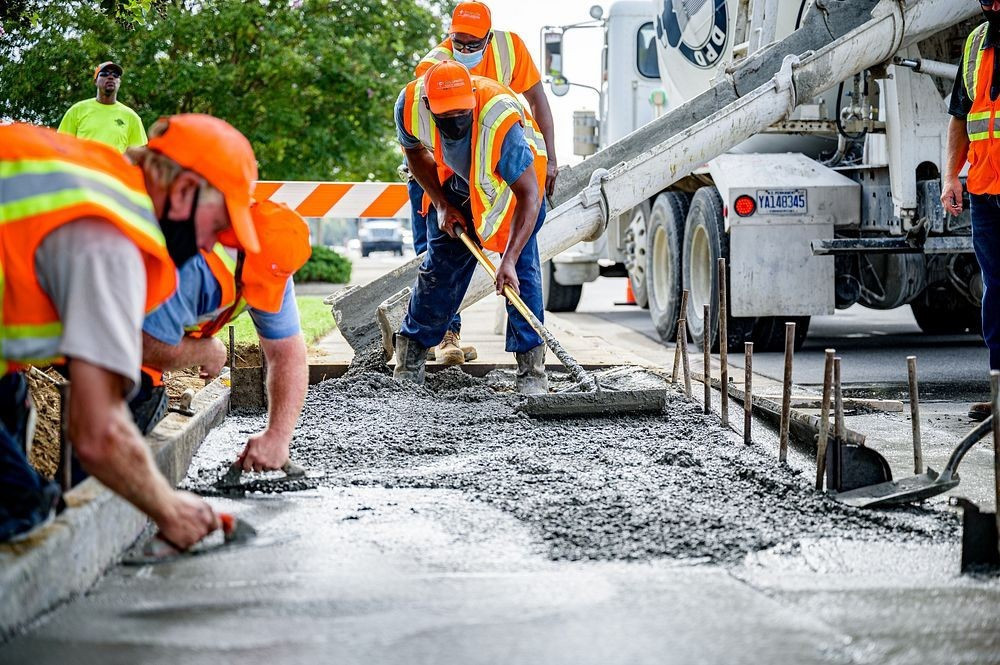
The AI surge is doing more than fueling software jobs — it’s sparking a gold-rush for construction workers building the massive data centers behind it. According to recent reports, tradespeople shifting into data-center construction are seeing pay increases of 25 to 30 percent over their previous jobs. Some are now earning six-figure salaries: one former drywall business owner now supervises 200 workers with earnings above $100,000 annually; others — like electricians and safety specialists — are reportedly making well over $200,000. On top of higher pay, companies are offering per-diem bonuses, perks like heated break tents, free lunches, and even remote project-management roles to lure scarce, skilled labor amidst an industry-wide shortfall of approximately 439,000 qualified workers.
Sources: Wall Street Journal, TechBuzz
Key Takeaways
– Data-center construction tied to the AI boom is pushing blue-collar wages sharply upward, with many making 25–30 % more than in traditional construction roles.
– Some workers are now pulling in over $200,000 annually — a rarity in conventional construction — as demand skyrockets for skilled electricians, supervisors, and safety specialists.
– To attract and retain talent in a tight labor market, companies are offering robust incentives: daily bonuses, improved worksite amenities, and even remote or supervisory positions.
In-Depth
When we think of the AI boom, visions of coders, data scientists, and sleek server racks usually come to mind — but there’s a quieter, yet just as significant success story unfolding on construction sites across America. As major tech firms race to build new data centers required for powerful AI models, the backbone of that infrastructure — the physical buildings, wiring, cooling systems, backup power, and structural integrity — demands skilled labor. And those workers are cashing in.
Recent reporting highlights a sharp surge in demand for experienced tradespeople. According to accounts from workers like DeMond Chambliss — who transitioned from running a small drywall business in Ohio to overseeing 200 workers on a data-center project — construction jobs tied to AI are yielding major financial returns. Chambliss now earns over $100,000 a year, a substantial step up from his previous income. Meanwhile, other workers such as electrical safety specialists and electricians supervising multiple sites are known to earn over $200,000 annually.
This pay bump isn’t coming alone. To attract from a smaller and shrinking talent pool of qualified workers — estimated to be short by some 439,000 people — firms are packaging a swath of incentives. Workers may receive daily bonuses (sometimes as high as $100), amenities like heated break tents and free meals, and even flexibility with remote or supervisory roles. Such incentives reflect how competitive the hiring landscape has become for data-center–related construction.
Beyond wage gains, this shift reflects a broader revaluation of blue-collar labor. In many parts of the country, traditional construction and trade jobs have suffered from declining pay and shrinking demand, as automation and offshoring eroded older industrial bases. Yet here, in the AI infrastructure surge, skilled tradespeople are seeing their labor finally rewarded in a way that fairly reflects the vital role they play in supporting next-gen technology.
This boom is rewriting the script on what it means to be a “blue-collar” worker in 2025. It’s not just hammering steel or pouring concrete — it’s building the digital backbone that will power everything from machine learning to cloud computing, making these workers key players in the AI economy. And for many, this is an unexpected shot at financial security and career stability.
Given how rapidly demand is growing and how acute the labor shortage is, this trend likely isn’t a temporary spike. As long as tech companies continue to expand AI infrastructure, skilled labor — especially trades experienced with high-voltage electrical systems, advanced cooling, and mission-critical facility standards — will remain in high demand. For workers willing to adapt and retrain, this could mean a sustained opportunity to earn more than many jobs considered “tech.”
For policymakers and workforce planners, this also underscores a critical shift: the AI boom isn’t just about software or white-collar workers — it depends heavily on blue-collar labor. Efforts to support training, certifications, and recruitment in the trades could help ensure that the infrastructure build-out keeps pace, while offering real pathways to well-paying, stable careers for many Americans.