

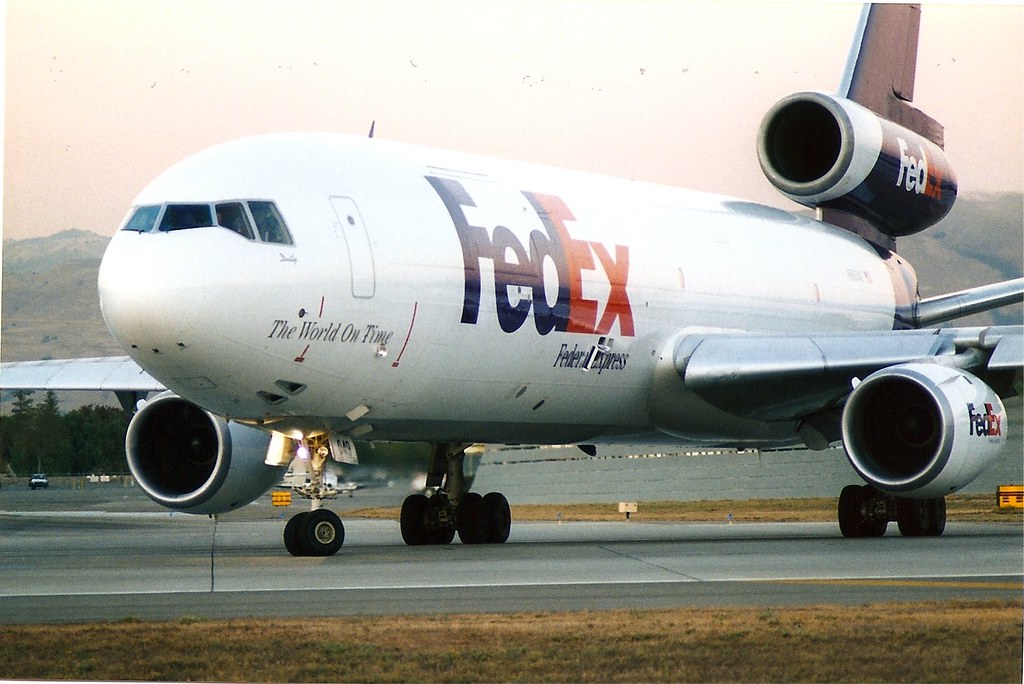
FedEx is pivoting away from building proprietary automation technology and instead leaning into partnerships with third-party robotics and logistics tech firms, signaling a pragmatic shift toward efficiency and cost control in a highly competitive global shipping market. Rather than attempting to out-innovate specialized tech companies, the firm is choosing to integrate best-in-class external solutions into its operations, accelerating deployment timelines and reducing capital risk. This strategy reflects broader pressures facing legacy logistics providers as they contend with rising labor costs, supply chain volatility, and the rapid advancement of automation technologies driven by more nimble players. By prioritizing flexibility over ownership, FedEx appears to be positioning itself to scale automation more quickly while avoiding the pitfalls of costly internal development cycles that may lag behind industry innovation.
Sources
https://techcrunch.com/2026/03/31/fedex-chooses-partnerships-over-proprietary-tech-for-its-automation-strategy/
https://www.reuters.com/business/fedex-focuses-partnerships-automation-strategy-2026-03-31/
https://www.wsj.com/business/logistics/fedex-automation-strategy-partnerships-shift-2026-03-31
Key Takeaways
- FedEx is shifting away from developing its own automation technology and instead partnering with specialized third-party firms.
- The move is designed to cut costs, speed up deployment, and stay competitive in a rapidly evolving logistics sector.
- This reflects a broader industry trend where legacy companies rely on external innovation rather than internal R&D to keep pace.
In-Depth
FedEx’s decision to prioritize partnerships over proprietary automation development marks a notable recalibration of its long-term operational strategy. For years, large logistics firms operated under the assumption that owning their technology stack provided a competitive edge. But in today’s environment, that assumption is increasingly being challenged by the speed and specialization of external innovators. Robotics firms, AI developers, and warehouse automation companies are advancing at a pace that traditional logistics organizations struggle to match internally.
By outsourcing innovation to partners, FedEx is effectively buying speed. Instead of committing years and significant capital to build internal systems that risk becoming outdated before deployment, the company can integrate proven solutions already tested in the marketplace. This reduces both financial exposure and operational risk, particularly at a time when margins are under pressure from fluctuating demand and labor costs.
There is also a strategic discipline at play here. Rather than trying to be a technology company and a logistics company simultaneously, FedEx appears to be refocusing on its core competency: moving goods efficiently at scale. That kind of focus tends to resonate with investors who favor predictable execution over ambitious but uncertain R&D bets.
At the same time, this approach is not without trade-offs. Relying on partners can limit control over proprietary capabilities and create dependencies that may prove costly if key vendors gain leverage. Still, in the current competitive landscape, the benefits of agility and speed appear to outweigh the risks. FedEx’s shift suggests a recognition that winning in logistics today is less about owning every tool and more about deploying the best ones available, wherever they come from.