

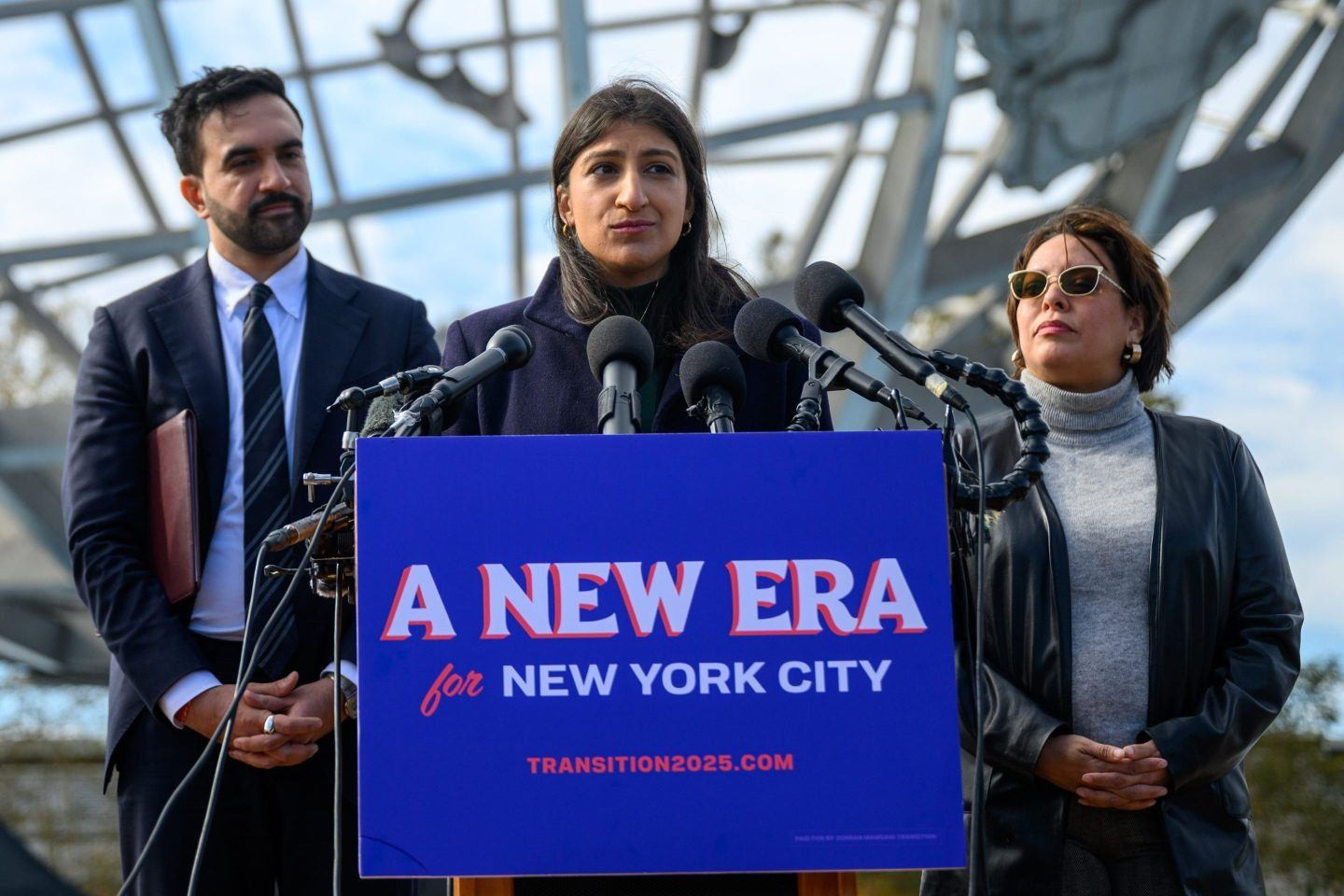
Former Federal Trade Commission chair Lina Khan has been appointed as one of four co-chairs of Mayor-elect Zohran Mamdani’s transition team in New York City, marking a clear statement of economic and regulatory intent from the incoming administration. According to TechCrunch, Khan’s inclusion signals a broader push into antitrust and corporate oversight, aligning with Mamdani’s campaign critique of “outsized corporate power.” Business Insider reports that Khan described Mamdani’s victory as a rebuke to the dominance of business interests and that her role will focus on economic policy and personnel. Politico further notes that Mamdani’s transition team is composed of experienced female leaders from previous city administrations, and Khan’s appointment reinforces the incoming mayor’s intent to pair progressive vision with governance experience.
Sources: Business Insider, Politico
Key Takeaways
– Lina Khan’s appointment to the transition team signals Mamdani’s commitment to more aggressive economic oversight and regulatory reform.
– The selection of a high-profile antitrust advocate alongside other veteran administrators suggests a blend of bold policy vision and practical governance.
– The move may create friction with major business interests in New York and beyond, given Khan’s prior antagonistic stance toward large tech and corporate power.
In-Depth
The political landscape of New York City is shifting, and the appointment of Lina Khan as co-chair of Mayor-elect Zohran Mamdani’s transition team underscores that change. Khan, a well-known figure from her time as chair of the Federal Trade Commission, brings to the table a reputation for challenging large tech companies and corporate consolidation. Her ascendancy into the transition leadership marks a signal: the incoming administration is prepared to take on big business in the name of economic justice and consumer fairness.
Khan’s past tenure at the FTC saw her pursue aggressive antitrust enforcement, drawing criticism from tech giants and Wall Street players alike. Her new role in the transition team isn’t just symbolic—it carries real implications for the direction of economic policy in the city. With responsibility for economic strategy and personnel decisions, Khan is poised to play a central role in shaping the administration’s agenda. For a mayor-elect whose campaign hinged on dismantling entrenched economic power, her presence in the team is both strategic and ideological.
Yet, the inclusion of Khan alongside seasoned administrators such as Grace Bonilla (United Way NYC), Maria Torres-Springer (former First Deputy Mayor), and Melanie Hartzog (budget veteran) suggests a measured approach. While Mamdani’s rhetoric appealed to progressive populists and anti-corporate sentiments, the transition team signals a readiness to govern, not merely campaign. These appointees bring institutional knowledge and managerial depth—essential qualities for steering a city as complex as New York.
Still, the business community may view the combination of Khan’s regulatory zeal and the mayor-elect’s radical campaign promises with caution. The very narrative of “rejecting” corporate power resonates with voters who feel left behind, but it also risks creating adversarial relationships with investment and commerce that underpin the city’s economy. If the administration moves quickly into regulatory overdrive, companies may rethink how they engage with the city, potentially causing unintended consequences for employment, innovation, and growth.
At the end of the day, the Khan appointment and the transition team’s makeup raise a crucial question: Can the new administration balance the zeal of reform with the pragmatism needed to keep New York competitive and economically vibrant? Given the stakes—budgetary demands, infrastructure needs, municipal services—the answer will play a defining role in Mamdani’s early months in office. The choice of Khan sets a tone of assertiveness. Now the challenge will be to convert that tone into policies that deliver results, not just rhetoric, for all New Yorkers.