

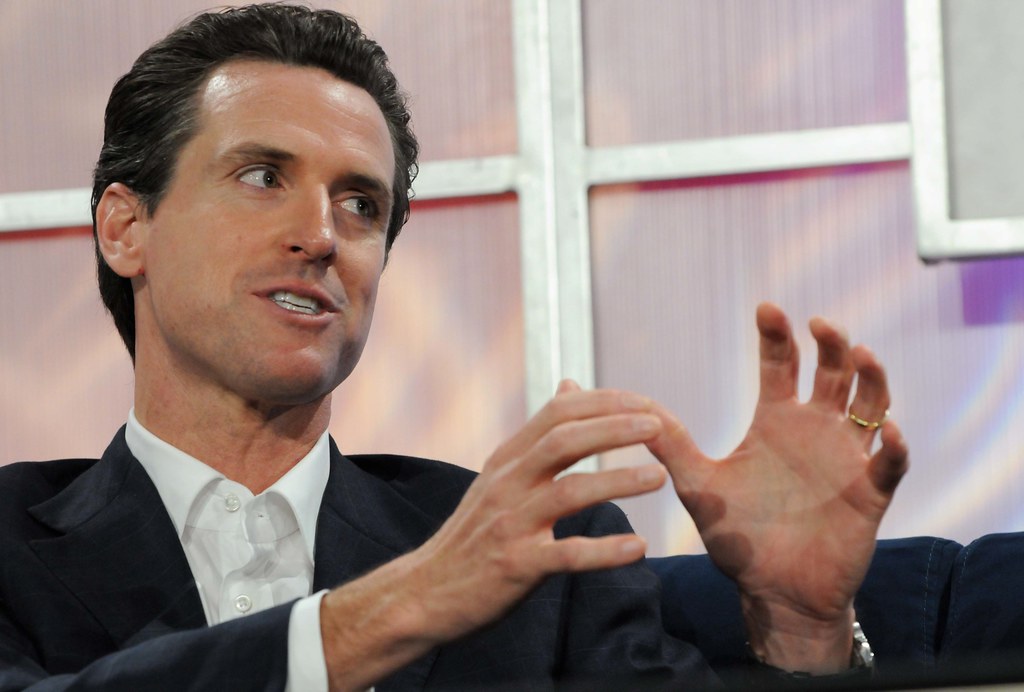
California Gov. Gavin Newsom has signed a new executive order requiring artificial intelligence companies operating in the state to implement safeguards aimed at preventing misuse, signaling an aggressive expansion of government oversight into the rapidly evolving AI sector; the directive pushes firms to adopt risk mitigation strategies, increase transparency, and coordinate with state agencies to address threats ranging from disinformation to security vulnerabilities, reflecting mounting concern among policymakers that the private sector has moved faster than regulatory frameworks can keep up, while critics argue the move could impose burdensome compliance costs and open the door to broader state intervention in innovation-driven industries.
Sources
https://www.theepochtimes.com/tech/newsom-signs-order-requiring-ai-companies-to-prevent-misuse-6006040
https://www.reuters.com/technology/california-governor-newsom-ai-regulation-order-2026-03-31/
https://www.wsj.com/tech/ai/california-ai-executive-order-newsom-2026-03-31
Key Takeaways
- California is positioning itself as a national leader in AI regulation, requiring companies to actively prevent misuse rather than react after harm occurs.
- The order reflects growing concern over risks such as misinformation, cybersecurity threats, and societal disruption tied to advanced AI systems.
- Critics warn the policy may slow innovation, increase compliance costs, and set a precedent for expanded government control over emerging technologies.
In-Depth
California’s latest move into artificial intelligence governance underscores a familiar pattern: when new technology accelerates faster than public institutions can track, political leadership steps in to assert control. The executive order signed by Gov. Gavin Newsom effectively places the burden on AI developers to anticipate and prevent harmful uses of their platforms, rather than simply respond after problems arise. That shift in responsibility is significant, as it reframes AI not just as a tool of innovation, but as a potential risk vector requiring active management.
Supporters of the measure argue that the stakes justify the intervention. Artificial intelligence systems are increasingly capable of generating convincing misinformation, automating cyberattacks, and influencing public discourse at scale. Left unchecked, these capabilities could undermine trust in institutions, distort markets, and create national security vulnerabilities. From that perspective, requiring companies to implement guardrails is not only reasonable but overdue.
Still, the order raises legitimate concerns about overreach. Mandating preventive safeguards sounds straightforward, but in practice it introduces ambiguity: what constitutes “misuse,” and who defines it? Companies may be forced to interpret broad directives, leading to cautious overcompliance that stifles experimentation and slows product development. For startups and smaller firms, the cost of meeting these expectations could be especially burdensome, potentially consolidating power among larger, better-resourced players.
There is also a broader philosophical tension at play. The United States has traditionally led in technological innovation by allowing markets to evolve with relatively light regulatory interference. Moves like this suggest a pivot toward a more managed approach, where government agencies play a central role in shaping how technologies develop and are deployed. Whether that approach enhances public safety or hampers American competitiveness will likely depend on how these policies are implemented—and how quickly other states and the federal government follow suit.