

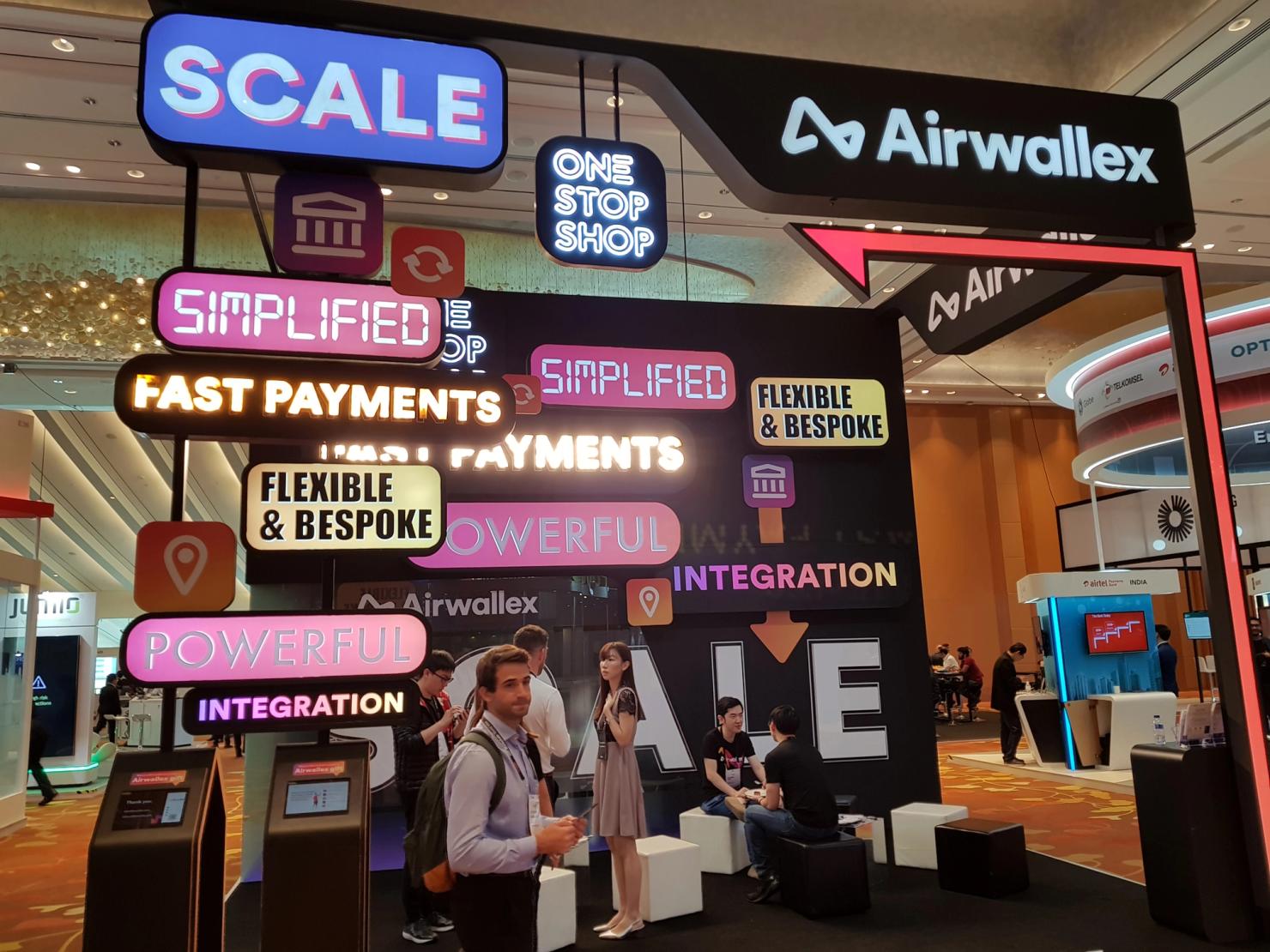
A rapidly expanding global fintech platform is accelerating its push into the United States after surpassing $1 billion in assets under management tied to its treasury and cash-yield services, marking a significant milestone in the increasingly competitive payments and financial-infrastructure sector. The company’s expansion centers on bringing its “Yield” treasury offering to U.S. businesses, allowing corporate customers to move idle balances into an institutional-grade money-market fund while integrating payments, foreign exchange, and expense management within a single platform. The milestone highlights a broader trend: financial technology firms are aggressively challenging traditional banking structures by offering faster, globally integrated financial tools aimed at businesses operating across borders. With a growing customer base of companies conducting international trade and digital commerce, the firm is positioning itself as a one-stop alternative to legacy banking systems that often remain slower and more fragmented. Its growth in assets under administration and its entry into the American market signal a new phase in the competition between emerging fintech platforms and the established financial institutions that have historically dominated cross-border payments and treasury services.
Sources
https://finance.yahoo.com/news/payments-startup-airwallex-expands-us-182003398.html
https://www.businesswire.com/news/home/20260306377584/en/Airwallex-Expands-High-Yield-Treasury-Offering-to-U.S.-Businesses-Surpasses-US%241-Billion-in-Global-Assets-Under-Administration
https://techfundingnews.com/airwallex-raises-330m-series-g-8b-valuation-san-francisco-expansion/
Key Takeaways
- The fintech platform’s treasury service has surpassed $1 billion in assets under administration, underscoring strong adoption among global businesses seeking alternatives to traditional banking cash-management products.
- Expansion into the United States reflects a broader strategic push to compete directly with American financial-technology firms and legacy banks in one of the world’s most lucrative financial markets.
- By combining payments, foreign exchange, treasury management, and corporate spending tools into a single platform, fintech challengers are increasingly positioning themselves as end-to-end financial operating systems for modern global companies.
In-Depth
The expansion of global fintech platforms into the United States reflects a major shift in the structure of modern finance. For decades, large multinational banks controlled the infrastructure behind international payments, cross-border currency exchanges, and corporate treasury management. But the rise of digital-first financial technology firms has begun to chip away at that dominance, offering faster and more integrated alternatives for businesses that operate across borders.
One example of this trend is the growing adoption of treasury products that allow companies to generate returns on idle cash without relying on traditional banking relationships. The recently launched U.S. treasury service gives businesses the ability to move funds from operational accounts directly into an institutional-grade money-market fund, often with faster settlement times and fewer administrative hurdles than legacy banking solutions. This kind of integration reflects the broader fintech strategy: reduce friction in financial management while combining multiple services into a unified digital platform.
Another factor driving this expansion is the globalization of small and mid-size businesses. Digital commerce has dramatically lowered the barriers for companies to sell internationally, meaning even relatively small firms now need tools that can handle multiple currencies, cross-border payments, and distributed teams. Fintech platforms have stepped into that gap by building systems designed specifically for modern, borderless commerce.
The push into the United States is particularly significant because it represents the world’s most competitive financial services market. To succeed there, fintech firms must contend not only with established banks but also with large technology-driven competitors that already dominate areas like online payments and corporate financial management. Yet the growing adoption of integrated financial platforms suggests that many businesses are willing to move away from traditional banking models if the alternative offers greater speed, transparency, and cost efficiency.
From a broader economic perspective, the growth of these platforms underscores a continuing transformation in the financial sector. The infrastructure that once required massive banking institutions is increasingly being rebuilt through software-driven systems that operate globally by design. If that trend continues, the next decade could see a significant reshaping of how companies manage money, conduct international trade, and interact with the global financial system.