

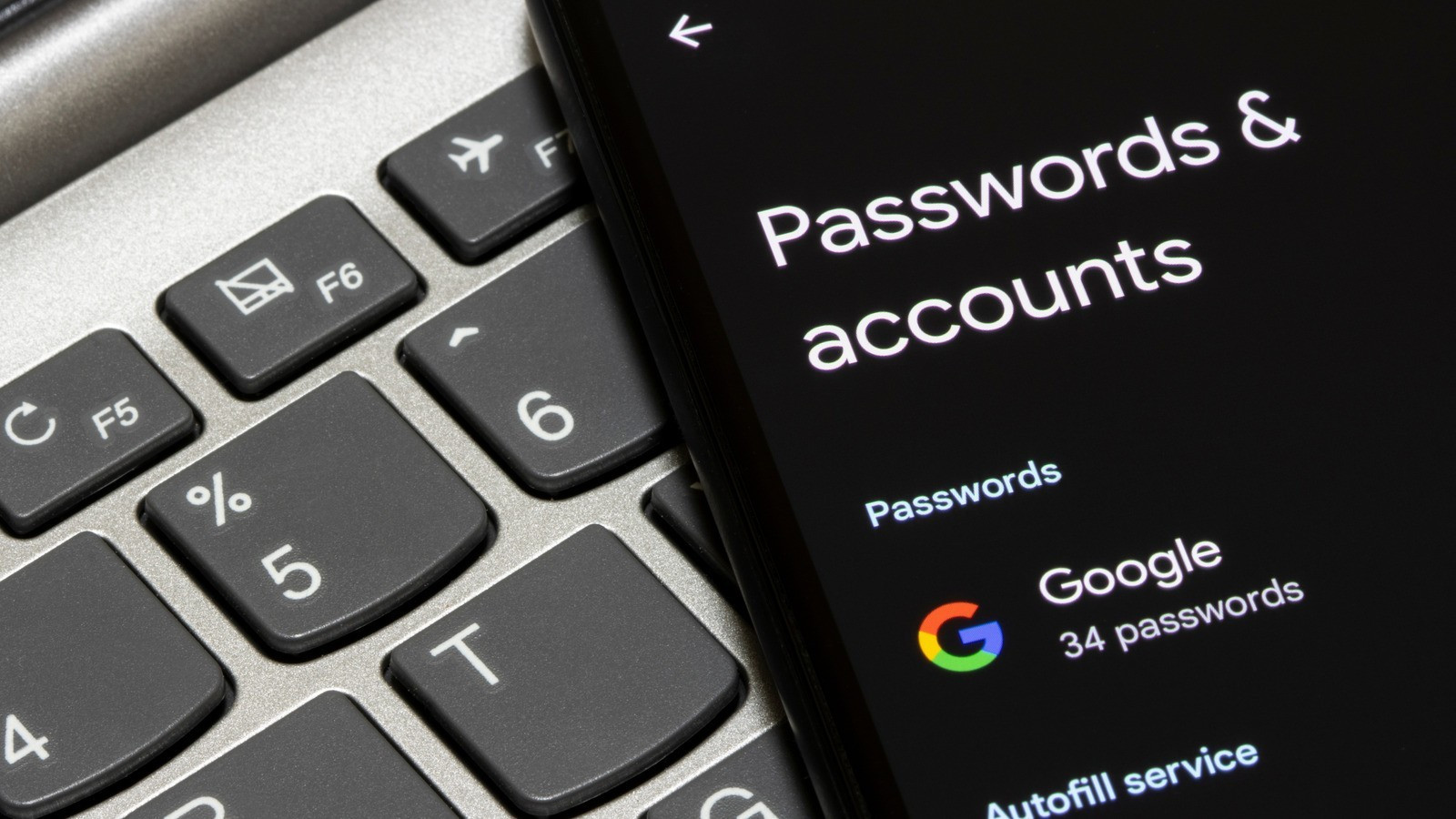
In a sharp and timely security move, Google has urged a majority of Gmail users to change their passwords immediately amid rising threats from phishing, vishing, and a significant data breach attributed to the hacking group ShinyHunters. Reports suggest that contact information for up to 2.5 billion users may have been exposed, fueling scams where impersonators pose as Google support to trick users into resetting credentials. To better protect accounts, Google and cybersecurity experts strongly recommend enabling two-step verification (2SV), ditching SMS in favor of more secure passkeys that rely on biometric or device‑based authentication, and completing the Google Security Checkup to spot weaknesses and suspicious activity.
Sources: Faharas.net, GB News, Economic Times
Key Takeaways
– Mass Exposure: Contact details for up to 2.5 billion Gmail users were compromised via a breach involving Google’s Salesforce-hosted data, enabling widespread impersonation scams.
– Security Shift: Google is pushing users away from traditional passwords and SMS-based 2FA, encouraging adoption of passkeys and stronger two-step verification methods.
– Preventive Tools: Google’s Security Checkup and Advanced Protection Program are key resources to identify vulnerabilities, manage device access, and strengthen account defenses.
In-Depth
Google’s latest advisory to Gmail users is a strong nudge toward tightening up digital security.
With contact info for potentially 2.5 billion accounts in the hands of cybercriminals, thanks to a breach via a Salesforce database exploited by ShinyHunters, the situation demands immediate action. It’s wise to take this seriously, not panic, but get practical.
At its core, the message is clear: update that password, but better yet, move beyond passwords altogether. Google and security professionals alike now recommend two-step verification that doesn’t rely on text messages—which are easily intercepted. Instead, passkeys offer a smarter, more private alternative. These use cryptographically secure credentials tied to your device or biometrics, making them much harder to steal or phish.
On top of that, tools like Google’s Security Checkup and Advanced Protection are there to help you spot risks—reviewing sign-in activity, checking recovery options, and limiting app access.
From a conservative standpoint, it’s about being proactive and using the tools that are already available to you, not waiting until problems compound. A little vigilance now goes a long way in protecting your digital life.