

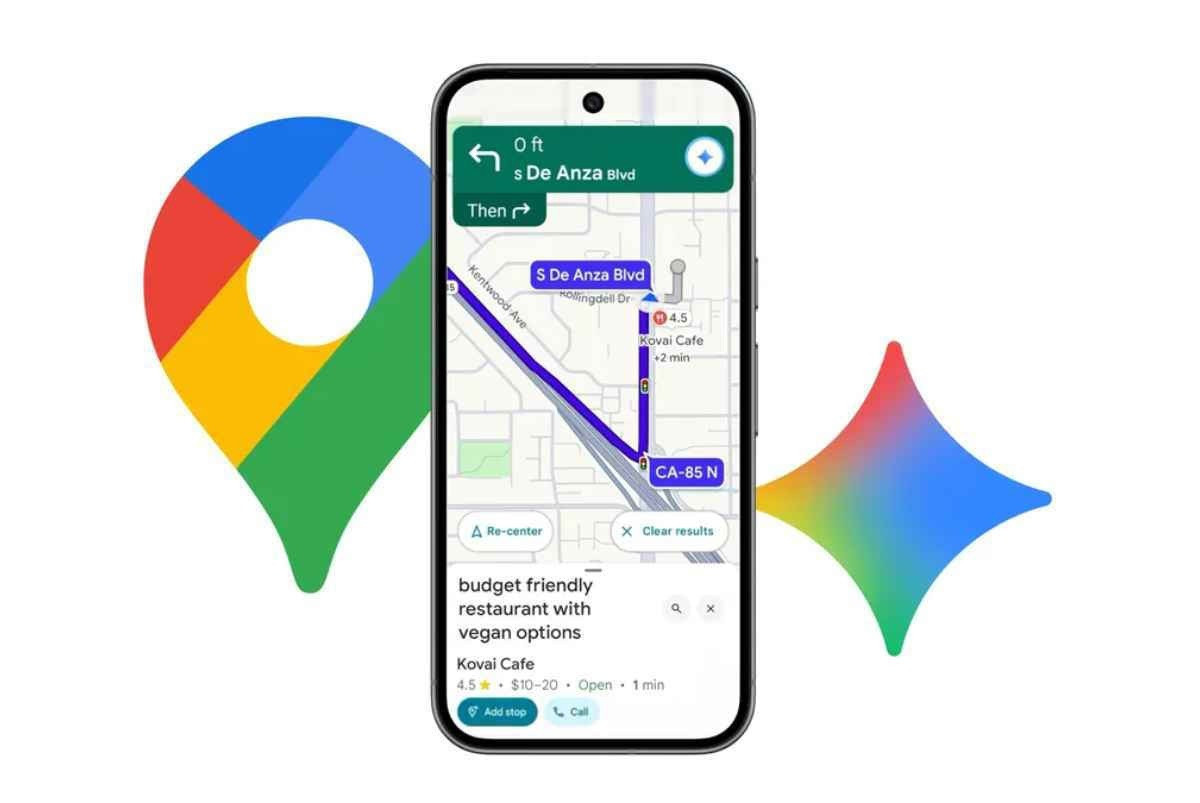
Google has unveiled a significant overhaul of its Maps platform, introducing a new artificial-intelligence feature called “Ask Maps” along with a redesigned “Immersive Navigation” system that collectively represent one of the most consequential updates to the mapping service in more than a decade. The AI assistant, powered by Google’s Gemini technology, allows users to ask complex, natural-language questions—such as finding quiet restaurants with specific amenities or planning a multi-stop road trip—and receive tailored recommendations based on Maps data, user reviews, and location history. At the same time, the Immersive Navigation upgrade provides enhanced 3D visualizations of roads, terrain, buildings, and landmarks, improving situational awareness for drivers and pedestrians alike. The update is rolling out first on mobile devices in the United States and India, with broader platform support expected later, signaling a continued push by Google to embed AI across its ecosystem and redefine how users interact with navigation tools.
Sources
https://techcrunch.com/2026/03/12/google-maps-is-getting-an-ai-ask-maps-feature-and-upgraded-immersive-navigation/
https://www.theverge.com/tech/893262/google-maps-gemini-ai-ask-maps-immersive-navigation
https://apnews.com/article/1933c40eaecfdbb9aa54d8ae3efcec2e
Key Takeaways
• Google is embedding Gemini-powered artificial intelligence directly into Maps through a conversational feature called “Ask Maps,” allowing users to ask complex questions and receive personalized location recommendations.
• The update includes a major visual overhaul called “Immersive Navigation,” which introduces 3D map views, detailed road features, and improved guidance for drivers and pedestrians.
• The rollout begins in the United States and India on mobile devices, reflecting Google’s broader strategy of integrating AI across its software ecosystem while reshaping everyday digital tools like navigation.
In-Depth
Google’s latest overhaul of its Maps platform illustrates a broader shift underway in the technology sector: traditional tools are increasingly being re-engineered around artificial intelligence. With the debut of the “Ask Maps” feature and a redesigned navigation interface, the company is attempting to transform what was once a simple directions app into a far more interactive and personalized planning assistant.
At the center of the update is Ask Maps, an AI-driven feature powered by the company’s Gemini model. Instead of typing simple search terms such as a restaurant name or address, users can ask detailed questions in plain language. A traveler might request suggestions for scenic stops along a road trip route, locate a quiet café with charging outlets, or find restaurants meeting specific dietary preferences. The system analyzes the massive database behind the Maps platform—including user reviews, photos, and location information—to generate tailored responses and recommendations.
The implications are substantial. Rather than forcing users to sift through dozens of search results, the AI is designed to interpret context and provide curated suggestions in real time. This reflects a growing trend in Silicon Valley where companies are pushing conversational AI as the primary interface for digital services. If successful, this shift could fundamentally change how people interact with everyday applications such as navigation, travel planning, and local discovery.
Alongside the conversational assistant, Google has introduced what it calls Immersive Navigation, a visual redesign intended to make directions clearer and more intuitive. The feature uses advanced 3D graphics to render buildings, terrain, roads, and traffic features such as lane markings and crosswalks. These visual cues are meant to give drivers and pedestrians a more realistic understanding of their surroundings while navigating complex environments.
For example, approaching an unfamiliar intersection or urban street grid often creates confusion for drivers relying solely on flat maps. The new interface attempts to solve that problem by displaying a dynamic, almost cinematic representation of the route ahead, highlighting critical navigation points and helping users anticipate turns or obstacles.
The rollout of these features begins in the United States and India on mobile devices, with additional platforms—including desktop and in-vehicle systems—expected to follow. That gradual deployment reflects the technical complexity of integrating AI into a service used by hundreds of millions of people worldwide.
From a broader perspective, the upgrade underscores how fiercely competitive the artificial intelligence landscape has become. Major technology companies are racing to embed AI into every layer of their products, from search engines and productivity software to consumer applications like maps. Navigation platforms, once viewed as relatively mature software, are now emerging as another frontier in that race.
For everyday users, the practical outcome may be simple: navigation tools that feel less like static maps and more like intelligent guides. Whether someone is planning a cross-country road trip or simply trying to find the nearest coffee shop, the new approach aims to deliver answers through conversation rather than manual searching.
In short, the transformation of Google Maps reflects a broader technological evolution—one where AI is steadily moving from a specialized tool to the central interface through which people interact with digital information.