

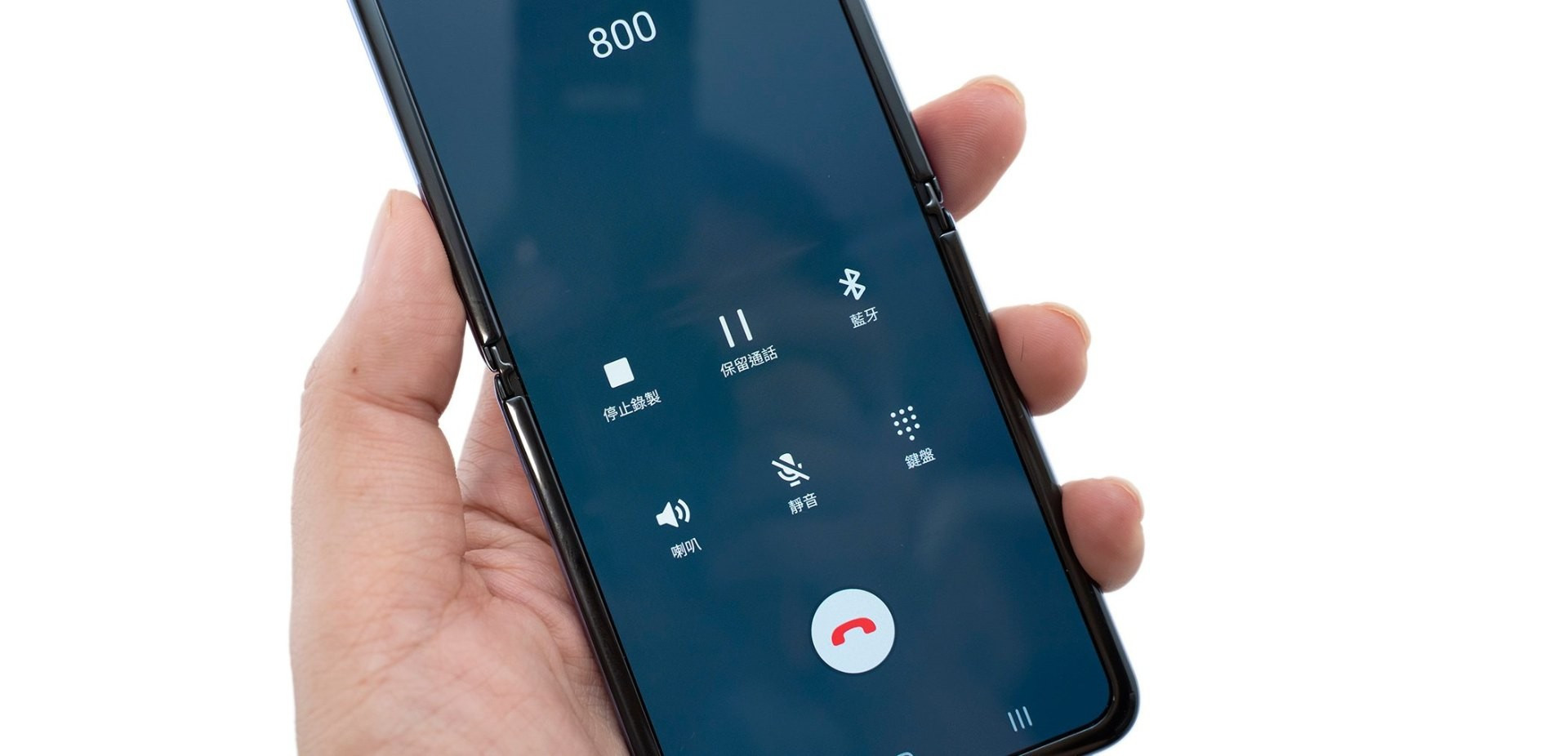
Google has begun expanding a native call recording feature on its Pixel phones in certain regions, complete with AI-powered tools like Call Notes that offer call summaries and transcripts, especially on newer models such as the Pixel 9. This expansion is being done cautiously, because of differing privacy and consent laws across geographies — some places require all parties to consent to recording, others only one party, and in some regions call recording is restricted or outright prohibited. The update reflects Google’s efforts to balance demand for more built-in utilities with legal compliance, transparency (e.g. notifications that a call is being recorded), and ethical considerations, while older Pixel models may or may not get similar functionality depending on software version and local law.
Sources: WebProNews, Android Authority
Key Takeaways
– Regulatory compliance is central. Google’s rollout is heavily shaped by local laws about consent for recording; regions differ in whether “one-party” consent is enough or if “all-party” consent is required, as well as how privacy laws regulate data and notification.
– AI-enhanced features increase usefulness. Beyond merely recording audio, Google’s Call Notes includes features like transcripts and summaries (leveraging models like Gemini), which can help users extract value (for documentation, business, etc.) with less manual effort.
– Limited availability and device/version dependence. Even for Pixel owners, whether the feature appears depends on region, Pixel model (esp. Pixel 9), Android / support app version, and whether Google has enabled the capability for that locale. There’s also potential for a phased rollout.
In-Depth
Google’s strategic expansion of its native AI call recording tools for Pixel phones marks a notable step in how major tech firms are blending usability, AI, and privacy. For many users, the ability to record calls has long been a wish list item — whether for keeping accurate records, interviews, customer service, or just for personal documentation. But until recently, Pixel phones lagged behind some competitors in this area due to a mix of technical, legal, and policy constraints. What’s changing now is that Google is integrating features like Call Notes into the “Phone by Google” app, particularly on the Pixel 9 series, which doesn’t just capture voice but uses AI to generate transcripts and summaries. This makes the utility significantly higher than a raw audio file; users can more quickly digest long calls or find what matters without re-listening.
Still, this rollout is anything but universal. Different regions have different legal requirements for recording phone calls — some require all participants to consent, others only one, and in some jurisdictions recording is restricted or unlawful. Google is moving carefully, enabling recording functions only where permitted, incorporating visible cues or notifications so all parties are aware, and (for now) limiting full functionality to certain models or software versions. For example, older Pixels might see some parts of the capability (depending on updates and local regulation), but not necessarily the full AI-rich suite of features.
From a user standpoint, this means checking whether your Pixel model has an updated Phone app, whether you live in a region where call recording is permitted, and whether Google has enabled the feature for your locale. For Google, the delicate balance is in delivering features that users want — efficiency, AI enhancements, transparency — without violating privacy norms or legal limits. As more AI-driven tools become embedded in daily tech, this tension will only increase. The success of this expansion will depend not just on tech, but on how well Google handles regulation compliance, transparency, and user trust.