

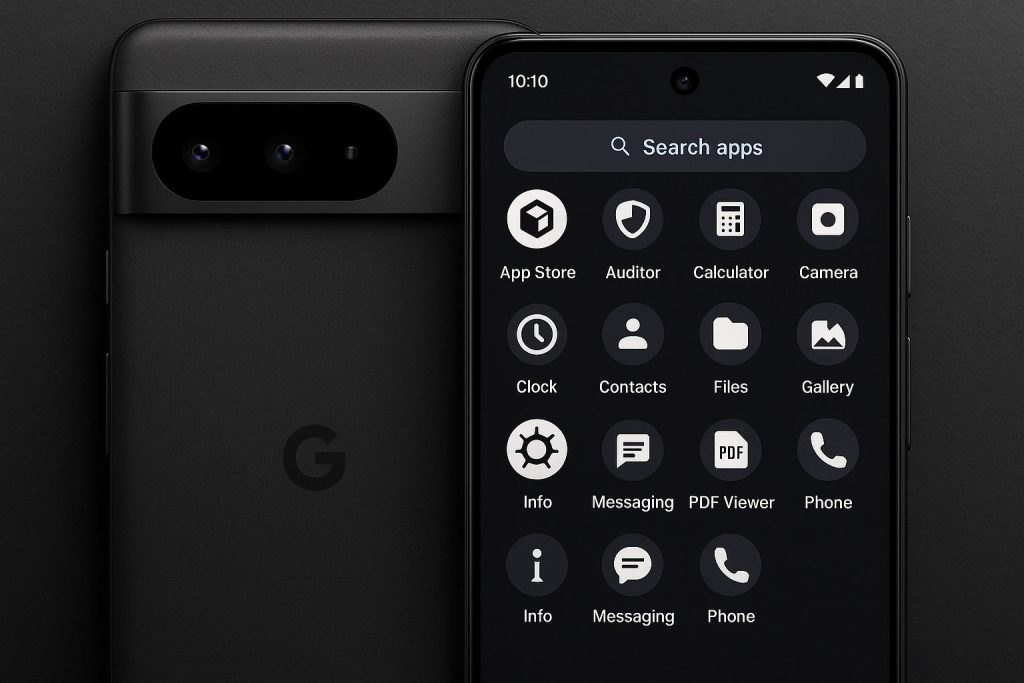
GrapheneOS—the privacy- and security-focused Android fork famously tied to Google Pixel devices—is reportedly gearing up to end its device exclusivity. According to recent statements from the GrapheneOS team, it’s collaborating with a “major Android OEM” to bring support to future Snapdragon-powered smartphones, while continuing to support existing Pixel models. Android Authority notes that this move would let GrapheneOS expand beyond Tensor-based hardware, opening broader phone choices for privacy-minded users. The OEM is unnamed, though several sources point to speculation around brands like Nothing or OnePlus. Android Headlines reports the partnership was confirmed in June 2025, with support priced in line with Google’s flagships. And privacy forums say the shift addresses long-standing constraints imposed by relying solely on Google hardware.
Sources: Android Authority, Android Headlines
Key Takeaways
– GrapheneOS is preparing to support non-Pixel hardware via a partnership with a major Android OEM, expanding beyond its long-standing Pixel exclusivity.
– The shift will leverage Snapdragon chipsets instead of Google’s Tensor design, opening access to more device models while keeping a premium pricing tier.
– Existing Pixel support will continue, but future Pixel inclusion is uncertain, and the unnamed OEM must meet strict security and bootloader requirements.
In-Depth
GrapheneOS has long been viewed as the gold standard for security-minded Android users, but with a major tradeoff: it was only officially supported on Google Pixel phones. That exclusivity stemmed from the fact that Google’s Pixels offered unique features—like a controllable bootloader, stable firmware ecosystems, long update cycles, and hardware security (e.g. the Titan security chip)—that aligned with the strict demands of GrapheneOS. But now, it seems GrapheneOS is ready to loosen that constraint.
According to multiple recent tech reports, the development team has confirmed it’s working with a “major Android OEM” to extend official support to upcoming Snapdragon-powered devices. That means users might soon see phones from other brands shipped or at least officially compatible with GrapheneOS—opening the privacy OS to a broader audience. The new phones are expected to be in the same price bracket as Pixels, so GrapheneOS isn’t chasing budget devices; it’s aiming to stay in the upper echelon of secure smartphones.
One of the biggest technical pivots here is the move from Tensor chips to Snapdragon. Qualcomm‘s Snapdragon line is more broadly adopted, with mature driver support and modular firmware pipelines. But that brings new complexity: GrapheneOS will need the OEM’s cooperation to secure firmware, boot chains, update paths, and on-chip security elements. It’s not just about flashing an OS—security, attestations, timely patches, and firmware access all matter deeply.
Crucially, the GrapheneOS team says it will maintain support for existing Pixel devices for their full lifetime. But whether future Pixel models (beyond Pixel 10, for example) will stay in their roadmap is still undecided. Meanwhile, speculation is rife about which OEM is involved. Some suggest Nothing—because it’s transparent about bootloader unlocking—but others point to OnePlus or brands known to allow user control. The unknown status creates both excitement and caution among enthusiasts.
For users today, probably the biggest takeaway is this: if you were holding off on buying a privacy-first phone solely because GrapheneOS forced a Pixel purchase, that constraint may fade soon. But it’s early days—the project still must validate hardware, maintain its high security standards, and ensure the new devices meet or exceed the protections built around the Pixel ecosystem. If it succeeds, GrapheneOS could shift from niche to mainstream among privacy buyers.