

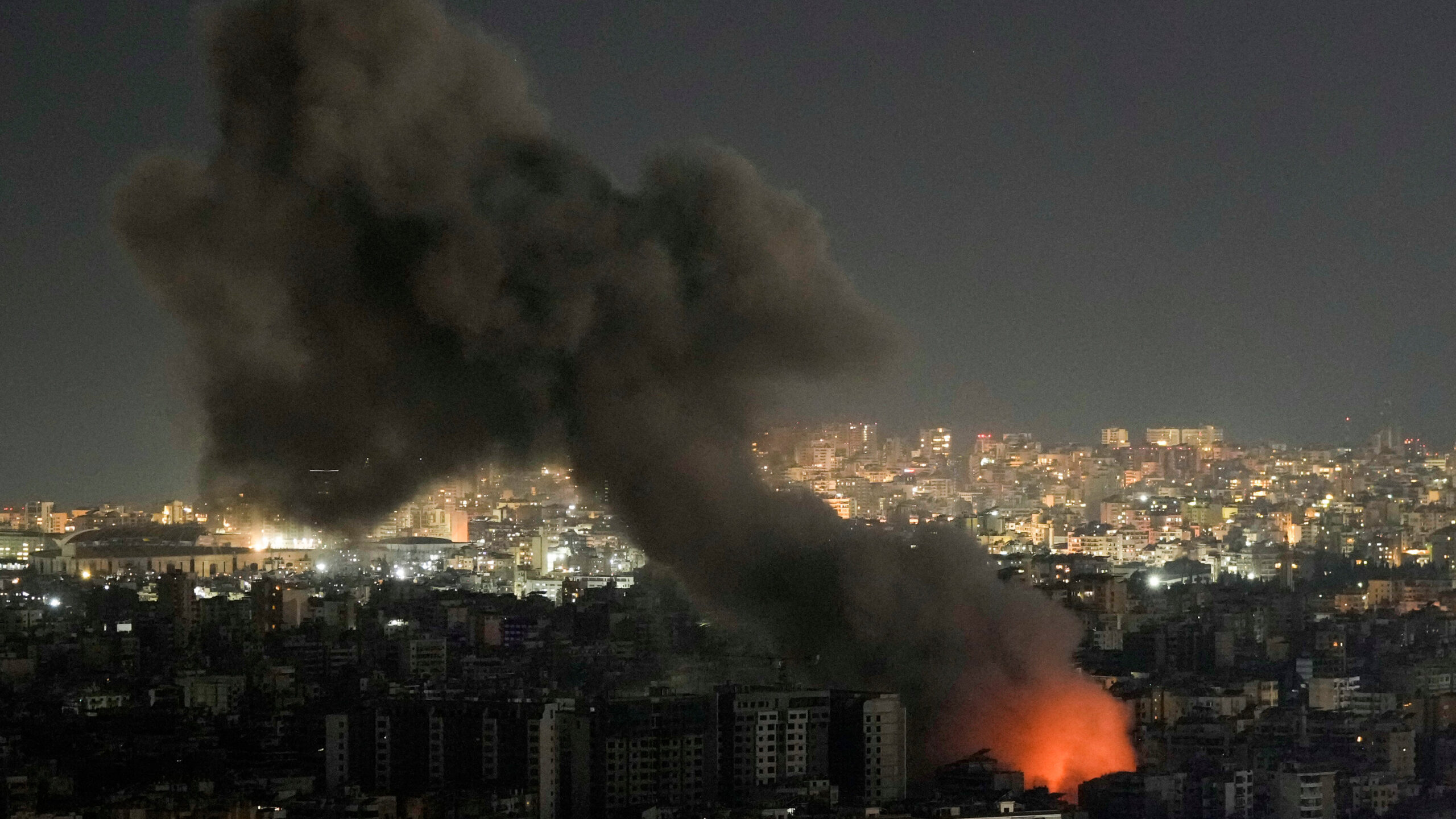
A wave of cyber disruptions and widespread internet outages swept across Iran as U.S.-led airstrikes targeted key locations in the country, highlighting how modern conflicts increasingly unfold on both physical and digital battlefields at the same time. Reports indicate that Iranian networks experienced major connectivity failures and unusual cyber incidents during the military campaign, including hacking operations that flooded popular Iranian mobile apps with anti-government messages and calls for dissent. At the same time, internet monitoring groups observed connectivity across Iran plunge to only a fraction of normal levels, leaving millions cut off from the outside world and struggling to communicate with family members or verify information about the conflict. Analysts say the cyber disruptions may reflect a mix of coordinated hacking campaigns, wartime cyber operations, and deliberate shutdowns by Iranian authorities attempting to control information during a volatile moment for the regime. The digital turmoil underscores a growing reality in modern warfare: cyber operations can cripple communications, influence public sentiment, and support military strategy just as effectively as bombs or missiles.
Sources
https://techcrunch.com/2026/03/02/hackers-and-internet-outages-hit-iran-amid-u-s-air-strikes/
https://www.wired.com/story/how-journalists-are-reporting-from-iran-with-no-internet
https://www.reuters.com/business/finance/us-banks-high-alert-cyberattacks-iran-war-escalates-2026-03-03/
Key Takeaways
- Cyber disruptions and hacking incidents coincided with U.S.-led airstrikes in Iran, demonstrating how digital operations now accompany kinetic military campaigns.
- Internet connectivity across Iran dropped dramatically, isolating citizens and complicating the ability to verify information about the conflict.
- Western analysts warn the cyber dimension of the war could expand, with Iranian-aligned hackers potentially targeting financial systems and infrastructure abroad.
In-Depth
The unfolding conflict involving Iran has revealed just how inseparable cyber warfare has become from modern military strategy. As airstrikes hit targets across the country, Iran simultaneously experienced severe internet disruptions and hacking incidents that appeared timed with the broader military campaign. Connectivity monitoring organizations reported that Iranian internet traffic dropped sharply, leaving large portions of the population effectively cut off from the global network.
In some cases, cyber activity took a psychological and informational form rather than a purely technical one. Reports surfaced that hackers targeted widely used Iranian mobile applications, pushing mass notifications that urged citizens to challenge the government and suggested that those who rose against regime authorities would receive amnesty. Such tactics illustrate how digital platforms can be weaponized during conflict not only to disrupt communications but also to influence public perception and internal political dynamics.
The Iranian government has a long history of restricting internet access during moments of political tension, particularly during protests or civil unrest. Analysts say the recent shutdowns likely served multiple purposes. Cutting off connectivity can hinder the ability of foreign intelligence agencies to communicate with sources on the ground, while also preventing citizens from sharing images, videos, or firsthand reports that contradict official narratives.
At the same time, cybersecurity experts warn that the cyber front of the conflict may not remain confined to Iranian territory. U.S. intelligence assessments indicate that Iran-aligned hackers or “hacktivist” groups could attempt retaliatory cyber operations against Western institutions, including financial networks or infrastructure systems. While such attacks historically have been limited to disruption tactics such as distributed denial-of-service campaigns, the growing sophistication of cyber tools means the digital battlefield could expand rapidly.
For the broader world, the situation highlights an uncomfortable reality: warfare in the twenty-first century increasingly operates on two tracks simultaneously. Bombs and missiles may capture headlines, but the quieter struggle over networks, data, and information is becoming just as decisive in shaping how conflicts unfold and how societies experience them.