

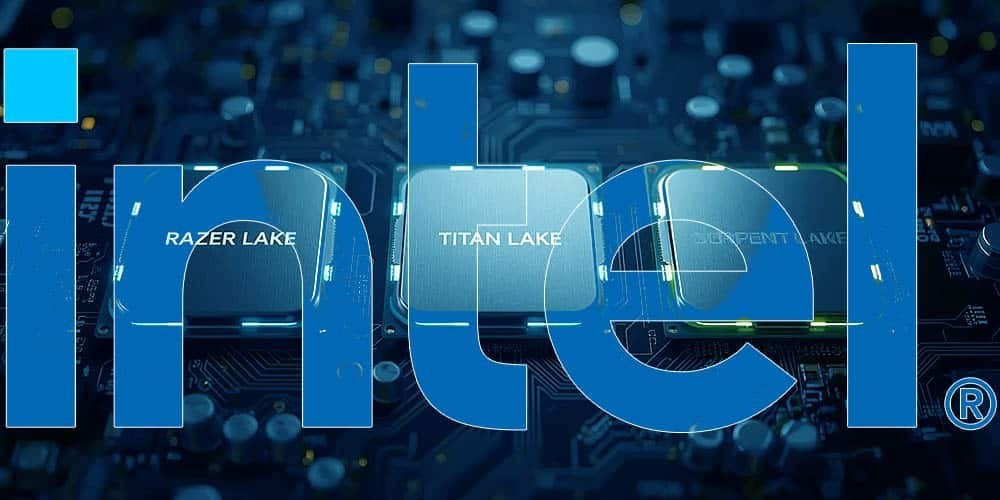
A new set of leaks points to Intel‘s 2026-2029 CPU roadmap showing a broad lineup of next-gen architectures — including Razer Lake desktop CPUs, the mobile-focused Titan Lake family, and a long-term Hammer Lake design with unified cores — alongside a possible joint Intel-NVIDIA platform called Serpent Lake that could pair Intel CPUs with NVIDIA GPUs on advanced TSMC processes, reflecting aggressive competition with AMD and a potential strategic shift toward stronger integrated graphics and hybrid CPU-GPU products.
Key Takeaways
Broad Future Roadmap: Intel’s upcoming CPU families (Razer Lake, Titan Lake, Hammer Lake) are reportedly in development with significant architectural changes and performance improvements planned.
Intel-NVIDIA Collaboration: “Serpent Lake” is rumoured to be the first Intel/NVIDIA co-developed platform mixing Intel CPU cores and NVIDIA GPU technology, potentially manufactured by TSMC.
Architecture Shifts: Leaks suggest improvements in IPC performance, new core designs like Griffin Cove and Golden Eagle, and a possible move toward unified cores that blur the line between performance and efficiency cores.
In-Depth
Let’s break this down in plain terms and put it in perspective for anyone watching the CPU and graphics wars closely. There’s a big story here, and it’s about more than just code names. It’s about whether Intel can get its mojo back against AMD and how NVIDIA is positioning itself in an era where integrated graphics matter more than ever.
The primary leak out of Gizbot’s tech coverage paints a picture of a multi-stage evolution in Intel’s processor roadmap over the next several years. According to that source, Intel intends to follow its Nova Lake series with Razer Lake for desktops, while Titan Lake will be the mobile counterpart aimed at laptops. Looking past those, Hammer Lake shows up as something different: a future design that may ditch the traditional separation of “P-cores” and “E-cores” for a more unified structure. That’s the kind of architecture shift that AMD and Apple have used to good effect, so Intel’s interest here makes sense.
At the same time, the same leak talks about Serpent Lake — a hybrid effort with NVIDIA that would combine Intel CPUs with NVIDIA GPUs, possibly built on TSMC’s cutting-edge N3P process technology (a node that rivals the best in the industry). The GPU component is rumoured to be based on NVIDIA’s Rubin RTX family. This sort of collaboration is significant because Intel’s own integrated graphics have historically lagged, and bringing in NVIDIA tech feels like a strategic effort to close that gap.
PC Gamer’s coverage of this — specifically around Serpent Lake — reinforces a few important points. First, the idea that Intel and NVIDIA are collaborating isn’t just idle rumor: public statements from both sides confirm they’re working on future APU-style products, even if the details are still hazy. The leaked codename “Serpent Lake” likely stems from early slides or prototype materials circulating among hardware analysts, but what’s clear is that combining Intel’s CPU prowess with NVIDIA’s GPU strengths could offer a compelling alternative to AMD’s current strategy.
Meanwhile, Notebookcheck’s report delves deeper into the individual architectures themselves. For example, Razer Lake looks to expand core counts while improving instructions-per-clock (IPC) performance — a key metric for both gaming and productivity workloads. The “Griffin Cove” P-cores and “Golden Eagle” E-cores mentioned in these leaks are code names for next-generation core designs that promise meaningful gains over previous generations. The fact that these leaks also suggest a future Hammer Lake unified core strategy is significant: instead of separating big and small cores, Intel might be moving toward a more homogeneous core structure that simplifies design and potentially delivers better sustained performance.
From a broader perspective, all of this signals that Intel recognizes the stakes are high. AMD has spent the last several years chipping away at Intel’s dominance with its Zen architecture, taking both performance and market share. Apple’s success with its own unified architectures on ARM has also shifted industry expectations about what integrated computing platforms can do. A move toward unified designs with Hammer Lake would be Intel’s response to that trend, and stepping up to match AMD’s efficiency and performance balance is critical.
The NVIDIA angle adds another layer. Intel’s traditional strength has always been in CPUs, while NVIDIA has dominated discrete GPUs. But the future of computing increasingly blurs those lines. AI workloads, graphics performance, and specialized compute tasks benefit from tightly integrated CPU-GPU solutions. If Serpent Lake delivers on its promise, it could give Intel a shot at reclaiming leadership in markets that matter for both mainstream users and enterprise customers.
Let’s be clear: these are leaks, not official product launches. Leaks have a long history of both hitting and missing their marks, so anyone making purchasing decisions based on speculative roadmaps should proceed cautiously. But there’s a conservative case to be made for taking industry signals seriously when they align across multiple independent sources — and that appears to be happening here.
From a market competition standpoint, a stronger Intel — especially one that can integrate NVIDIA GPU technology effectively — benefits the broader PC ecosystem. More competition means better performance, better pricing, and more innovation. It also prevents any single vendor from establishing too much dominance, which can lead to stagnation. Right now, AMD and NVIDIA have been riding high, and Intel’s renewed push keeps pressure on both.
In summary, if these leaks are even halfway accurate, we’re looking at a major evolution in Intel’s product strategy — one that could influence everything from desktop chips and mobile processors to integrated graphics performance and long-term architectural philosophy. The timelines stretch out several years, but given how fast the tech landscape moves, every bit of forward planning counts.