

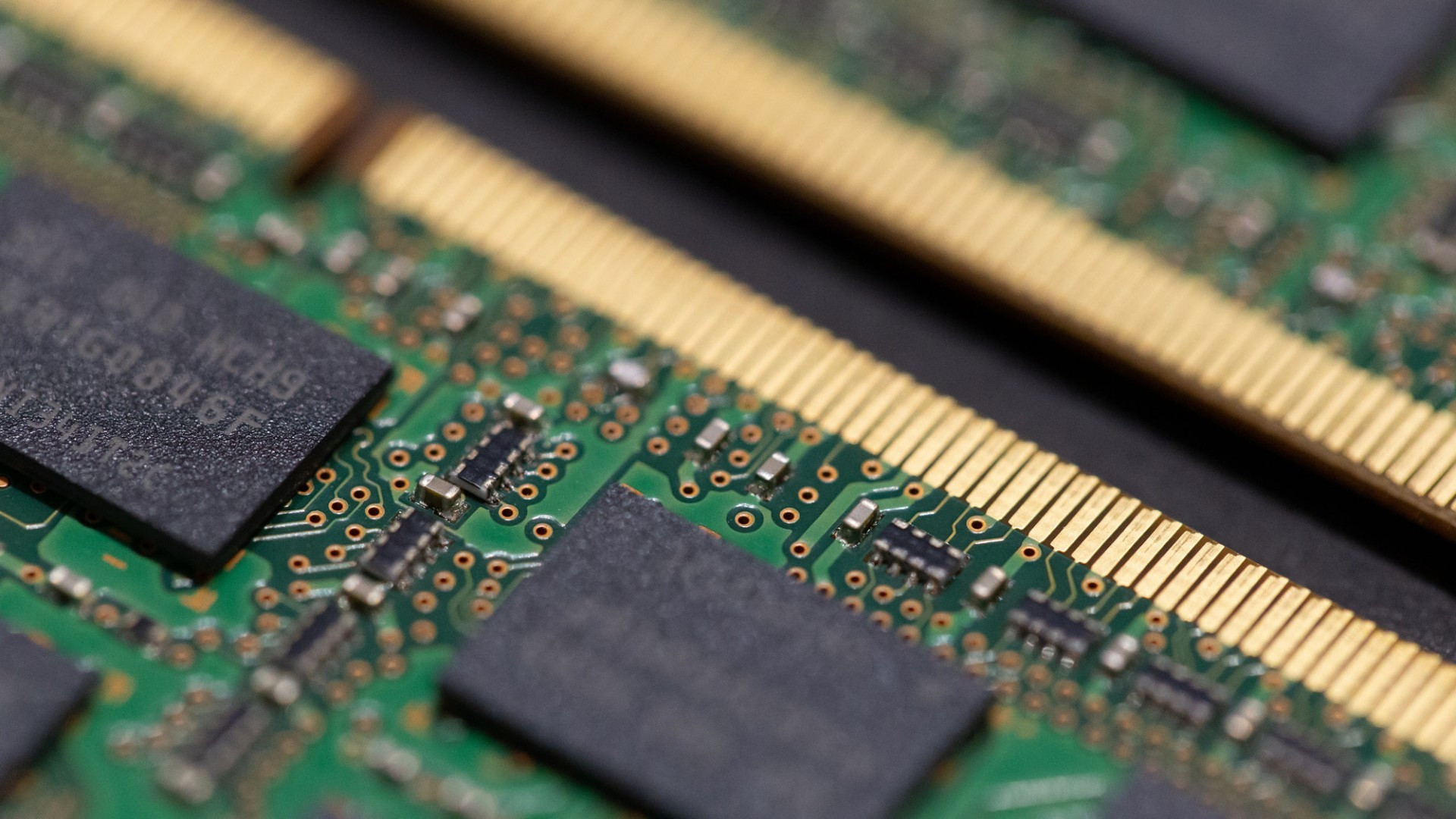
RAM prices — especially traditional DDR4 memory — have surged dramatically over the past year, with prices for common kits jumping from under $100 to several hundred dollars, pushing some online price-tracker charts to their limits and fueling fears among PC builders, IT buyers and industry watchers that memory pricing could climb up to tenfold by 2026 if current supply and demand trends persist. This escalation reflects tight DRAM markets driven largely by Artificial Intelligence (AI) data-center demand, production shifts toward premium memory types, and constrained supply that’s spilling over into consumer segments, prompting some manufacturers to prioritize server and high-bandwidth memory over desktop components. Major independent market observers note that spot and contract memory pricing across DDR4 and DDR5 categories has climbed sharply, while other memory segments like NAND flash have also seen significant price pressure — all of which is contributing to a much steeper cost curve for devices that rely on these components. Broader market data show structural supply challenges persisting through 2026, reinforcing the risk that memory could become a major cost driver in PC, smartphone and server pricing well beyond the norm seen in recent years.
Sources:
https://www.techradar.com/pro/is-ram-the-new-bitcoin-ddr4-memory-prices-are-rising-so-fast-some-tracker-graphs-are-running-out-of-space-and-i-fear-2026-could-well-see-a-10x-price-rise
https://www.techradar.com/pro/why-is-ram-so-expensive-right-now-its-more-complicated-than-you-think
https://en.wikipedia.org/wiki/2024%E2%80%932026_global_memory_supply_shortage
Key Takeaways
- Memory pricing — especially for DDR4 and DDR5 modules — has climbed significantly, with some kits now several times more expensive than a year ago.
- Structural shifts in production toward AI-oriented memory and constrained supply are key drivers behind the elevated cost environment.
- The trend is expected to continue through 2026, potentially reshaping device cost structures and buyer expectations in both consumer and enterprise markets.
In-Depth
Prices for RAM — long considered a relatively stable component in PC and server builds — have undergone a dramatic transformation, catching buyers and industry players off guard. Recent data show that popular DDR4 kits that once cost below $100 are now routinely listed at several hundreds of dollars, a spike driven by tightening supply, strong demand from AI infrastructure builds, and strategic allocation of production capacity toward premium memory formats. Memory manufacturers, facing the lucrative AI market, have increasingly diverted wafer output to high-bandwidth memory and enterprise DRAM, leaving consumer memory supplies thin and pricing volatile. What once functioned as a predictable cost component has become unpredictable, with spot and contract rates moving sharply upward and compressing historical price curves shown on tracking charts.
This volatility is no accident; it is rooted in a structural market shift where hyperscale AI deployments absorb massive quantities of DRAM and edge computing memory, squeezing traditional consumer market supply lines. With DRAM and related components now commanding higher premiums, device makers find themselves under cost pressure, and some analysts are raising the possibility that memory costs could rise up to ten times current levels by 2026 if no relief comes. For PC builders, IT procurement teams and consumers, this means rethinking budgets, embracing memory conservation strategies, and planning purchases more strategically. The broader memory shortage and pricing trend now stands as a key cost issue for hardware markets into 2026 and potentially beyond.