

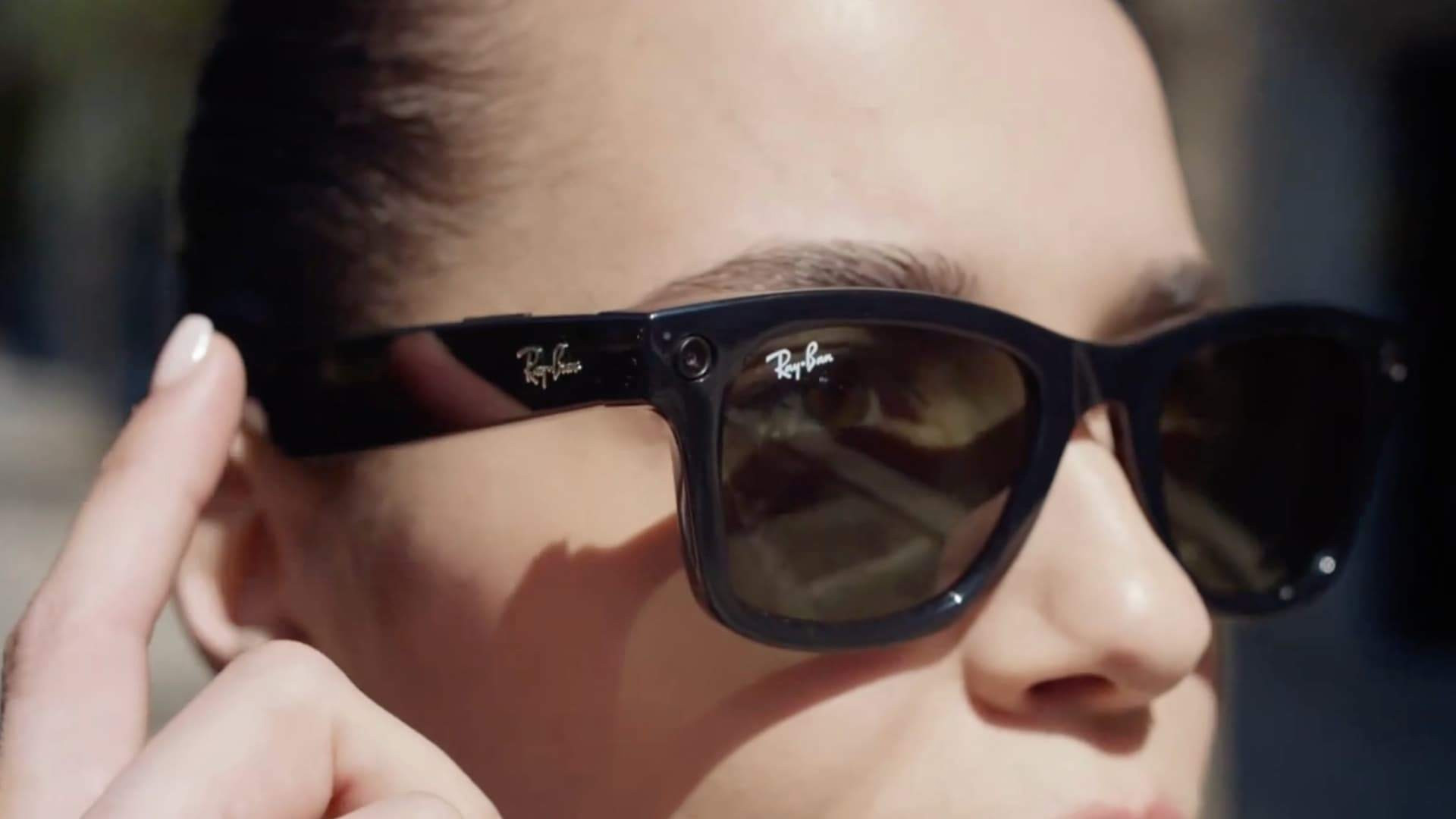
In a recent dive by The Verge, legal analysts warn that the Ray‑Ban × Meta Platforms smart glasses epitomize a growing class of wearable tech that existing privacy laws simply weren’t designed to handle. The article highlights that these devices — cameras built into fashionable eyewear, with live streaming, voice and gesture controls, and emerging AI features — straddle the line between consumer gadget and surveillance tool. One privacy attorney noted that the existing statutes were crafted for flip-phones and smartphones, not for “wearables that can instantly capture, analyze and transmit data about people around us.” Meanwhile, the glasses’ recording LED indicator is minimal and easily bypassed, raising questions about meaningful consent. With law enforcement and casual users adopting the tech alike, the author argues we are in a “luxury surveillance” era where social norms and laws lag behind the technology.
Sources: The Verge, TechXplore
Key Takeaways
– The smart glasses’ recording capabilities outpace legal safeguards: many statutes assume visible smartphone-style recording, not subtle eyewear cameras.
– Built-in indicators (e.g., LED lights) may not satisfy legal consent standards across jurisdictions, meaning many recordings could fall into gray zones.
– As wearable AI grows (including future facial-recognition features), the gap between what’s technologically possible and what’s legally regulated is widening—raising both regulatory and social-norm challenges.
In-Depth
The evolving landscape of wearable technology, especially as embodied in Meta’s partnership with Ray-Ban, is forcing a reckoning for privacy laws that were drafted long before glasses could discreetly stream video, record conversations, and tie what you see or say into cloud-AI pipelines. At its core, this is a conservative concern: while innovation drives prosperity and convenience, there is a tipping point when the balance between individual autonomy and technological capability begins to tilt toward pervasive surveillance.
Meta’s smart-glasses line may appear innocuous—stylish frames, built-in cameras, voice commands and gesture controls—but unpacking the features reveals a profound expansion of recording capability. Legal frameworks in many jurisdictions assume that someone holding a smartphone makes their intentions visible; eyewear recording, however, may go unnoticed or ignored. The Verge article underscores this point by raising the question: does a tiny red LED light create meaningful awareness that one is being recorded? In many states, the answer is uncertain, because laws were not drafted with this form factor in mind.
Further complicating matters is the mixing of AI, cloud storage and potential facial-recognition features. Reports suggest Meta is working toward “super-sensing” smart glasses that could recognize individuals by name, track location and tie a wearer’s captured media to rich datasets. When wearables become “always on” or near-always on, the privacy implications extend far beyond casual social-capture into real-time profiling. One article notes that university students demonstrated a modified system that, paired with the glasses, could access personal details like addresses in seconds.
From a conservative standpoint, this prompts critical questions: Who holds the data? Who is accountable when consent is ambiguous or non-existent? The law, one attorney is quoted saying, is “too small, the enforcement process is too cumbersome, and it wasn’t written with anything like this kind of ubiquitous private recording in mind.”
What is the remedy? The article suggests multiple vectors: regulatory updates to include wearables in consent laws; built-in technological safeguards (e.g., hardware-level disable switches); clearer social norms around recording and data capture; and perhaps most importantly, user awareness and critical judgment. Until legislation catches up, the primary check may be community pushback and individual discretion.
In short, as these smart glasses move from novelty to mainstream accessory, the fundamental trade-offs need to be scrutinized. Convenience and connectivity are valuable—but they must not come at the expense of constitutional and commonsense privacy protections. Without proactive regulation or design built-in protections, the shift toward “luxury surveillance” might become an everyday fact of public life, rather than an exceptional situation.