

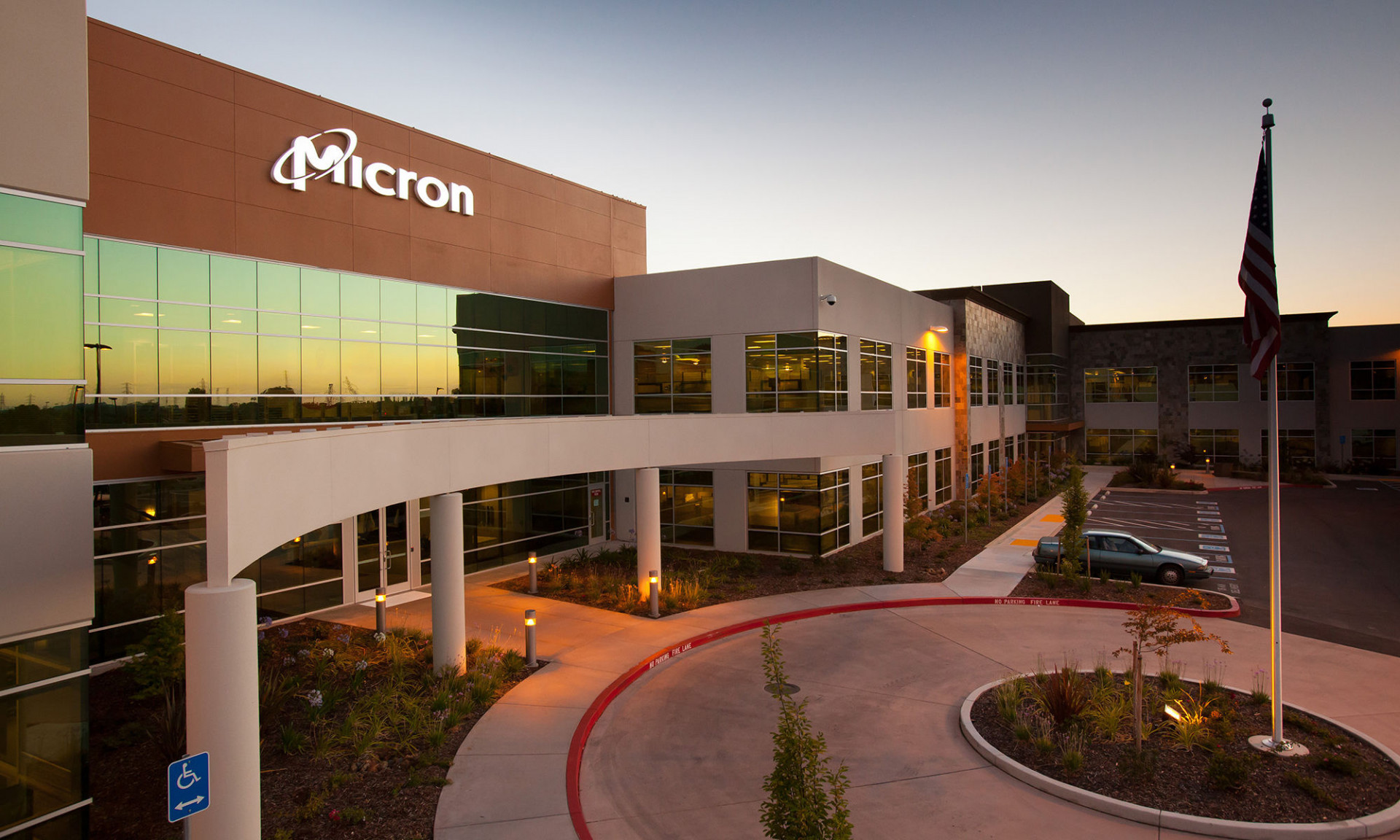
Micron Technology has announced it will retire the consumer-facing Crucial brand — famous among PC builders for affordable RAM and SSDs — by February 2026. The move reflects the company’s pivot to prioritize high-bandwidth memory (HBM) and other advanced memory products for AI data centers, where demand is booming. The shutdown is already causing ripples in the PC components market, raising concerns among hobbyists and system builders about tighter supply and higher prices.
Key Takeaways
– The retirement of Crucial signals a strategic exit from consumer-grade RAM/SSD markets by Micron, shifting its focus toward supplying AI-driven data centers with high-margin HBM and enterprise memory products.
– PC builders and smaller system vendors reliant on budget-friendly Crucial parts may face shortages or price hikes, as consumer-geared supply gets funneled into AI infrastructure demand.
– The broader semiconductor memory industry is adjusting to the new paradigm: memory and storage are becoming critical infrastructure for AI workloads, not just commodity PC components.
In-Depth
The 2025 announcement that Micron Technology will shutter the longstanding consumer-oriented Crucial brand by early 2026 represents a major inflection point for the memory and storage business — and for anyone who builds, upgrades, or buys personal computers. Crucial has long been synonymous with budget-friendly RAM and SSDs, widely used by DIY PC builders, small system vendors, gamers, and creatives seeking affordable performance. Its disappearance will leave a vacuum in that segment, and it comes at a moment when memory demand has already started to surge — largely because of the growing appetite of companies building large-scale AI infrastructure.
Micron says the shift is strategic: by ceasing consumer-oriented sales, it can redirect production capacity toward high-bandwidth memory (HBM) and other specialized memory solutions designed for AI data centers. These products — stacked DRAM, massive-capacity DDR modules, high-density SSDs, and future-oriented memory expansion formats like CXL — now represent the highest-growth, highest-margin part of the market. As AI models grow in size and complexity, memory bandwidth, latency, and capacity have become more critical than ever. Companies like Micron, with broad product offerings across the memory hierarchy, see a chance to relegate consumer PC memory to the sidelines and focus on supplying the backbone of tomorrow’s AI compute infrastructure.
For the PC-building community, though, this shift is likely to bring pain. With Crucial gone, fewer affordable options remain. Prices for RAM and SSDs may rise, supply may tighten — not just because of AI demand, but also because fewer companies are manufacturing or marketing consumer-grade parts at scale. Vendors such as boutique PC makers, small hardware makers, and hobbyists may have to scramble to find alternatives, or accept higher costs.
In practical terms, this could mean slower upgrades for laptops or desktops, more expensive custom builds, and more pressure on alternative brands or boutique memory vendors — assuming those vendors scale instead of following Micron’s lead. For those buying mainstream PCs, manufacturers may respond by increasing base-system prices or shipping devices with less RAM.
On a deeper level, Micron’s move reflects a larger structural shift across the semiconductor industry: memory is no longer a mundane commodity. As high-performance computing and AI infrastructure become dominant drivers of demand, memory and storage are redefined as core infrastructure components — the nervous system of modern AI. Leading memory companies are retooling accordingly. For consumers, this might eventually narrow the gap between enterprise-grade and consumer-grade memory availability. But in the near term, expect disruption, scarcity, and rising costs for everyday PC owners and builders.