

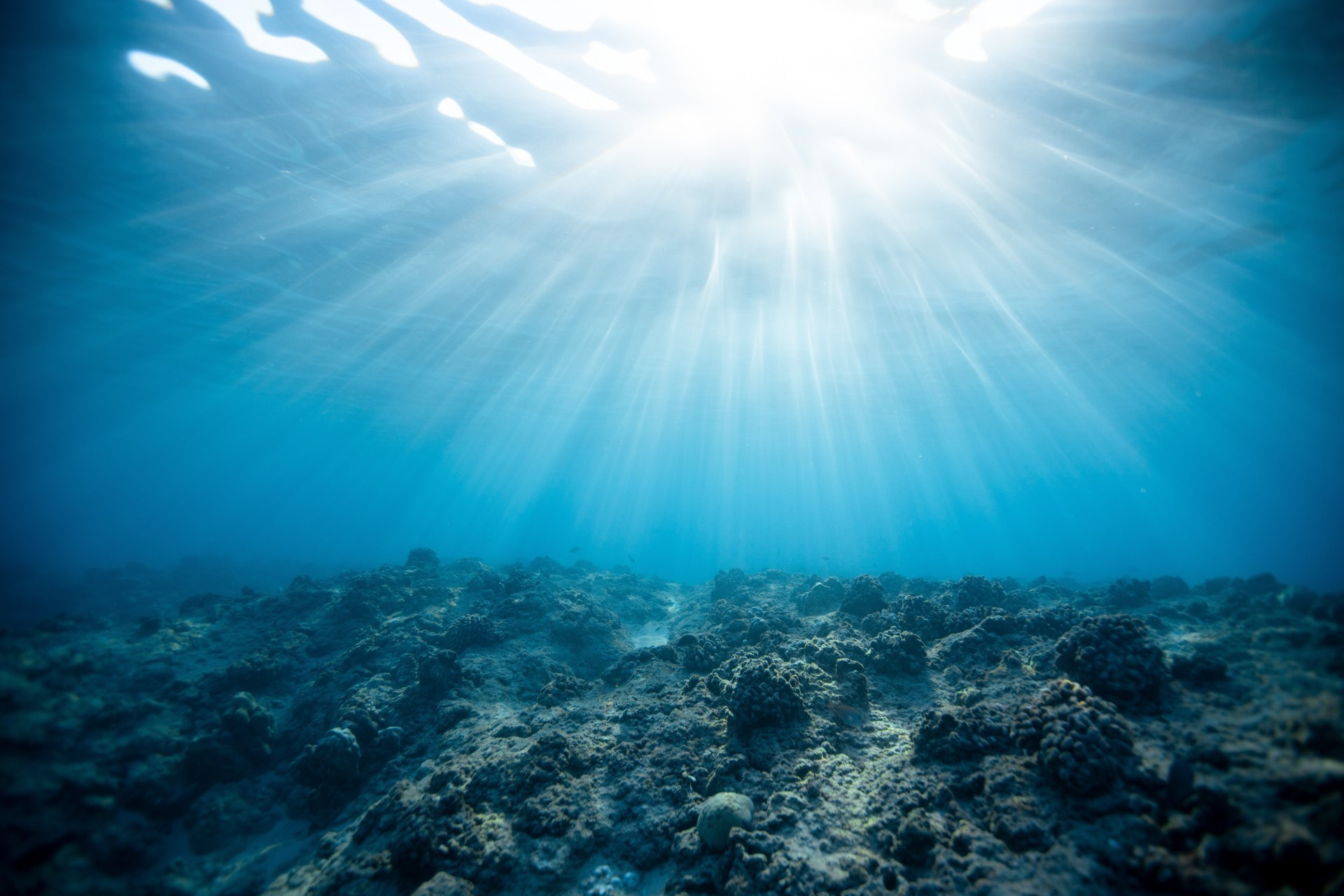
A team from MIT and the Woods Hole Oceanographic Institution (WHOI) has developed SeaSplat, an image-analysis system that counteracts underwater optical distortions—like light bending, scattering, backscatter, and color attenuation—to reconstruct true-color, three-dimensional underwater scenes as if the water had vanished. By combining a pixel-by-pixel color-correction algorithm with 3D Gaussian splatting, SeaSplat stitches together images from divers and underwater vehicles into immersive, virtual landscapes where colors remain vivid from any angle or distance. This approach has been validated across multiple environments—from the Red Sea and Caribbean to the U.S. Virgin Islands and Panama—and shows promise for real-time reef monitoring and more accurate coral health assessments, including detecting bleaching early.
Sources: MIT News, SciTechDaily
Key Takeaways
– Restores true colors underwater: SeaSplat corrects distortions from backscatter and light attenuation to reveal accurate colors throughout a 3D scene.
– Supports immersive 3D modeling: Using 3D Gaussian splatting, it allows researchers to virtually “fly” through richly detailed underwater worlds.
– Aids marine conservation: Potential to improve coral reef health assessments, including detecting early signs of bleaching.
In-Depth
Underwater imaging has always been a challenge—even high-resolution cameras struggle to capture the real beauty of marine environments. That’s because water isn’t just a transparent medium; it distorts light, dims colors, and scatters particles, turning vivid reds into faded blues and casting everything in a murky haze. Enter SeaSplat, a promising new imaging tool developed by MIT and WHOI researchers. By factoring in the physics of light distortion—specifically backscatter and wavelength-dependent attenuation—SeaSplat calculates what each pixel’s true color must have been and then removes the “veil” of water digitally.
But it doesn’t stop at clean visuals. The system weaves these corrected images into 3D models using 3D Gaussian splatting, a technique that blends multiple viewpoints into a cohesive, explorable environment. Done right, it means a marine biologist could virtually dive into a coral reef captured in the Caribbean, Red Sea, or Virgin Islands and inspect every detail—no diving tanks needed and no clarity lost with distance. Because color fidelity is retained across distances and angles, SeaSplat could significantly enhance the detection of subtle issues like coral bleaching, which often looks white up close but may seem hazy or bluish from farther away.
Right now, SeaSplat needs a robust desktop setup—too cumbersome for fleets of untethered underwater drones—but it works well with tethered vehicles that can transfer data to a ship-based system in real time. As computing hardware becomes more compact and powerful, this tool is well placed to become a staple for researchers tracking marine biodiversity, reef health, and conservation efforts.