

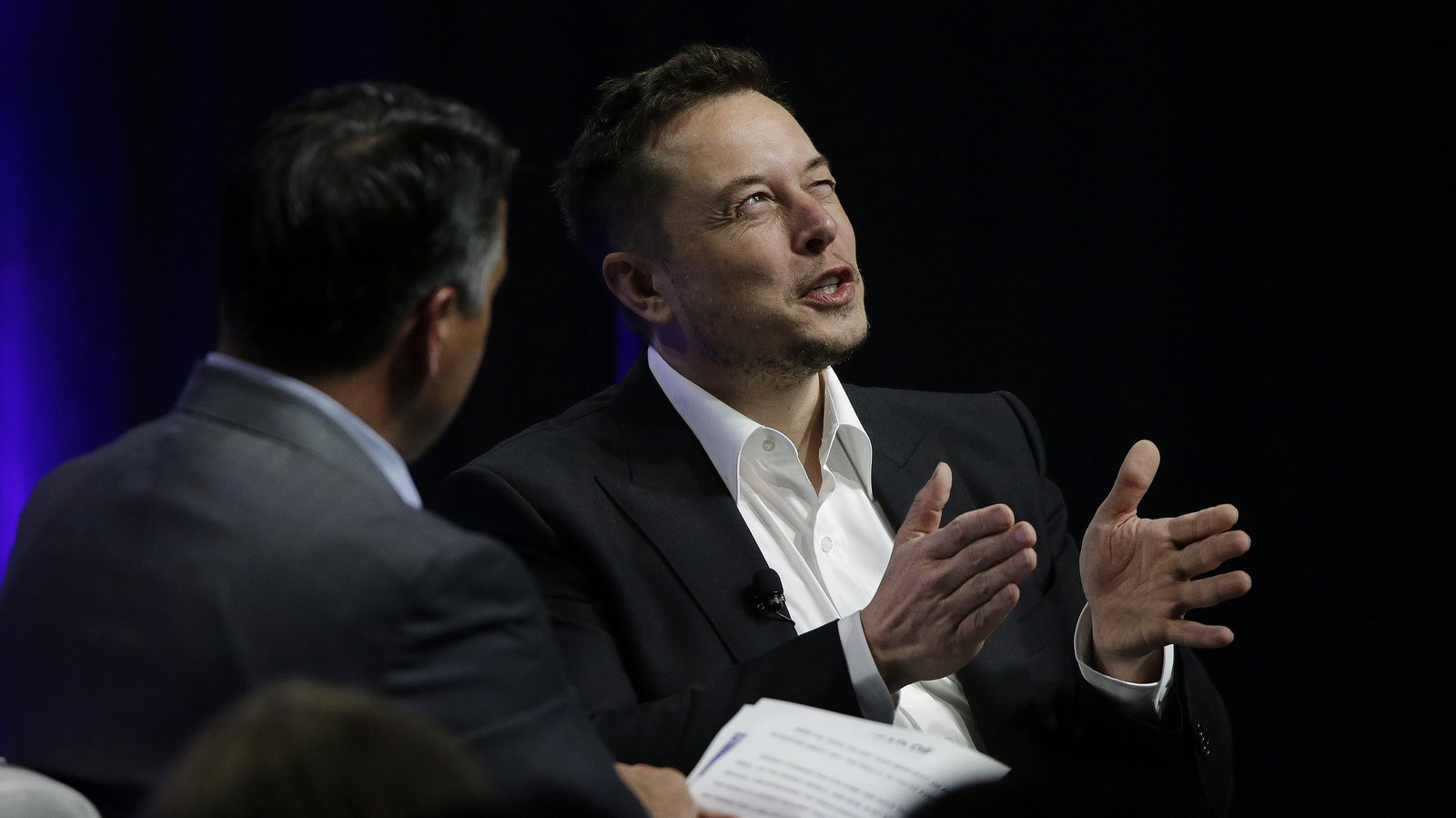
Elon Musk has unveiled an ambitious plan to bring semiconductor manufacturing in-house across Tesla and SpaceX operations, centering on a massive vertically integrated “Terafab” facility designed to produce advanced artificial intelligence chips at unprecedented scale, reflecting a broader push to reduce reliance on foreign suppliers and secure domestic control over critical technology infrastructure; the initiative comes as demand for AI chips tied to autonomous driving, robotics, and space-based computing far outpaces current global production capacity, prompting Musk to argue that existing supply chains—dominated by overseas foundries—cannot meet future needs, and that only a U.S.-based, fully integrated manufacturing ecosystem can sustain the technological ambitions of next-generation industries.
Sources
https://techcrunch.com/2026/03/22/elon-musk-unveils-chip-manufacturing-plans-for-spacex-and-tesla/
https://www.reuters.com/business/autos-transportation/musk-says-teslas-gigantic-chip-fab-project-launch-seven-days-2026-03-14/
https://www.livemint.com/technology/tech-news/elon-musk-says-tesla-s-terafab-ai-chip-manufacturing-project-to-launch-next-week-11773498279882.html
Key Takeaways
- Musk is moving toward full vertical integration, aiming to design, manufacture, and package AI chips domestically rather than relying on foreign suppliers.
- The scale of demand from autonomous vehicles, robotics, and space-based computing is driving a shift toward massive, centralized chip production facilities.
- The initiative reflects broader geopolitical and economic concerns about supply chain vulnerability and technological dependence on overseas fabrication.
In-Depth
The push to establish a domestic semiconductor manufacturing capability under Tesla and SpaceX marks a significant escalation in how major American technology players view supply chain security and long-term competitiveness. For years, advanced chip production has been concentrated in overseas facilities, particularly in Asia, leaving U.S.-based companies dependent on external partners for the most critical components powering artificial intelligence systems. Musk’s plan directly challenges that model, favoring an aggressive return to vertically integrated production that places control of design, fabrication, and deployment under one roof.
At the center of this effort is the proposed “Terafab,” a large-scale facility intended to produce AI chips at volumes far exceeding current internal capabilities. The rationale is straightforward: Tesla’s ambitions in autonomous driving, combined with its push into humanoid robotics, require a level of compute power that existing suppliers cannot reliably provide at scale. Meanwhile, SpaceX’s growing interest in deploying AI infrastructure beyond Earth—particularly through satellite networks and potential space-based data centers—adds another layer of demand that traditional semiconductor pipelines were never designed to handle.
Musk has openly acknowledged that even under optimistic projections, current suppliers would fall short of meeting the company’s future needs. That reality has driven discussions about building a “gigantic” chip fabrication plant capable of scaling production rapidly, potentially starting with tens of thousands of wafers per month and expanding significantly over time.
From a strategic standpoint, the move reflects a broader shift in thinking across American industry. Control over semiconductor production is no longer just a business concern—it is increasingly viewed as a matter of national economic security. By bringing chip manufacturing closer to home, Musk is positioning his companies to operate with fewer external dependencies while also aligning with a wider push to reestablish domestic leadership in advanced manufacturing.
Still, the undertaking is not without risk. Semiconductor fabrication remains one of the most capital-intensive and technically complex industries in the world, requiring specialized equipment, highly skilled labor, and years of refinement to achieve competitive yields. Even with substantial resources, the path to success is far from guaranteed.
Yet, if executed effectively, the payoff could be transformative—not only for Tesla and SpaceX, but for the broader effort to restore American dominance in the technologies that will define the next era of global competition.