

Close Menu

    Subscribe to Updates

    Get the latest tech news from Tallwire.

      What's Hot

      FBI Warns Americans Foreign Apps May Expose Personal Data to Adversarial Governments

      April 4, 2026

      Energy Race For 2035 Grid Leaves No Clear Winner

      April 4, 2026

      Stanford Study Warns AI Chatbots Pose Risks in Personal Advice Scenarios

      April 4, 2026
      Facebook X (Twitter) Instagram
      • Tech
      • AI
      • Get In Touch
      Facebook X (Twitter) LinkedIn
      TallwireTallwire
      • Tech

        Google Finally Lets Users Change Gmail Addresses After Decades of Restrictions

        April 3, 2026

        Speechify Expands Into Local AI With Windows App Focused On Privacy

        April 3, 2026

        Ring Expands Into AI App Ecosystem Beyond Home Security

        April 3, 2026

        Roku Launches Standalone App for Howdy, Its $2.99 Streaming Service

        April 3, 2026

        Supply Chain Attack Targets Widely Used Open-Source Code Library

        April 2, 2026
      • AI

        Energy Race For 2035 Grid Leaves No Clear Winner

        April 4, 2026

        Stanford Study Warns AI Chatbots Pose Risks in Personal Advice Scenarios

        April 4, 2026

        Sora Shutdown Signals Hard Reality Check For AI Video Hype

        April 4, 2026

        Bluesky Pushes AI Personalization With New Attie Feed-Building Tool

        April 4, 2026

        YouTube CEO Signals Home-Based Creator Economy

        April 4, 2026
      • Security

        FBI Warns Americans Foreign Apps May Expose Personal Data to Adversarial Governments

        April 4, 2026

        Supply Chain Attack Targets Widely Used Open-Source Code Library

        April 2, 2026

        CareCloud Data Breach Raises Fresh Concerns Over Security Of Digital Medical Records

        April 2, 2026

        Apple Claims Lockdown Mode Has Prevented All Known Spyware Attacks Since Launch

        March 29, 2026

        Iranian Hackers Claim Breach Of FBI Director Kash Patel’s Personal Email Account

        March 29, 2026
      • Health

        Meta Finally Held Accountable For Harming Teens, But Real Reform Remains Uncertain

        April 2, 2026

        Jury Verdicts Against Social Media Giants Signal Turning Point In Child Safety Accountability

        April 1, 2026

        U.K. Tests Social Media Bans and Curfews in State Intervention Pilot

        April 1, 2026

        Austria Moves To Ban Social Media For Children Under 14 Amid Growing Global Crackdown

        March 31, 2026

        Study Warns Overly Agreeable AI Chatbots May Mislead Users and Reinforce Harmful Behavior

        March 31, 2026
      • Science

        White House Tech Advisor David Sacks Steps Down To Lead Presidential Science Advisory

        March 31, 2026

        Blue Origin’s Orbital Data Center Push Signals New Frontier in Tech Infrastructure

        March 27, 2026

        Quantum Cryptography Pioneers Awarded Computing’s Highest Honor

        March 25, 2026

        Amazon’s New Robot Looks Like a Toy. That Might Be the Point.

        March 25, 2026

        AI Data Center Boom Drives Shift Toward Liquid Cooling Technology

        March 24, 2026
      • Tech

        Zuckerberg Quietly Offers Musk Support As Tech Titans Align Around Government Power

        April 4, 2026

        White House Tech Advisor David Sacks Steps Down To Lead Presidential Science Advisory

        March 31, 2026

        Another Billionaire Signals Exit As California’s Taxes Drives Out High-Profile Entrepreneurs

        March 28, 2026

        Bezos Eyes $100 Billion War Chest To Rewire Legacy Industry With AI

        March 28, 2026

        Blue Origin’s Orbital Data Center Push Signals New Frontier in Tech Infrastructure

        March 27, 2026
      TallwireTallwire
      Home»Science»NASA Clears Smartphones for Artemis Moon Mission
      Science

      NASA Clears Smartphones for Artemis Moon Mission

      Updated:February 21, 20264 Mins Read
      Facebook Twitter Pinterest LinkedIn Tumblr Email
      Space Investment Ushers In New Era: VCs No Longer Need Rocket Science
      Space Investment Ushers In New Era: VCs No Longer Need Rocket Science
      Share
      Facebook Twitter LinkedIn Pinterest Email

      NASA has announced that for the first time in its history, astronauts will be allowed to bring their personal smartphones—including iPhones and Android devices—on upcoming spaceflights, beginning with the Crew-12 mission to the International Space Station and the Artemis II mission around the Moon, overturning decades of protocol that restricted personal consumer electronics due to safety and certification concerns and opening the door for more spontaneous and higher-quality photos and videos from space as part of a broader shift toward modern hardware use on crewed missions.

      Sources

      https://techcrunch.com/2026/02/05/nasa-astronauts-can-now-bring-their-phones-with-them-on-their-mission-to-the-moon/
      https://www.techbuzz.ai/articles/nasa-clears-smartphones-for-moon-mission-after-decades
      https://www.ibtimes.co.uk/nasa-allows-iphones-artemis-moon-mission-which-iphone-could-fly-why-smartphones-are-now-being-1776757

      Key Takeaways

      • NASA has revised longstanding spaceflight rules to let astronauts carry personal smartphones on missions like Crew-12 (to the ISS) and Artemis II (around the Moon).
      • Modern smartphone cameras from iPhones and Android devices are expected to replace older imaging gear, potentially improving public engagement and documentation.
      • The policy shift reflects a broader trend of quicker hardware approvals and integration of consumer technology in space exploration.

      In-Depth

      NASA’s recent decision to allow astronauts to carry their personal smartphones on select missions marks a notable evolution in the agency’s approach to onboard technology. For over six decades, NASA maintained strict restrictions on what crew members could bring aboard spacecraft, particularly regarding consumer electronics. These rules stemmed from legitimate safety concerns: consumer devices were historically viewed as potential sources of electromagnetic interference, flammability risks, or off-gassing problems that could jeopardize spacecraft avionics and life-support systems. The traditional approach saw crews rely on purpose-built imaging gear that often lagged behind modern technology, including decade-old Nikon DSLRs or GoPros that did not reflect current consumer capabilities.

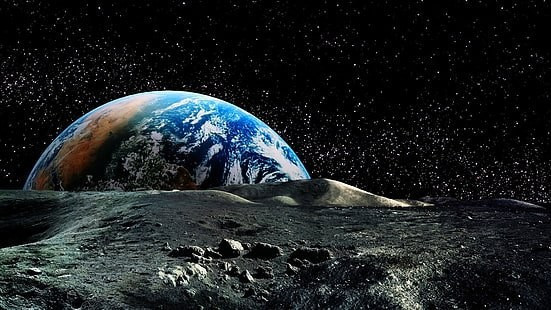
      That changed in early February 2026 when NASA announced approvals for personal smartphones—both iPhones and Android models—to be carried by the astronauts scheduled for the Crew-12 mission to the International Space Station and the highly anticipated Artemis II lunar flyby mission. The Artemis II mission, planned for March 2026, will be the first crewed lunar flyby since the Apollo era, carrying a four-person crew farther from Earth than any humans have traveled in over 50 years. Allowing smartphones marks a more permissive and modern stance on what technology astronauts can use to document and share their experiences in orbit and around the Moon.

      NASA administrator Jared Isaacman framed the policy shift as giving crews “the tools to capture special moments for their families and share inspiring images and video with the world,” indicating an embrace of higher-quality, spontaneous photography and videography from deep space. In practical terms, this change could lead to unprecedented public engagement, as images and video captured on consumer devices are likely to be shared broadly and rapidly, helping bridge the gap between space missions and global audiences on Earth. The decision also reflects an agency adapting to the pace of technology development; it signifies a willingness to expedite qualification processes that once lagged years behind civilian tech cycles, ensuring that cutting-edge capabilities are available even in the demanding environment of space.

      This modernizing move aligns with broader trends in space exploration where consumer technology plays a larger role. For example, even private spaceflight initiatives have routinely included smartphones in mission gear, setting a precedent that NASA’s government-operated missions now follow. While there remain technical and safety challenges unique to spaceflight, NASA’s shift suggests confidence that modern smartphones can meet stringent requirements without compromising mission integrity. As the Artemis program progresses toward future lunar landings and sustained human presence beyond low Earth orbit, including planned missions like Artemis III and beyond, the incorporation of familiar technology like smartphones could help humanize space exploration and enhance how these historic ventures are captured and remembered back on Earth. Unlike in past decades, future astronauts won’t just rely on specialized cameras—they’ll likely be reaching for the same devices millions of people carry in their pockets, bringing a new era of personal documentation to the final frontier.

      iPhone
      Share. Facebook Twitter Pinterest LinkedIn Tumblr Email
      Previous ArticleSubstack Users’ Contact Data Compromised in Months-Old Security Breach
      Next Article SpaceX Acquires xAI in Record-Setting Merger, Pivots Toward Space-Based AI Data Centers

      Related Posts

      Energy Race For 2035 Grid Leaves No Clear Winner

      April 4, 2026

      FBI Warns Americans Foreign Apps May Expose Personal Data to Adversarial Governments

      April 4, 2026

      Stanford Study Warns AI Chatbots Pose Risks in Personal Advice Scenarios

      April 4, 2026

      Zuckerberg Quietly Offers Musk Support As Tech Titans Align Around Government Power

      April 4, 2026
      Add A Comment
      Leave A Reply Cancel Reply

      Editors Picks

      Google Finally Lets Users Change Gmail Addresses After Decades of Restrictions

      April 3, 2026

      Speechify Expands Into Local AI With Windows App Focused On Privacy

      April 3, 2026

      Ring Expands Into AI App Ecosystem Beyond Home Security

      April 3, 2026

      Roku Launches Standalone App for Howdy, Its $2.99 Streaming Service

      April 3, 2026
      Popular Topics
      Satya Nadella Taiwan Tech Viral SpaceX Tesla Cybertruck UAE Tech Sundar Pichai Sam Altman Quantum computing Robotics Series A Ransomware Series B Software Startup Samsung trending Tesla Tim Cook spotlight
      Major Tech Companies
      • Apple News
      • Google News
      • Meta News
      • Microsoft News
      • Amazon News
      • Samsung News
      • Nvidia News
      • OpenAI News
      • Tesla News
      • AMD News
      • Anthropic News
      • Elbit News
      AI & Emerging Tech
      • AI Regulation News
      • AI Safety News
      • AI Adoption
      • Quantum Computing News
      • Robotics News
      Key People
      • Sam Altman News
      • Jensen Huang News
      • Elon Musk News
      • Mark Zuckerberg News
      • Sundar Pichai News
      • Tim Cook News
      • Satya Nadella News
      • Mustafa Suleyman News
      Global Tech & Policy
      • Israel Tech News
      • India Tech News
      • Taiwan Tech News
      • UAE Tech News
      Startups & Emerging Tech
      • Series A News
      • Series B News
      • Startup News
      Tallwire
      Facebook X (Twitter) LinkedIn Threads Instagram RSS
      • Tech
      • Entertainment
      • Business
      • Government
      • Academia
      • Transportation
      • Legal
      • Press Kit
      © 2026 Tallwire. Optimized by ARMOUR Digital Marketing Agency.

      Type above and press Enter to search. Press Esc to cancel.