

In a compelling development highlighting how rapidly our once-simple home fixtures have evolved into potential national concerns, experts reveal that modern solar inverters—far more than just power converters—are increasingly becoming cybersecurity targets; this is underscored by a CISA advisory about vulnerabilities in EG4’s inverters, concerns over undocumented communication devices in Chinese-made equipment that could allow stealthy breaches, and broadened scrutiny of the residential solar sector’s resilience. Taken together, these findings suggest that while rooftop solar has helped push energy independence forward, it now also introduces new security challenges that demand prudent oversight, stronger standards, and strategic safeguards.
Sources: Politico, Reuters, TechCrunch
Key Points:
– Smart inverters now serve as data gateways, not just energy converters—exposing home systems to network-based cyber vulnerabilities.
– Chinese-made inverters raise supply chain red flags: hidden communication modules may permit remote control or shutdowns, posing infrastructure risks.
– Policy scrutiny is intensifying: while residential solar still qualifies for certain incentives, heightened security issues may lead to tighter rules or reduced subsidies.
In-Depth
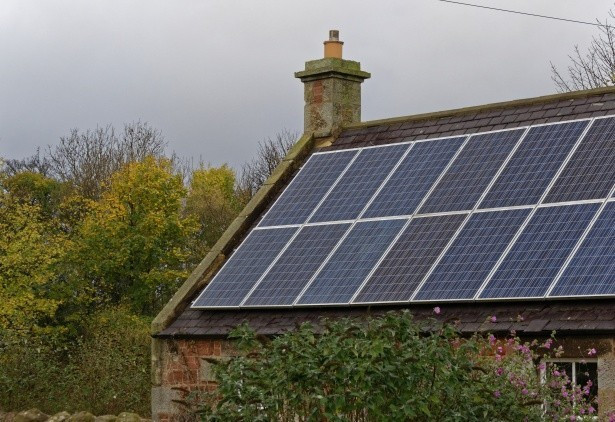
What was once hailed as a purely environmental and cost-saving measure—installing solar panels on rooftops—has now become the focus of serious national security discussions. The issue is not the panels themselves, but the “smart inverters” that convert solar energy into usable electricity. These devices, increasingly connected to the internet, can also act as gateways into larger networks. According to recent reporting, the Cybersecurity and Infrastructure Security Agency (CISA) has already flagged vulnerabilities in EG4’s inverters, exposing how easily these systems could be exploited.
The concerns go beyond faulty code. Investigations revealed undocumented communication modules hidden in some Chinese-made inverters, devices that could be remotely accessed without detection. Such backdoors represent a direct risk: hostile actors could, in theory, disable thousands of systems simultaneously, destabilizing portions of the grid. For a nation striving for energy independence, this is a stark reminder that not all “green” solutions come without hidden costs.
Lawmakers and regulators are beginning to take notice. The broader debate over subsidies for renewable projects—recently limited by the federal government—is now tied to these security questions. While rooftop solar remains a symbol of innovation and individual empowerment, policymakers must confront the reality that foreign-manufactured equipment can introduce vulnerabilities into critical infrastructure.
The promise of solar power is real, but so are the risks. As the U.S. continues its energy transition, a conservative approach would call for tougher standards, transparent supply chains, and a sober recognition that even the smallest rooftop device may have national implications.