

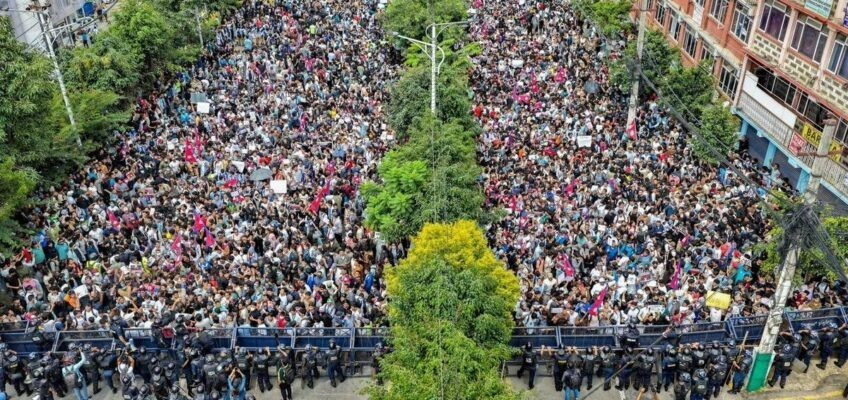
Nepal’s recent move—on September 4, 2025—to block access to 26 major social media platforms such as Facebook, X, YouTube, Instagram, and Reddit by citing their failure to register with the Ministry of Communication and Information Technology sparked immediate backlash: tens of thousands, especially Gen Z, flooded the streets in Kathmandu to protest the restrictions, clashing with security forces who used water cannons, tear gas, rubber bullets, and even live ammunition—leading to at least 17 to 19 deaths and hundreds injured. Amid the crackdown, VPN signups spiked as citizens scrambled to restore online access, though authorities cautioned against indiscriminate usage citing security risks.
Sources: AP News, Times of India, Kathmandu Post
Key Takeaways
– Demand for connectivity is powerful—the surge in VPN usage reflects public determination to circumvent restrictions and maintain access to information and communication.
– Regulation vs. freedom friction—this episode vividly illustrates the tension between efforts to curb misinformation and the preservation of civil liberties like free speech.
– Youth in the political arena—Gen Z’s prominent role in organizing and protesting highlights a rising generation unwilling to be silenced by sweeping governmental controls.
In-Depth
Nepal’s recent crackdown on social media—justified by the government as a necessary step to enforce a Supreme Court-backed requirement for foreign platforms to register locally—took effect on September 4, 2025. Platforms including Facebook, Instagram, X, YouTube, LinkedIn, and Reddit were ordered blocked when they failed to comply. Platforms like TikTok and Viber had registered and continued operation, highlighting a selective enforcement strategy.
The reaction was swift and palpable: Youth, particularly members of Gen Z, mobilized in massive protests, denouncing these restrictions as censorship and a threat to freedom of expression. “Stop corruption, not social media,” became a rallying cry near the parliament building in Kathmandu. Clashes with security forces escalated quickly, with tear gas, water cannons, rubber bullets—and in some cases, live fire—used to disperse crowds. Reports place the death toll between 17 and 19, with many more injured.
As social media vanished from access, VPN services experienced an extraordinary global uptick—Mashable reports an astonishing 8,000% increase in downloads as users sought paths around restrictions. Yet authorities weren’t comfortable with this workaround: Nepal’s Cyber Bureau cautioned citizens about the online dangers of unverified VPN use—such as data breaches, malware, and phishing attacks.
What started as an administrative requirement evolved into a standoff over governance, digital rights, and national identity—one where technology became both a flashpoint and shield. The protests underscore how social media—and the tools used to access it—now shape civic life and power dynamics in 21st-century democracies.