

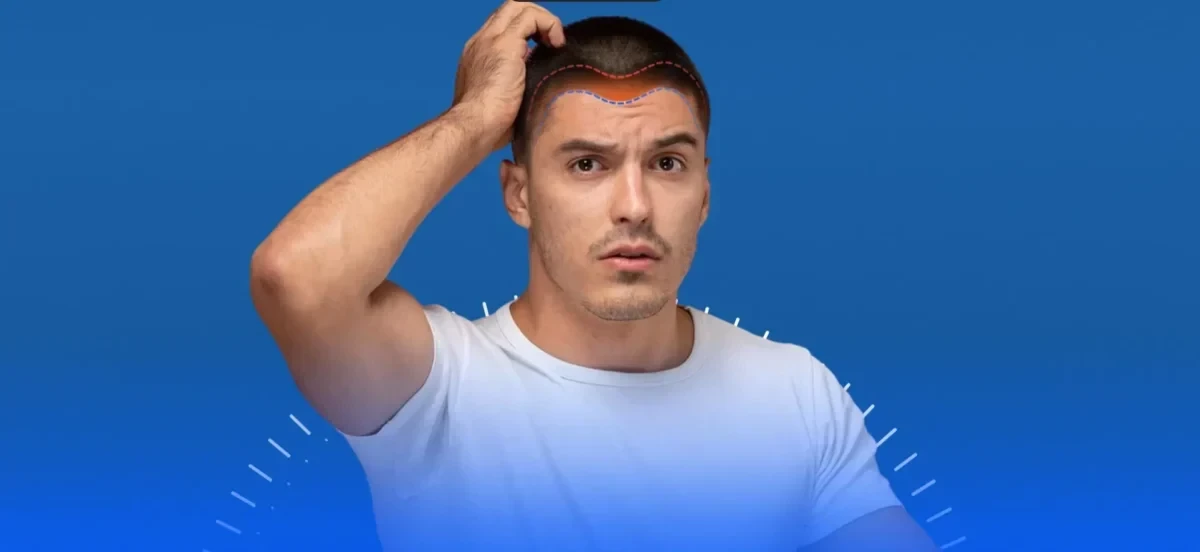
A new startup called MyHair AI is using artificial intelligence to analyze scalp photos for signs of hair loss — potentially helping users separate genuine thinning from overhyped treatments. The app has already processed over 300,000 head-images, claims several hundred thousand users, and offers personalized hair-loss tracking and reviews of clinics and treatments. The founders say the goal is to bring transparency and medical accuracy to what they describe as a chaotic, misinformation-filled $50 billion hair-care industry.
Sources: Yahoo Tech, CXO Today
Key Takeaways
– MyHair AI enables users to upload photos of their scalp to assess hair-density and detect early hair loss, helping avoid misleading claims from stylists or clinics.
– The platform claims to offer clinical validation, personalized progress tracking over time, and vetted reviews of clinics and treatments to reduce scams.
– With thousands of users already and hundreds of thousands of photos analyzed, MyHair AI suggests this niche — diagnosing balding via AI — is scaling rapidly and may reshape how consumers approach hair-loss solutions.
In-Depth
Let’s be real — hair loss can stir up anxiety. A comment from a barber or a fleeting mousse commercial can set off a chain reaction of worry and impulsive buying: shampoos with big promises, “miracle” treatments, and shady clinics that guarantee results. That’s the world the founders of MyHair AI say they want to disrupt.
MyHair AI was born out of a personal experience. Around two years ago, co-founder Cyriac Lefort was at a haircut when his stylist remarked casually, “You’re starting to lose a bit of hair.” It caught him off guard — he thought he was fine. Later, after consulting a dermatologist, he discovered he wasn’t actually balding. He realized that too often people are pushed toward treatments or products based on anecdotal or emotional triggers — not evidence.
With that in mind, Lefort and his partner Tilen Babnik built MyHair AI. The app works like this: you snap photos of your scalp from multiple angles and upload them. The AI then analyzes hair density and identifies early signs of thinning. As you upload more over time, it can track changes — giving you a personalized, visual history of hair loss (or lack thereof). Even better, the app lists vetted clinics and treatments with verified reviews, so you’re not left scavenging the internet for reputable options.
What makes the service stand out is the claim to clinical and scientific validation: the model was reportedly trained on over 300,000 hair images and continues to grow. The founders say they’ve already logged hundreds of thousands of scalp-photos, have more than 200,000 user accounts and a solid base of paying subscribers — a strong indication that demand is real. On top of that, MyHair AI is positioning itself as a disruptor of the roughly $50 billion global hair-care and hair-loss market. By offering diagnostic clarity and transparent clinic/treatment reviews, it challenges the business model of stylists, online ads, and unregulated “miracle” treatments that profit from fear and uncertainty.
Down the road, that could mean fewer people wasting money on products or procedures they don’t need — and more people getting honest assessments and, when warranted, properly vetted treatments. For anyone worried about thinning hair, MyHair AI offers a data-driven alternative: objective analysis rather than emotional impulse, and a clearer path forward rather than hype.