

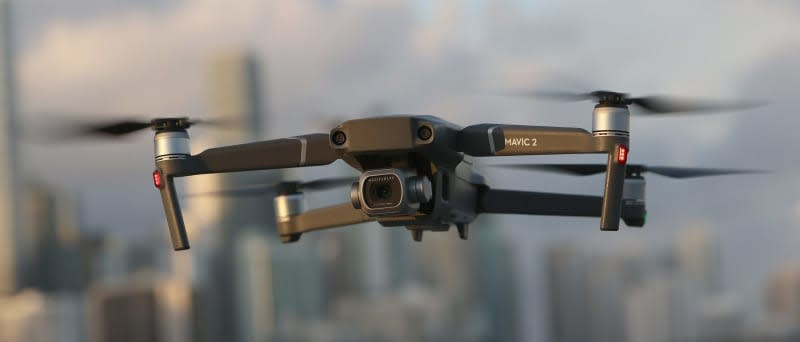
The Chinese drone maker DJI is on the brink of being banned from the U.S. market. Under the 2025 National Defense Authorization Act (NDAA), all new imports of DJI products — including drones, cameras, and any device with wireless radios — would automatically be prohibited after December 23, 2025, unless a federal national-security agency completes a formal security audit and clears the company. The Federal Communications Commission (FCC) also recently voted to let itself retroactively ban previously authorized DJI devices if the company ends up on its “Covered List.” Retail availability in the U.S. has already shrunk significantly, and DJI itself is urging users to contact lawmakers, calling the impending ban “unfair” and “based on politics rather than evidence.”
Key Takeaways
– Unless the U.S. intelligence community finishes a security audit by December 23, 2025, DJI will be automatically added to the FCC Covered List — triggering a full prohibition on new product imports and potentially retroactive bans.
– The FCC’s recent 3-0 vote grants it authority to ban devices from companies deemed national-security threats, meaning previously legal DJI products could also face prohibition.
– Retail shelves in the U.S. are already mostly bare of DJI gear, and the company is urging customers to pressure lawmakers to prevent what it calls a politically driven crackdown without public evidence.
In-Depth
As of late November 2025, the situation for DJI in the U.S. has moved from looming threat to imminent reality. The NDAA passed in late 2024 set a firm deadline — December 23, 2025 — for a national-security agency to conduct a formal audit of DJI. That review was supposed to determine whether the company poses “unacceptable national-security risks.” If no agency steps up, DJI will be automatically added to the FCC’s Covered List, which would ban import and sale of all new DJI products. A recent vote by the FCC strengthened that future ban by authorizing the commission to retroactively revoke approval for devices previously cleared — meaning that even DJI drones already in circulation could be affected.
According to observers of the drone industry, this could be a devastating blow. DJI currently accounts for an estimated 70% of the commercial drone market in the U.S., and as much as 90% of drones used in emergency response, agriculture, and mapping. Many American farmers, first responders, surveyors, and real-estate professionals rely on DJI’s affordable, high-quality drones. With the ban, they may face severe disruption — and no viable, competitively priced American or non-Chinese alternative exists at the moment.
Consumers have noticed. In many large retailers and online outlets, DJI drones have become scarce or entirely unavailable. According to coverage, DJI’s recently announced Mavic 4 Pro, Mini 5 Pro, and Neo 2 — among the company’s most advanced drones to date — have been skipped in the U.S. rollout, likely anticipating the ban. Even camera equipment and other wireless devices from DJI are being withheld.
DJI itself has responded publicly, urging the American user base — ranging from hobbyists to commercial operators — to “make their voices heard.” The company argues the audit process is overdue, and that banning them without public evidence sets a dangerous precedent. Until a security agency formally clears them, though, the clock keeps ticking.
On December 23, unless something changes, what has long been the backbone of U.S. commercial and consumer drone flights could be grounded. Whether that outcome will stand or be delayed remains to be seen, but for now the message is clear: time is running out.