

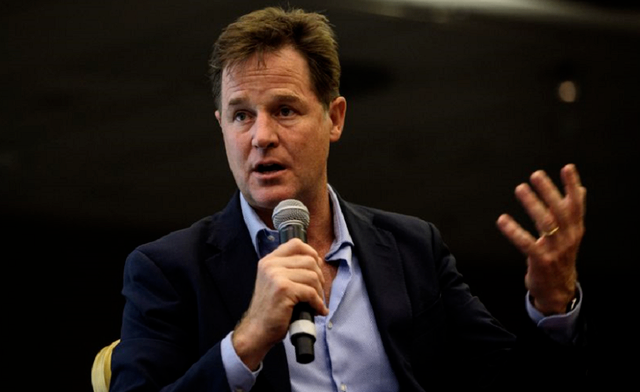
Nick Clegg, former UK deputy prime minister and ex-Meta policy chief, steps onto the stage again with a subtle but pointed critique of tech culture, labeling Silicon Valley “cloyingly conformist” and rife with “herd-like behavior.” While promoting his forthcoming book How to Save the Internet, Clegg cautiously distances himself from outright condemnation of Meta—saying he wouldn’t have joined the company had he found its leaders monstrous—but doesn’t shy away from observations about the valley’s unsettling mix of privilege, machismo, and self-pity, where conformity trumps innovation and equality can feel oppressive to those unaccustomed to it.
Sources: The Guardian, Tech Crunch
Key Takeaways
– Nick Clegg critiques Silicon Valley’s culture of sameness by calling it “cloyingly conformist,” where people mimic each other in fashion, habits, and thought trends.
– He highlights a disconnect where affluent tech elites—“tech bros”—paradoxically see themselves as victims in spite of their outsized power and privilege.
– While critical, Clegg still defends the transformative potential of social media and avoids casting his former colleagues at Meta as monsters.
In-Depth
Nick Clegg has long been recognized for his centrist approach in politics—and lately, in tech too. With his new book How to Save the Internet on the horizon, Clegg offers a measured critique of Silicon Valley, one that steers clear of dramatic scandal but underscores a deeper problem: cultural uniformity.
Describing the region as “cloyingly conformist,” Clegg observes how innovation is undermined when everyone wears the same brands, listens to the same podcasts, and chases the same fleeting trends. He doesn’t cast his former employer in the harshest light—asserting, for example, that he wouldn’t have joined Meta if its leadership were genuinely monstrous—but he doesn’t flinch from critiquing a pervasive sense of victimhood among its elite. He captures the strange irony of privilege so entrenched that calls for equality can feel threatening.
Yet Clegg still sees promise. He reaffirms that social media, for all its faults, has unlocked unparalleled communication opportunities for billions. His challenge isn’t to tear the internet down—it’s to preserve its openness and complexity in a world increasingly inclined toward echo chambers, regulation, and groupthink. His voice, shaped by years in politics and tech, brings a centrist pragmatism that warns: guarding the internet’s future means embracing diversity of thought—even in the heart of the valley.