

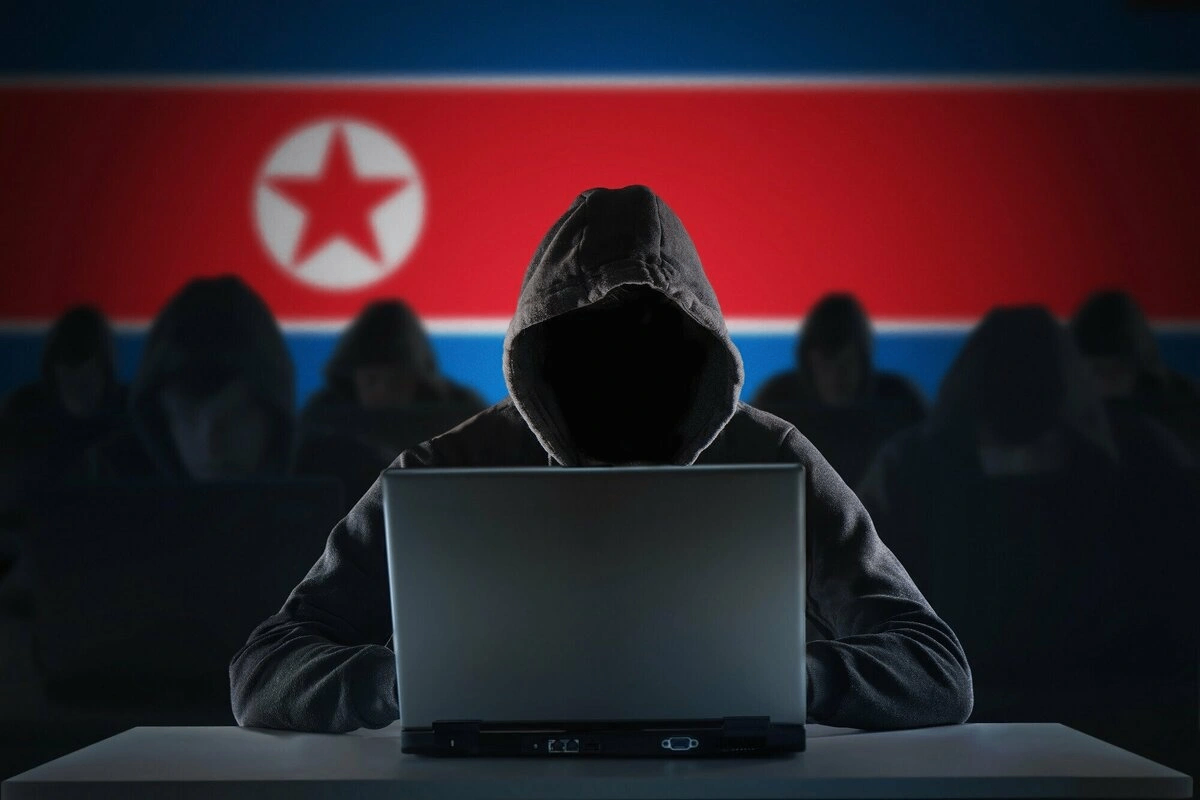
North Korean state-sponsored hacking group Kimsuky is employing a novel spear-phishing technique that embeds malicious links in QR codes—coined “quishing”—to steal credentials and sensitive information from U.S. government entities, academic institutions, think tanks, and foreign policy experts, according to a recent FBI alert. The method works by delivering phishing emails that contain QR codes which, when scanned, redirect unsuspecting victims’ mobile devices to fake login pages mimicking Microsoft 365, Okta, or VPN portals, often evading traditional email and network defenses. Security analysts stress that this attack vector is especially dangerous because it leverages unmanaged mobile devices outside enterprise protection and can even bypass multi-factor authentication once session tokens are harvested. International authorities, including South Korea’s cybersecurity agency, have issued similar warnings about QR code-based phishing linked to North Korean cyber operatives. Expert recommendations emphasize heightened vigilance toward unsolicited QR codes and bolstered layered defenses for targeted organizations.
Sources:
https://www.theepochtimes.com/us/north-korean-hackers-using-qr-codes-to-steal-sensitive-information-fbi-5969250
https://thehackernews.com/2026/01/fbi-warns-north-korean-hackers-using.html
https://www.webpronews.com/north-korean-hackers-deploy-malicious-qr-codes-in-phishing-attacks-on-us-targets/
Key Takeaways
- QR Codes as a New Phishing Vector: North Korea’s Kimsuky has adapted traditional spear-phishing by embedding malicious URLs inside QR codes, tricking victims into scanning with mobile devices and bypassing email security controls.
- Targets of Strategic Importance: The campaign is focused on high-value U.S. targets such as government agencies, think tanks, academic institutions, and foreign policy researchers, indicating a priority on intelligence collection rather than random financial theft.
- Security Gaps Exploited: Because QR code links typically evade URL inspection and are accessed via mobile devices outside endpoint detection systems, these “quishing” attacks can steal credentials and session tokens that may even bypass multi-factor authentication protections.
In-Depth
As cybersecurity threats evolve, nation-state actors are constantly refining their tactics to infiltrate sensitive networks. In its Jan. 8 public advisory, the Federal Bureau of Investigation (FBI) sounded the alarm on an emerging spear-phishing method from the North Korean state-sponsored cyber group Kimsuky that weaponizes malicious QR codes to harvest credentials and other sensitive data. Often dismissed as convenient shortcuts to web pages, QR codes have become a stealthy means for adversaries to redirect unsuspecting users to attacker-controlled sites. In these “quishing” campaigns, phishing emails arrive disguised as communications from trusted entities and include embedded QR images or attachments. When scanned with a mobile device, these codes lead victims to fake Microsoft 365, Okta, or VPN login pages crafted to resemble legitimate services. Because the initial interaction often occurs on a personal phone or tablet, enterprise malware defenses—like endpoint detection and response tools—are unable to intercept the harmful traffic.
This adaptation is not just a cybersecurity curiosity but a strategic threat. By harvesting credentials and session tokens, practitioners can sidestep multi-factor authentication systems, giving attackers a foothold into cloud accounts long enough to pivot and launch secondary attacks from within trusted corporate ecosystems. The FBI’s alert underscores that this campaign is not broad but intentional, aimed at think tanks, universities, and government organizations involved with foreign policy and national security issues. South Korea’s internet security agency has echoed similar warnings, confirming that QR-based phishing attacks tied to North Korean hackers are on the rise.
In response, cybersecurity experts and federal agencies are pushing organizations to adopt multi-layered defenses, including mobile device management, employee training on avoiding unsolicited QR code scans, and augmented monitoring on mobile traffic. Absent such mitigations, the deceptively simple QR code could become a potent backdoor into America’s most critical information networks.