

Close Menu

    Subscribe to Updates

    Get the latest creative news from FooBar about art, design and business.

    What's Hot

    Utah Launches First-Ever AI Prescription Pilot in the U.S., Sparking Debate on Safety and Innovation

    January 13, 2026

    EU Widens Tech Crackdown, Targeting Musk’s Grok and TikTok Over Alleged AI Law Violations

    January 13, 2026

    Malicious Chrome Extensions Compromise 900,000 Users’ AI Chats and Browsing Data

    January 12, 2026
    Facebook X (Twitter) Instagram
    • Tech
    • AI News
    Facebook X (Twitter) Instagram Pinterest VKontakte
    TallwireTallwire
    • Tech

      Malicious Chrome Extensions Compromise 900,000 Users’ AI Chats and Browsing Data

      January 12, 2026

      Wearable Health Tech Could Create Over 1 Million Tons of E-Waste by 2050

      January 12, 2026

      Viral Reddit Food Delivery Fraud Claim Debunked as AI Hoax

      January 12, 2026

      Activist Erases Three White Supremacist Websites onstage at German Cybersecurity Conference

      January 12, 2026

      AI Adoption Leaders Pull Ahead, Leaving Others Behind

      January 11, 2026
    • AI News
    TallwireTallwire
    Home»Tech»Nvidia Pauses H20 AI Chip Production After Chinese Authorities Raise Security Flags
    Tech

    Nvidia Pauses H20 AI Chip Production After Chinese Authorities Raise Security Flags

    Updated:December 25, 20252 Mins Read
    Facebook Twitter Pinterest LinkedIn Tumblr Email
    Nvidia Pauses H20 AI Chip Production After Chinese Authorities Raise Security Flags
    Nvidia Pauses H20 AI Chip Production After Chinese Authorities Raise Security Flags
    Share
    Facebook Twitter LinkedIn Pinterest Email

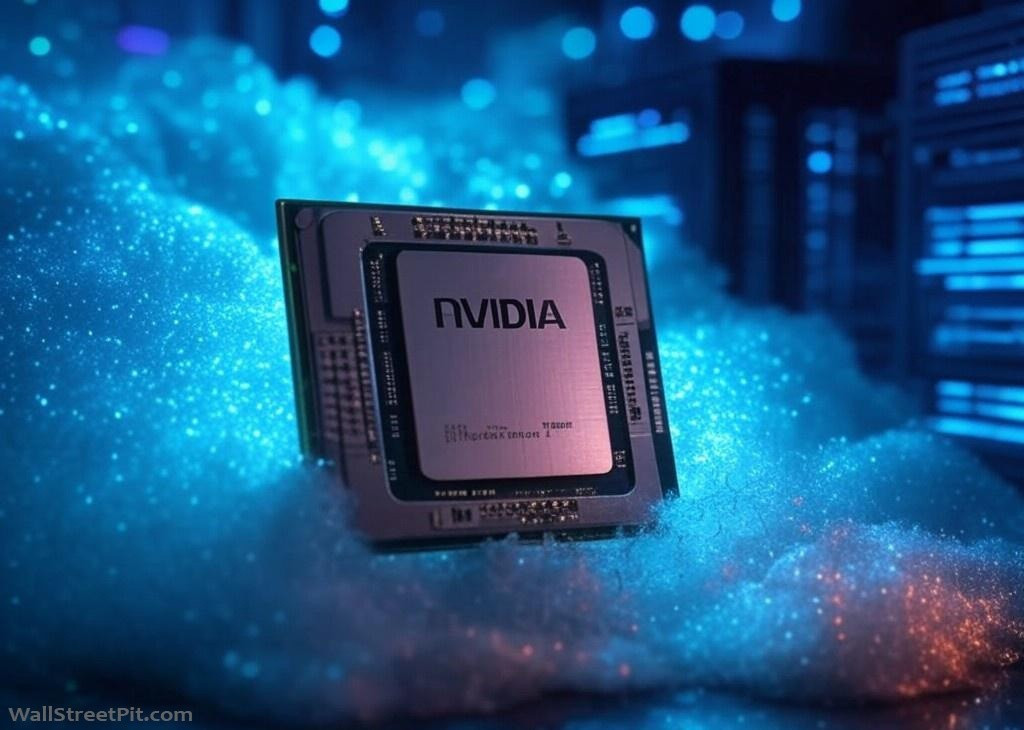
    Nvidia has reportedly instructed its suppliers to pause production of the H20 AI chip—a variant developed specifically for the Chinese market to comply with U.S. export restrictions—after Chinese regulators urged local firms to avoid the chip amid growing security concerns. The move comes despite prior approval to resume chip exports, and Nvidia insists the H20 contains no “backdoors” or remote-control vulnerabilities. The production halt underscores mounting geopolitical tensions and may shift the company’s China-focused strategy toward a successor chip architecture pending U.S. government approval.

    Sources: Reuters, TechCrunch, Wall Street Journal

    Key Takeaways

    – Nvidia told key suppliers—including Amkor, Samsung, and Foxconn—to suspend work on the H20 chip following directives from Chinese authorities urging domestic companies to avoid using it.

    – The H20 was developed as a lower-performance, export-compliant alternative for China; Nvidia denies any embedded security risks or remote access features.

    – Amid the halt, Nvidia is developing a successor based on its Blackwell architecture (the B30A chip), which still awaits U.S. government clearance before being marketed in China.

    In-Depth

    In a strategic pivot shaped by international pressure, Nvidia has hit the brakes on its H20 chip production—a variant specifically engineered for China’s tightly regulated market. Previously cleared for export under U.S. rules (involving a revenue-sharing arrangement), the H20 had aimed to restore Nvidia’s technological foothold in China. But Beijing’s recent caution—urging firms like Tencent and ByteDance to avoid using the chip over alleged security risks—prompted Nvidia to quietly instruct key suppliers (Samsung, Amkor, Foxconn) to suspend related production. The company quickly refuted claims of any embedded “backdoors” or hidden controls, stressing that the H20 was intended solely for commercial use.

    This production freeze arrives amid heightened U.S.–China tech tensions, complicated further by export rules and domestic ambitions. Nvidia seems to be taking a cautious yet forward-looking approach by quietly developing a new chip—based on its advanced Blackwell architecture—designed to meet both American export protocols and Chinese market demands. That successor, the B30A, remains pending U.S. approval before deployment.

    The pause underscores the fragility of cross-border tech cooperation when strategic security and policy concerns collide. As Nvidia navigates these choppy waters, its ability to innovate within regulatory limits—and retain global partnerships—will be critical for its long-term positioning in both markets.

    Share. Facebook Twitter Pinterest LinkedIn Tumblr Email
    Previous ArticleNvidia Introduces Rubin CPX: A Groundbreaking GPU for Massive-Context AI Workloads
    Next Article Nvidia Presses Pause on H20 AI Chip Production Amid Beijing’s Security Backlash

    Related Posts

    Malicious Chrome Extensions Compromise 900,000 Users’ AI Chats and Browsing Data

    January 12, 2026

    Wearable Health Tech Could Create Over 1 Million Tons of E-Waste by 2050

    January 12, 2026

    Viral Reddit Food Delivery Fraud Claim Debunked as AI Hoax

    January 12, 2026

    Activist Erases Three White Supremacist Websites onstage at German Cybersecurity Conference

    January 12, 2026
    Add A Comment
    Leave A Reply Cancel Reply

    Editors Picks

    Malicious Chrome Extensions Compromise 900,000 Users’ AI Chats and Browsing Data

    January 12, 2026

    Wearable Health Tech Could Create Over 1 Million Tons of E-Waste by 2050

    January 12, 2026

    Viral Reddit Food Delivery Fraud Claim Debunked as AI Hoax

    January 12, 2026

    Activist Erases Three White Supremacist Websites onstage at German Cybersecurity Conference

    January 12, 2026
    Top Reviews
    Tallwire
    Facebook X (Twitter) Instagram Pinterest YouTube
    • Tech
    • AI News
    © 2026 Tallwire. Optimized by ARMOUR Digital Marketing Agency.

    Type above and press Enter to search. Press Esc to cancel.