

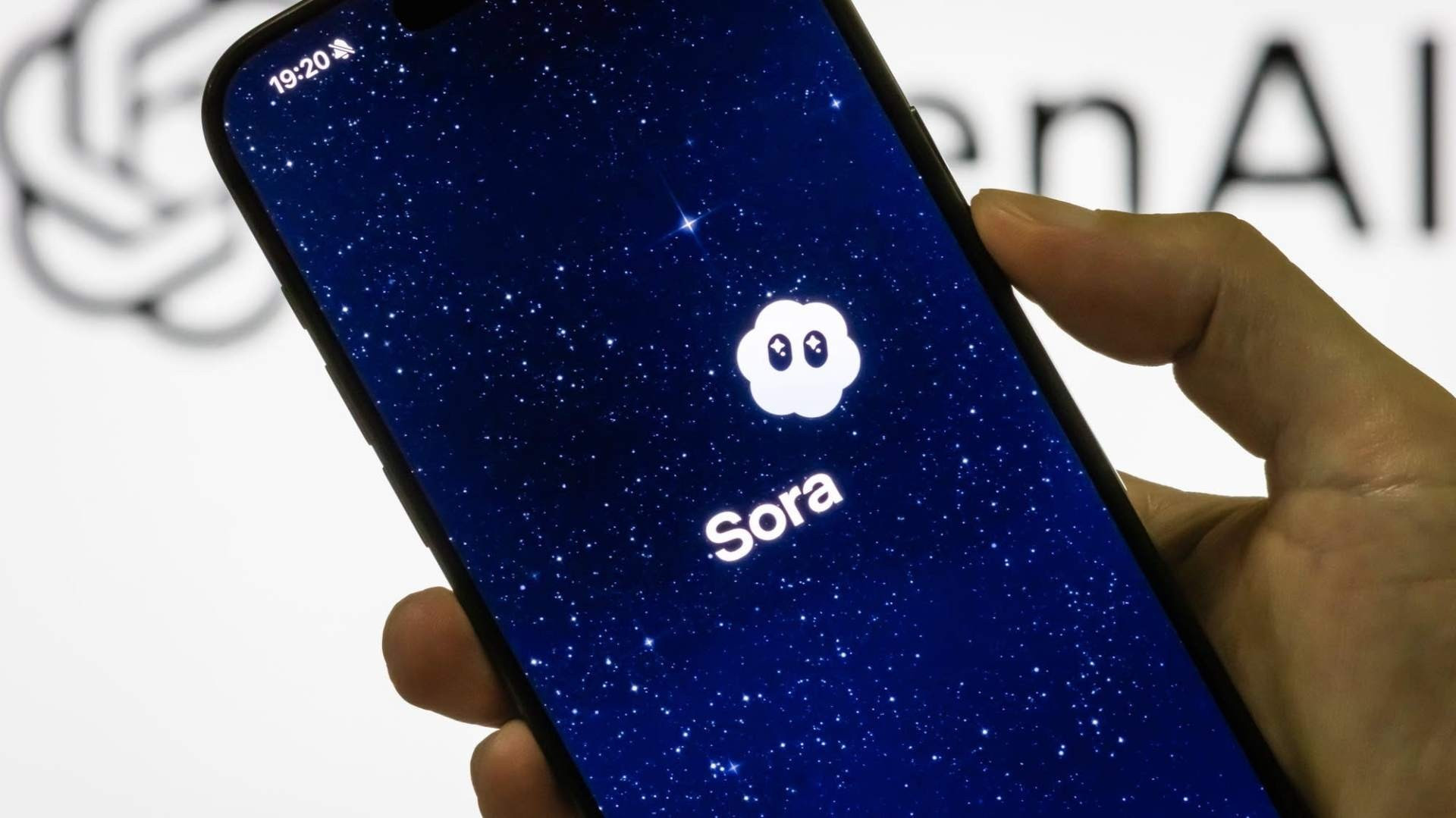
In a major move, OpenAI has officially rolled out its AI-powered video creation app Sora on Android devices in the US, Canada, Japan, Korea, Taiwan, Thailand and Vietnam, following a September iOS launch that hit more than one million downloads in five days. The app blends a TikTok-style social feed with powerful generative video tools, including a “Cameo” feature that lets users insert themselves or friends into AI-created scenes. Yet the release comes amid mounting scrutiny: rights-holders raised alarms about default uses of copyrighted characters and likenesses, and researchers flagged how the platform has already been used to generate violent, racist and misleading videos, underscoring persistent weaknesses in moderation and digital provenance.
Sources: The Verge, TechCrunch
Key Takeaways
– The Android launch of Sora significantly expands OpenAI’s reach into the mobile creator economy, enabling more users globally to generate and share AI-videos featuring themselves or others.
– The “Cameo” feature and reuse of popular characters highlight both creative potential and deep-fake risk, pressing questions about consent, identity, likeness rights and copyright enforcement.
– The rapid availability and popularity of Sora do not yet align with fully robust safety, moderation or provenance controls—meaning misuse, copyright violations and misinformation remain serious hazards.
In-Depth
OpenAI’s Sora app debut on Android marks a meaningful milestone in the evolution of generative AI tools, especially in mobile-first content creation. After an iOS release in late September that racked up over one million downloads in less than a week, the company followed through by making the app available on the Google Play Store across multiple markets including the U.S., Canada, Japan, Korea, Taiwan, Thailand and Vietnam. According to The Verge the Android version retains the social-feed interface and the “cameo” feature that allows users to drop their likeness into custom-generated video scenes. The arrival signals OpenAI’s intention not just to build a backend AI video model, but to deliver a full social-app experience aimed at engagement and viral sharing.
From a product standpoint, this is a logical progression: Sora is built on OpenAI’s video generation model (and the recently announced Sora 2 update) that allows users to input text, images or video assets and then receive an AI-generated video output. The technology supports remixing, extension of existing video clips, and the generation of new scenes from scratch—including upright vertical formats optimized for mobile and social sharing. The integration with a social feed and the ability to ‘drop in’ your own or friends’ likenesses is powerful from a creative-economy perspective. Users don’t just consume; they co-create and share, turning passive viewing into active production.
However—and this is where conservative caution is warranted—the launch also surfaces deep concerns around safety, copyright, and social impact. Rights holders have raised the alarm that unless they actively opt out, Sora may use their characters, likenesses or copyrighted material as building blocks for generated content. The Guardian reports that within hours of the Sora 2 release, videos appeared that depicted violent scenarios, racist imagery, and unauthorized portrayals of historical or public-figure likenesses, showing how guardrails are already under pressure. The potential for deepfakes, misinformation or troll-generated content is real: once lifelike synthetic video becomes widely accessible, the line between real and fake becomes harder to trace.
From a regulatory and business-model vantage, the implications are significant. OpenAI’s decision to default towards inclusion of content unless opted-out by rights holders could shake up how media rights are negotiated. The popularity surge—Sora overtook other major apps for downloads—shows how a generative-video social app could challenge current platforms in the creator economy. On the flip side, the moderation burden increases exponentially when billions of user-generated synthetic clips may be shared, often beyond direct oversight. The question of how to attribute, watermark or otherwise track AI-generated content looms large.
For users, creators, and businesses in media and publishing (a category you’re deeply familiar with), Sora’s availability on Android means the barrier to entry for AI-video creation drops further. But with that opportunity comes responsibility. Building ethical workflows, ensuring rights compliance, and maintaining transparency around synthetic content will differentiate sustainable creators from opportunistic ones. In short: Sora brings a new toolset—but whether it becomes a force for empowered storytelling or a vector for unmanaged synthetic chaos depends on how well we build the guardrails.