

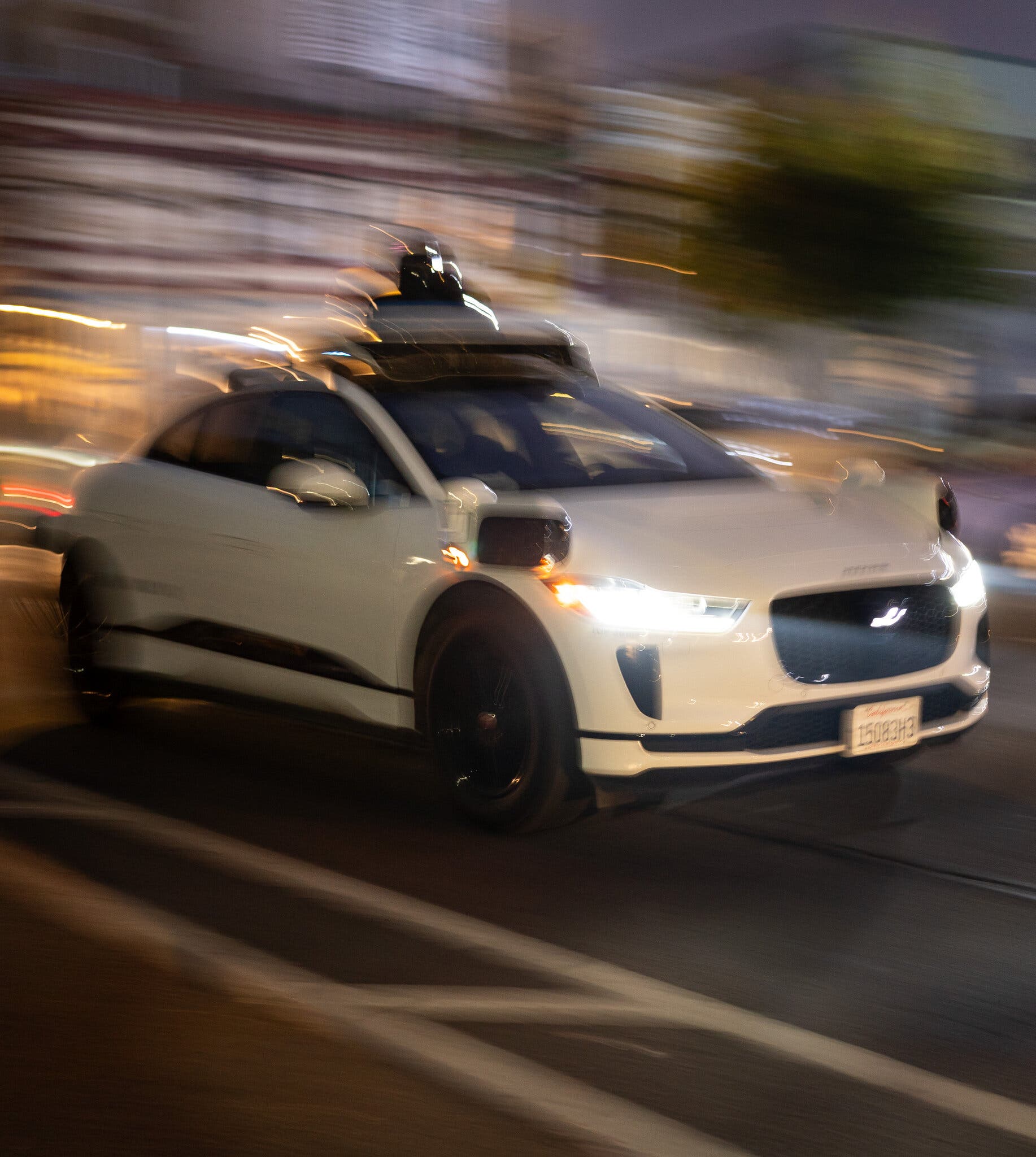
A recent incident involving a passenger trapped inside a self-driving vehicle during what appears to have been a coordinated anti-technology protest has intensified scrutiny over the safety, control, and fail-safe mechanisms of autonomous transportation systems. The episode reportedly unfolded when demonstrators surrounded and obstructed the vehicle, preventing it from navigating away while its automated systems failed to adequately respond to the unpredictable human interference. The passenger was left effectively confined inside the vehicle until authorities intervened, highlighting a critical vulnerability in autonomous mobility—its dependence on predictable environments and limited ability to override or adapt in chaotic, real-world confrontations. The situation has sparked renewed debate over whether these systems are being deployed prematurely in complex urban settings, and whether companies and regulators have sufficiently prioritized human safety and manual override capabilities in scenarios where technology meets civil unrest or targeted disruption.
Sources
https://www.nytimes.com/2026/03/17/technology/trapped-inside-a-self-driving-car-during-an-anti-robot-attack.html
https://www.reuters.com/technology/autonomous-vehicles-safety-protests-urban-deployment-2026-03-18/
https://www.wsj.com/tech/autonomous-vehicles-protest-incidents-safety-debate-2026-03-19
Key Takeaways
- Autonomous vehicles remain highly vulnerable to unpredictable human behavior, especially during protests or coordinated interference.
- Current systems may lack sufficient manual override options or rapid-response safeguards to ensure passenger safety in edge-case scenarios.
- The push to deploy self-driving technology at scale may be outpacing the development of robust real-world safety protocols and regulatory oversight.
In-Depth
The incident underscores a growing tension between technological ambition and real-world practicality. Autonomous vehicles, long touted as the future of transportation, are designed to operate within structured environments governed by predictable rules. However, as this situation demonstrates, real-world conditions are anything but predictable. When faced with deliberate human obstruction, the vehicle’s systems appeared unable to adapt effectively, leaving the passenger in a vulnerable and powerless position. This raises a fundamental question: are these systems truly ready for widespread deployment, or are they being rushed into public spaces without sufficient safeguards?
From a broader perspective, the event also highlights the risks of over-reliance on automation. While proponents argue that self-driving technology reduces human error, critics point out that it introduces a different category of risk—one where passengers may have limited control in critical moments. The inability to quickly override or exit the system during an emergency could prove dangerous, particularly in volatile situations such as protests or targeted attacks. This is not merely a technical issue but a policy one, as regulators must decide how much risk is acceptable in exchange for innovation.
There is also an emerging cultural dimension to consider. Resistance to automation, particularly in public spaces, is not new, but incidents like this suggest that opposition may be becoming more organized and confrontational. Whether driven by economic concerns, distrust of technology, or broader ideological opposition, these actions introduce variables that autonomous systems are not yet equipped to handle. Until these challenges are addressed with clear accountability, stronger safeguards, and realistic deployment strategies, the promise of autonomous vehicles will remain shadowed by legitimate concerns about safety and control.