

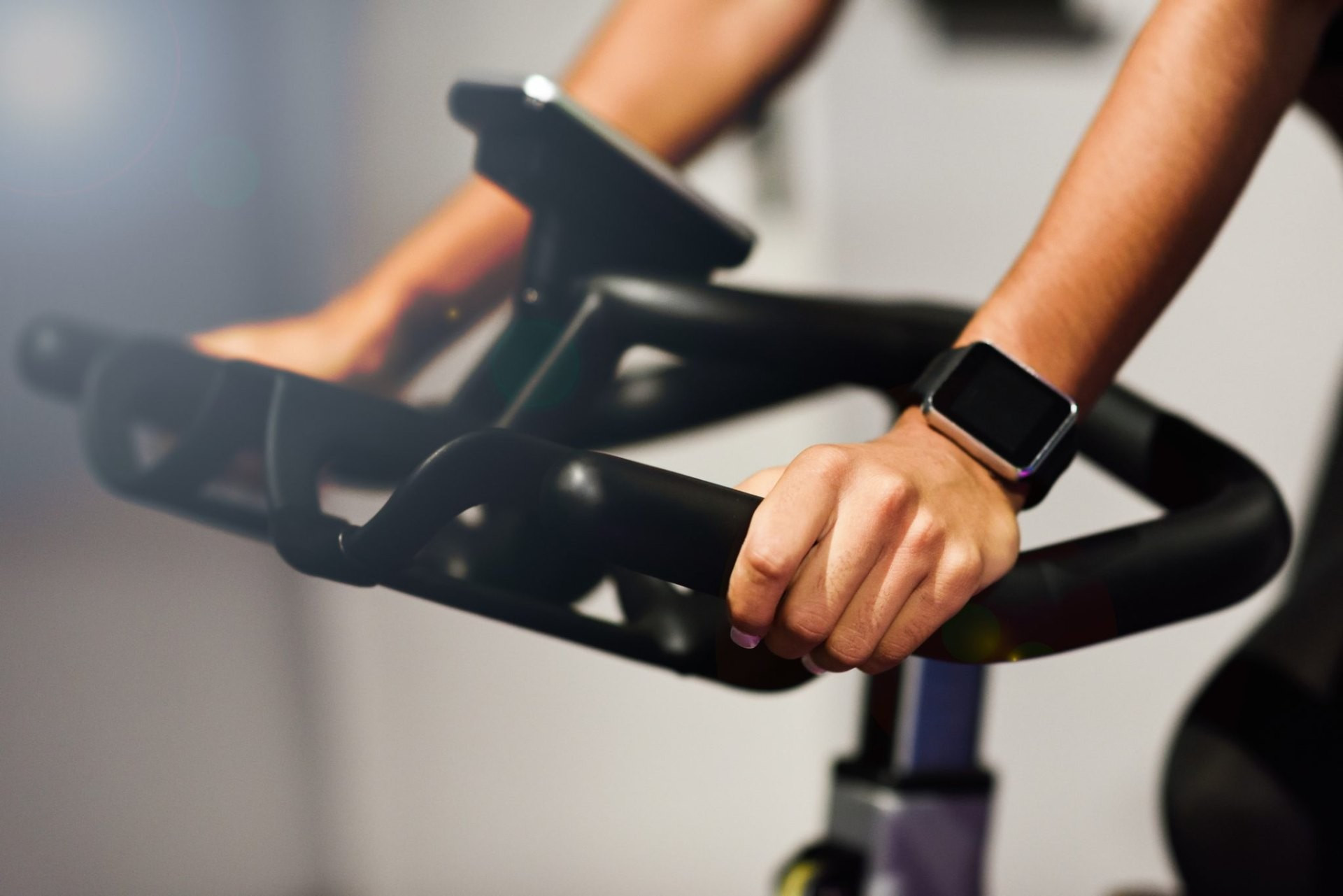
Peloton has announced a voluntary recall of approximately 833,000 units of its Original Series Bike+ (Model PL02) after reports that the seat-post assembly can break during use, creating a fall and injury hazard. According to the U.S. Consumer Product Safety Commission (CPSC), three incidents have been reported in the U.S., including two that resulted in injury. Buyers of the affected machines—sold between January 2020 and April 2025 and bearing serial numbers starting with the letter “T”—are instructed to stop using them immediately and contact Peloton for a free replacement seat post. The manufacturer has already implemented a redesigned post in models built since mid-2023. This recall follows a similar move in 2023 when Peloton recalled over two million bikes for the same type of defect.
Sources: AP News, TechCrunch
Key Takeaways
– Peloton’s recall of around 833,000 Bike+ units underscores serious safety and quality-control issues in its hardware business.
– The affected bikes were sold over a multi-year span and the defect—seat post failure during use—had two reported injuries, indicating a persistent risk even after prior recall actions.
– The recall occurs amid Peloton’s broader business turnaround efforts and may further challenge consumer trust, brand reputation and investor confidence.
In-Depth
Peloton’s decision to recall approximately 833,000 units of its Bike+ Model PL02 is a significant development in the consumer-hardware world and further highlights ongoing challenges for the company. The recall notice, issued in coordination with the U.S. Consumer Product Safety Commission (CPSC), explains that the seat-post assembly can break during use, causing the user to potentially fall and sustain injury. Although the number of reported incidents is small—three in total, with two causing injury—the scope of the recall reflects the seriousness with which regulators and the company are treating the matter.
The affected bicycles were sold between January 2020 and April 2025, and bear serial numbers that begin with the letter “T.” They were distributed through multiple channels including Peloton’s own retail stores, as well as Dick’s Sporting Goods, Amazon, eBay and other outlets. Peloton is offering free replacement seat posts, which users can install themselves at home. The company notes that bikes manufactured after mid-2023 already incorporate an improved design and are not subject to the recall.
From a broader perspective, this is not Peloton’s first recall of this nature. In 2023 the company pulled back more than two million units for a similar seat-post defect in an earlier model (PL01). That earlier episode revealed how product-design and hardware reliability concerns can impose meaningful financial and reputational damage. In the current case, the recall comes at a challenging time for Peloton as it attempts to regain footing after post-pandemic sales softness, elevated product costs, and tariffs that have squeezed margins.
For consumers who own one of the affected bikes, the message is clear: stop use immediately, verify whether your unit is part of the recall by checking the model and serial number, and arrange to receive the replacement seat post from Peloton. From the company’s side, execution of the recall, communication with members, and assurance that the fix is complete will be critical to preserving trust and avoiding further legal or regulatory consequences.
From an investor and strategic standpoint, the recall underscores the fragility of hardware-led growth strategies in today’s fast-moving consumer market. Peloton’s brand has long been associated with premium home-fitness equipment and connected experiences; however, product hardware failures undermine that premium positioning and can accelerate churn, reduce referrals, and elevate warranty and support costs. In a conservative view, this development serves as a cautionary flag: quality and durability matter, especially when a firm is positioning itself as a long-term lifestyle brand rather than a flash-in-the-pan trend.
In short, while the recall is limited in terms of incident count, its scale and context suggest meaningful implications. Peloton must handle this proactively to protect its community, preserve brand integrity and reassure shareholders that it can execute reliably in the hardware domain. The company’s ability to demonstrate that it has fully remedied the flaw and restored consumer confidence will have ramifications for its ongoing turnaround efforts.