

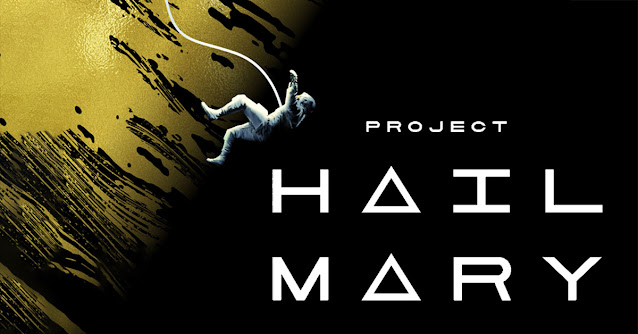
A rare non-franchise film has broken through the noise in a sequel-saturated Hollywood, as “Project Hail Mary” has surged to become Amazon MGM’s biggest theatrical success, posting an $80.5 million domestic opening and quickly climbing past $300 million globally while holding strong in subsequent weeks, signaling that audiences will still show up for original storytelling when it’s done right; the film’s performance not only marks one of the strongest debuts for a non-sequel in recent years but also reflects a broader strategic shift by Amazon toward serious theatrical distribution, with sustained momentum, strong word-of-mouth, and relatively modest drop-offs reinforcing its staying power in a market often dominated by legacy intellectual property.
Sources
https://www.wdrb.com/news/national/box-office-project-hail-mary-blasts-off-with-80-5-million-a-best-for-amazon/article_09dd7169-0320-522d-8d42-1fc50dc6065b.html
https://www.cinemablend.com/movies/box-office/project-hail-mary-awesome-second-weekend-box-office-crossed-another-big-milestone
https://www.wsj.com/business/media/amazon-project-hail-mary-box-office-55609da6
Key Takeaways
- The film delivered a massive $80.5 million opening weekend, the strongest debut in Amazon MGM’s history and one of the top non-franchise openings in years.
- Strong second-week performance and global totals exceeding $300 million indicate sustained audience interest beyond opening hype.
- The success underscores a strategic pivot by Amazon toward traditional theatrical releases, challenging the dominance of streaming-first distribution models.
In-Depth
Hollywood has spent the better part of a decade convincing itself that audiences only respond to familiar brands, sequels, and recycled intellectual property. Then along comes a film like “Project Hail Mary” to remind the industry that the public is still willing to pay for something new—provided it delivers on spectacle, storytelling, and competence. The film’s $80.5 million domestic debut didn’t just top expectations; it set a new benchmark for Amazon MGM, signaling that the company’s ambitions in theatrical distribution are no longer experimental—they’re real.
What’s more telling is what happened after opening weekend. Rather than collapsing under the weight of its own hype, the film posted a strong second weekend with only a modest drop, pushing its global haul past $300 million and maintaining its position at the top of the box office. That kind of staying power is typically reserved for established franchises, not original science fiction properties.
There’s a larger implication here that shouldn’t be ignored. For years, major studios have leaned heavily into risk-averse strategies—sequels, reboots, and cinematic universes—while sidelining original storytelling. Amazon’s willingness to invest roughly $200 million into a non-franchise property, and then commit to a full theatrical rollout, represents a departure from the streaming-first mentality that has dominated its past approach.
The early returns suggest that gamble is paying off. Audiences are responding not just to the scale of the production but to the fact that it offers something different. In a market flooded with predictable content, originality—when executed well—still carries weight. The real question now is whether other studios will take the hint or continue playing it safe while a competitor quietly rewrites the rules.