

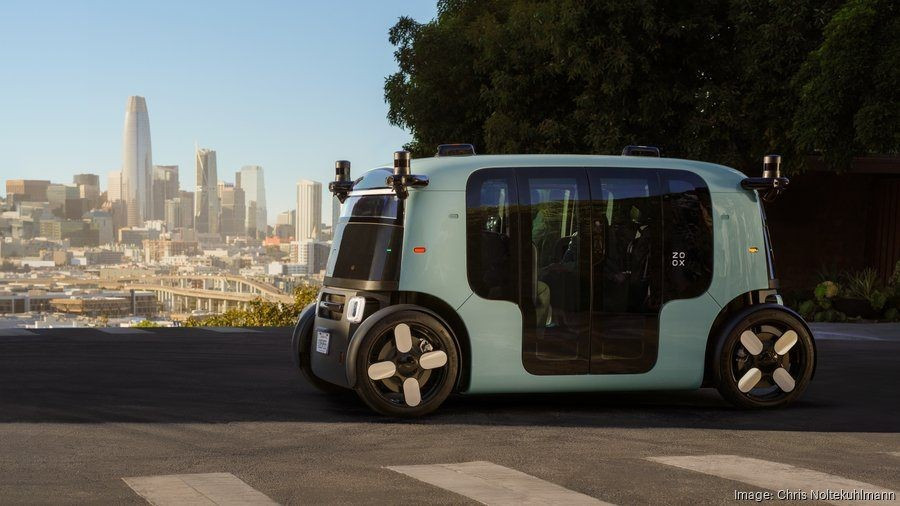
Zoox, the autonomous-vehicle venture owned by Amazon, is now opening up its driverless robotaxi rides to members of the public in San Francisco through a waitlist program dubbed “Zoox Explorers,” covering neighborhoods such as SoMa, Mission and the Design District. The service, initially free and limited in scope, uses purpose-built vehicles without steering wheels or pedals and roughly 50 units currently deployed across San Francisco and Las Vegas. While the service remains under a regulatory exemption (since the vehicles don’t meet standard federal controls), the move marks a significant step in Zoox’s challenge to established players in the driverless-taxi arena.
Sources: The Verge, Business Insider
Key Takeaways
– Zoox’s introduction of public rides in San Francisco signals a significant milestone in the autonomous-taxi market, particularly with purpose-built vehicles rather than retrofits.
– Despite the public launch, the service remains limited (free rides, waitlist access, defined service area) and still subject to regulatory exemptions since the vehicles lack standard controls like steering wheels or pedals.
– The rollout positions Zoox directly against more mature players (such as Waymo), underscoring the intensifying competition in driverless mobility and raising questions about safety, deployment pace, and commercial viability.
In-Depth
In a move that underscores how the autonomous-vehicle industry is rapidly shifting from experimental testing to early commercial operations, Zoox—Amazon’s autonomous mobility arm—has begun welcoming members of the public to ride in its robotaxi vehicles in San Francisco. This rollout may still be modest in scale and scope, yet it marks a meaningful progression in a field that has for years been characterized by cautious trials and limited access.
The service area is currently restricted to central neighborhoods such as SoMa, Mission and the Design District, and those who wish to ride must join a waitlist via the Zoox app. At present, the rides are free and part of a demonstration initiative, not yet a revenue-generating public taxi business. The company has indicated that the goal is to remove the waitlist altogether in 2026, as the fleet expands beyond the roughly 50-vehicle count currently operating in Las Vegas and San Francisco.
One of the notable aspects of Zoox’s approach is its decision to build its robotaxi from the ground up, rather than retrofit an existing vehicle with self-driving hardware. The cabin-style vehicle foregoes conventional driver controls—no steering wheel, no pedals—and seats passengers facing each other like a lounge, offering a glimpse of how mobility can evolve when freed from the paradigm of the driver. This contrasts with many competitors who convert standard cars into autonomous ride-hailing vehicles. The aesthetic and functional redesign aims to signal that this is not simply a vehicle without a driver, but rather a purpose-manufactured autonomous experience.
From a conservative, business-oriented vantage point, several dimensions to this launch merit scrutiny. First, the limited initial service area and free ride model reflect caution—and rightly so. Deploying fully driverless vehicles in dense urban traffic is still high-risk, and running free rides helps gather real-world data and build brand experience without the pressure of immediate profitability. By gradually scaling up rather than launching full-blown commercial operations, Zoox avoids the missteps that have plagued predecessors—such as safety incidents or regulatory blow-backs.
Second, the regulatory structure remains telling: Zoox is operating under an exemption from the U.S. National Highway Traffic Safety Administration because its vehicles do not comply with certain standard controls. This signals two things simultaneously: (1) the regulatory regime is adapting to new vehicle forms faster than some expected, and (2) the company still carries significant operational risk. For investors and stakeholders, the path from demonstration to paid service remains uncertain. Scaling the fleet, moving into full revenue mode, and proving safety metrics will all be prerequisites to a genuinely commercial robotaxi business.
Third, the market implications are becoming more vivid. With Zoox staging a substantive public launch, the narrative shifts from laboratory testing to competition among major players. Waymo, for example, is increasing freeway access in its robotaxi network, signaling that the first mover advantage is shifting into commercial speed rather than mere geography. For conservative observers, the key questions now are: Can Zoox scale safely? Can it turn access into paying riders? Will the regulatory and public-safety ecosystem permit a faster rollout given urban complexity, liability concerns and public perception?
In terms of practical implications for cities like San Francisco, the launch also raises issues around traffic, licensing, and infrastructure integration. Autonomous vehicles promise increased mobility, but in dense downtown corridors they may add complexity—especially during the transition period where human and machine-driven cars share lanes. Municipalities will need to monitor how these fleets integrate with transit, emergency-response operations and existing ride-hailing services, and whether robotaxis further burden curb space or improve congestion.
In sum, Zoox’s step into public rides is less about the individual journey and more about what the mobility ecosystem is transitioning toward. The company appears to be following a measured, business-savvy approach—free rides, limited geography, build brand and safety data first before scaling. For those of us watching from a financially and strategically minded standpoint, this is a signal that the autonomous-mobility era is advancing. The conservative take would be that caution is still justified, but the underlying trajectory is clear: driverless mobility is moving from promise to presence. The remaining questions now concern speed, scale and safety.