

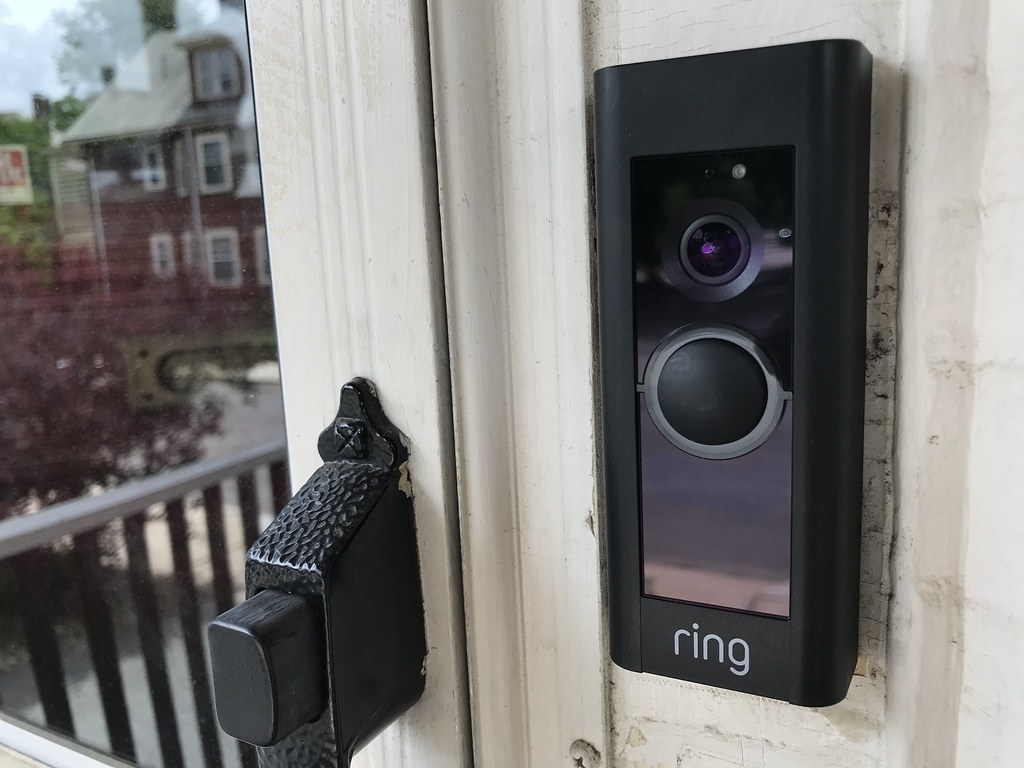
Amazon-owned Ring is making a calculated move to transform its vast network of over 100 million deployed cameras into a broader AI-driven platform, launching a new app store designed to push the company well beyond its traditional home security roots and into sectors like elder care, business analytics, and property management, while simultaneously attempting to navigate intensifying scrutiny over privacy and surveillance concerns; by opening its ecosystem to third-party developers and enabling AI-powered applications that can interpret real-world audio and video data, the company is betting that it can unlock new revenue streams and practical use cases from hardware already embedded in millions of homes, though it is placing guardrails around more controversial capabilities such as facial recognition and license plate tracking in response to growing public skepticism and prior backlash tied to law enforcement partnerships and data-sharing practices.
Sources
https://techcrunch.com/2026/03/31/ring-app-store-bets-on-ai-to-go-beyond-home-security/
https://techbuzz.ai/articles/ring-launches-ai-app-store-to-expand-beyond-home-security
https://arsa.technology/machine-state/ai-cameras-beyond-home-security-rings-app-store-si-s324z96n/
Key Takeaways
- Ring is leveraging its massive installed base of cameras to build a new AI-driven app ecosystem that extends far beyond home security into commercial and caregiving applications.
- The company is inviting third-party developers into its platform, signaling a shift toward a more open, revenue-sharing model built on AI-powered services.
- Privacy concerns remain a central tension, forcing Ring to restrict certain features and tread carefully as it expands capabilities tied to surveillance technology.
In-Depth
Ring’s latest move is not just a product update—it is a strategic repositioning that reflects where the broader tech sector is heading: toward monetizing existing hardware through software ecosystems driven by artificial intelligence. With more than 100 million cameras already in circulation, the company is sitting on what amounts to a massive, real-world data collection network, and it is now attempting to capitalize on that footprint by inviting developers to build applications that interpret and act on that data in meaningful ways.
From a practical standpoint, the early use cases are deliberately positioned to feel constructive and non-threatening. Applications focused on elder care can monitor routine changes or detect falls, while business-oriented tools analyze foot traffic, wait times, or occupancy patterns. Property management tools aim to give landlords and short-term rental operators better oversight without requiring additional hardware investment. The underlying message is clear: this is about extracting more value from devices consumers already own, rather than pushing them to buy more equipment.
But beneath that pitch lies a more consequential shift. By opening its ecosystem to outside developers, Ring is effectively building a parallel app economy—one that operates adjacent to traditional mobile app stores while still benefiting from their distribution. The company takes a cut of transactions, positioning itself as a platform rather than just a hardware vendor. That model has proven enormously successful elsewhere in tech, and Ring appears intent on replicating it within the physical world of connected devices.
At the same time, the company is walking a narrow path politically and culturally. Public unease about surveillance has grown, fueled by past controversies involving data sharing and partnerships with law enforcement. Ring’s leadership is clearly aware of the risk that expanded AI capabilities could amplify those concerns. As a result, it is setting explicit limits on certain types of applications, particularly those involving biometric identification, in an effort to avoid triggering further backlash.
The tension here is unavoidable. The same technology that enables helpful, even life-saving applications can also be perceived as intrusive or overreaching. Ring’s bet is that by emphasizing practical benefits and imposing selective constraints, it can normalize this next phase of AI-powered monitoring without igniting another wave of resistance. Whether that balance holds will determine whether this expansion becomes a new pillar of growth—or a flashpoint in the ongoing debate over privacy and control in an increasingly connected world.