

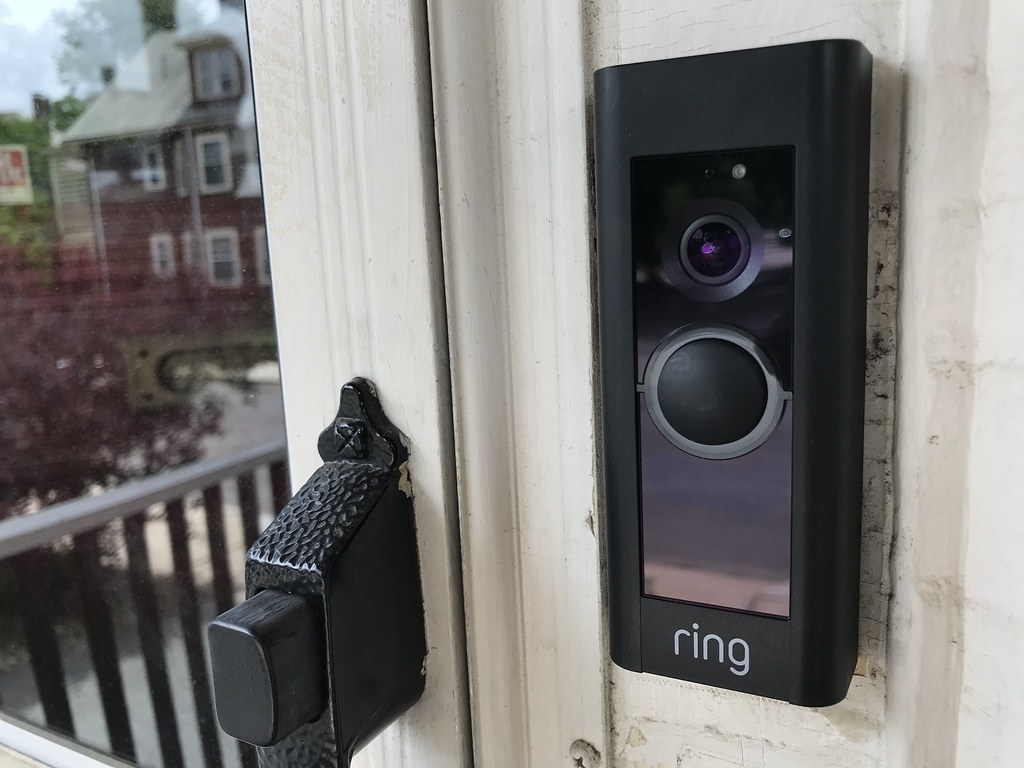
Ring, the Amazon-owned smart security camera maker, has rolled out a new feature called Ring Verify designed to help anyone check whether a video captured by a Ring device has been altered in any way. The verification system embeds a digital security seal into every Ring video downloaded or shared from the company’s cloud starting December 2025; if that seal remains intact, it means the footage has not been changed since it left Ring’s cloud storage, and if it’s broken—even by minor edits like trimming or brightness adjustments—that indicates the video has been modified. This technology gives homeowners and recipients of shared footage a straightforward way to test authenticity amid growing concerns over AI-generated and deepfake videos that can go viral on social platforms, though verification can’t tell you how a video was altered or whether a clip seen on social media came from a Ring device in the first place. Videos recorded with end-to-end encryption and those downloaded before December 2025 currently can’t be verified, and a failed verification doesn’t automatically mean a video is fake—it just signals that the embedded seal is broken or missing. The tool, built on industry standards such as C2PA content credentials, is accessible via a simple web upload where results are returned instantly.
Sources:
https://gizmodo.com/ring-launches-video-verification-tool-to-combat-fakes-2000713587
https://www.theverge.com/news/866441/ring-verify-security-camera-ai-fakes-video-verification
https://www.helpnetsecurity.com/2026/01/23/ring-verify-videos/
Key Takeaways
• Ring Verify embeds a tamper-evident digital seal in videos downloaded or shared from Ring’s cloud beginning December 2025, letting users confirm they haven’t been edited.
• Even small changes like trimming or compressing a video break the verification seal, meaning the tool isn’t a perfect detector of AI fakes but does indicate alteration.
• The system draws on industry-standard content credentials and is accessible via a simple upload on Ring’s verification web page, though encrypted or pre-feature videos can’t be verified.
In-Depth
Ring’s latest move in smart home security is the introduction of a video authenticity feature that addresses a very modern problem: how to tell if a video clip is genuine in an era of increasingly sophisticated digital manipulation tools. Called Ring Verify, this tool isn’t just another gadget update; it’s a response to the proliferation of AI-generated and deepfake videos that blur the line between reality and fabrication, especially on social media platforms where short clips of alleged events can spread rapidly and influence public perception or personal reputation. Security cameras like Ring’s doorbells and outdoor cams have become ubiquitous in American neighborhoods, often serving as evidence in insurance claims, neighborhood disputes, or even criminal investigations. If someone shares a video purporting to show a crime or a suspicious event, a homeowner receiving that clip can now upload it to Ring’s verification portal and get a clear answer about whether the video has been changed since it was originally downloaded from Ring’s cloud storage.
The way it works is straightforward yet technologically sophisticated. Every Ring video that’s downloaded or shared now includes a digital security seal, akin to a tamper-evident label on a package. This seal is built using content credentials based on C2PA (Coalition for Content Provenance and Authenticity) standards, which are designed to certify a piece of content’s origin and integrity. Once that video is taken out of the cloud and given to someone else, uploading it to Ring Verify will tell you if the seal is still intact — meaning the clip is exactly as it was when Ring delivered it — or if it’s been altered. A broken seal doesn’t automatically prove fabrication or malicious intent. It could simply reflect benign edits like trimming a few seconds for clarity, adjusting brightness to make a dark clip more viewable, or the effects of a social media platform compressing the file. However, a broken seal is a strong indicator that the footage isn’t exactly what the sender claims it to be, which can be invaluable in disputes or when making high-stakes decisions based on video evidence.
Critically, the tool has limitations that users should understand in practical terms. First, it only works with Ring videos downloaded or shared from the Ring cloud from December 2025 onward. Anything recorded or saved before that date won’t include the digital seal and thus can’t be verified via this system. Additionally, videos that were recorded with end-to-end encryption enabled are currently not compatible with the verification process; they always return a “not verified” result because the seal isn’t embedded in the same way. Another important caveat is that Ring Verify doesn’t tell you what was changed if the verification fails — it simply confirms that the integrity of the video has been compromised in some fashion. You can’t use it to detect exactly how an AI tool might have manipulated a scene or added or removed visual elements.
Yet despite these limits, Ring Verify represents a significant step in bringing content authenticity tools into the mainstream. For homeowners, neighbors, and even law enforcement or insurance adjusters who rely on shared video footage to make decisions, this feature creates a baseline of trust that was previously unavailable. Before, anyone could share a screenshot or clip claiming it came from a security camera, and there was no easy way to independently confirm that it was genuine. Now, with a couple of clicks, a recipient can separate unaltered Ring footage from something that’s been tweaked — whether for legitimate clarity or for more questionable reasons.
From a broader perspective, this tool signals a shift in how digital trust is being engineered right into consumer products. As AI tools capable of generating realistic video content become more accessible, distinguishing authentic footage from synthetic or altered clips will become critical in areas ranging from journalism and public safety to personal disputes and legal evidence. Ring’s approach — using embedded digital credentials that follow widely accepted standards rather than proprietary formats — also suggests a growing industry acknowledgment that content authenticity needs shared frameworks to be effective. If such technology becomes more widespread across camera manufacturers and social platforms, it could help reestablish the old adage that “seeing is believing” in a context where seeing alone is no longer sufficient evidence of truth.
At its core, Ring Verify doesn’t solve all problems related to fake or manipulated videos, especially those circulating beyond Ring’s ecosystem. It doesn’t analyze AI-generated content outside of Ring’s own device videos, and it doesn’t diagnose what changes were made when a video fails verification. But it does provide a critical, accessible first line of defense for everyday users who want to ensure the footage they’re seeing is exactly what it purports to be without requiring technical expertise or deep forensic tools. In a cultural moment where skepticism about digital media is both widespread and justified, giving users the ability to independently check the authenticity of videos is a practical and empowering innovation.