

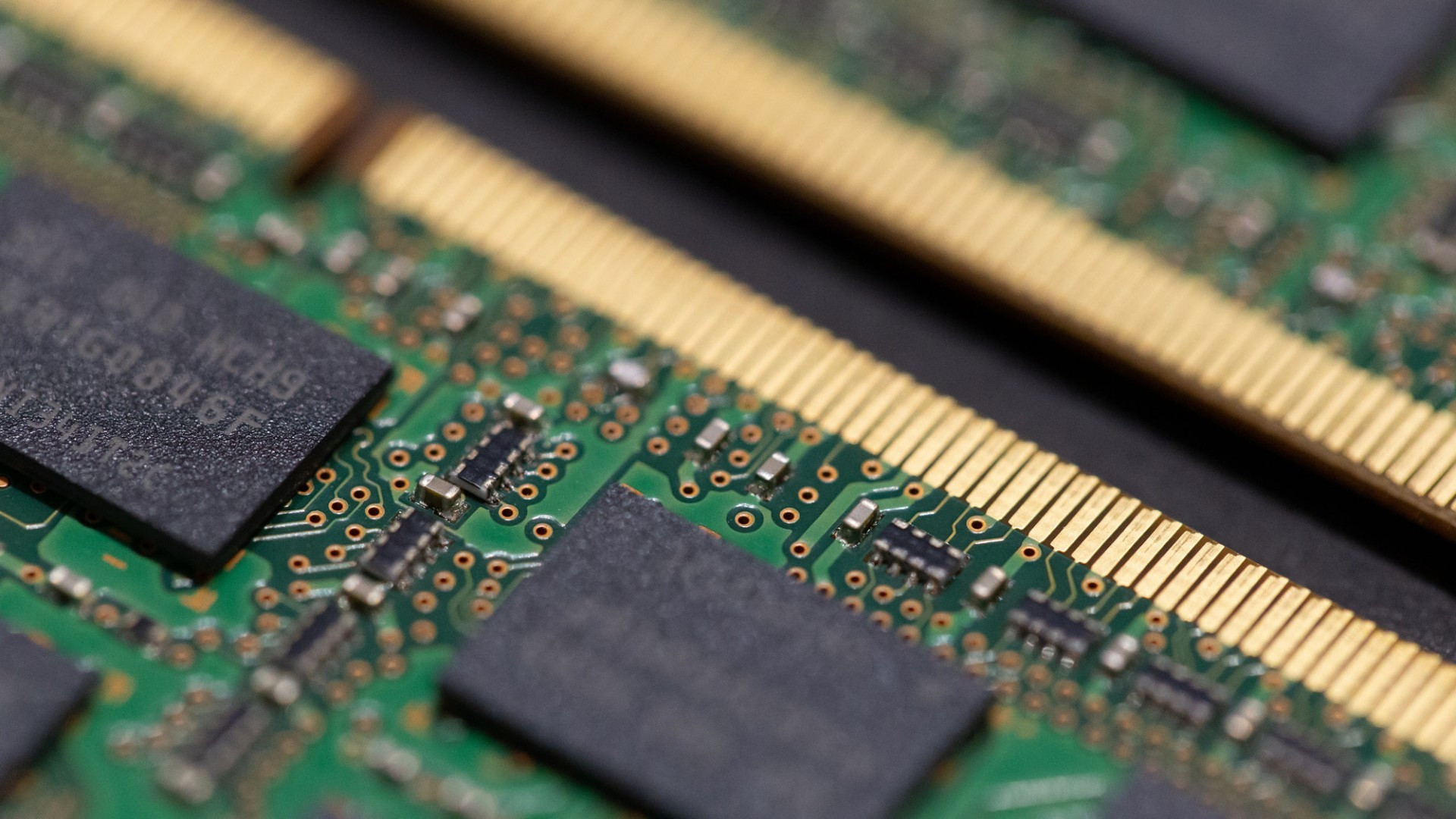
System integrators and custom PC builders are now offering machines without installed RAM, responding to sharply higher memory costs that have driven up the overall price of prebuilt systems and component upgrades. The global shortage of DRAM and NAND memory — fueled by surging demand from large-scale AI infrastructure and strategic manufacturer shifts toward high-bandwidth modules — has led to dramatic price increases for consumer RAM, prompting companies like Paradox Customs to sell “no-RAM” prebuilt PCs and custom builders to adopt bring-your-own-RAM options to keep prices competitive. At the same time, major OEMs and retailers are warning of broad PC price hikes in 2026, with DDR5 and legacy memory prices up substantially and forecasts suggesting further cost pressures throughout the tech hardware market.
Sources: The Verge, Tom’s Hardware
Key Takeaways
• The PC and custom build market is facing a sustained memory shortage that is driving planners to sell systems without RAM installed, shifting cost risk to end customers.
• Industry analysts project overall PC prices to climb further into 2026 as memory remains in short supply and OEMs adjust pricing strategies accordingly.
• Custom builders are innovating with “bring your own RAM” options to mitigate cost impacts for consumers, reflecting widespread cost inflation in key components.
In-Depth
The global memory market has entered what many industry insiders are calling a structural shortage, with consumer DRAM and NAND memory prices climbing to levels not seen in years. Driven by the explosive demand for high-bandwidth memory in large AI datacenter deployments, the bulk of new memory production has shifted toward server-grade modules, leaving commodity PC memory — DDR4 and DDR5 — in comparatively short supply. As a result, retail and contract prices for consumer memory modules have risen sharply, with some reports indicating increases many multiples above average seasonal fluctuations.
For PC system integrators and custom builders, these price pressures have presented real challenges in maintaining competitive price points. Rather than absorb the cost entirely, some firms are now offering machines without RAM installed, allowing customers who already own compatible memory to supply their own modules and avoid paying premium prices. In other cases, companies have launched “bring your own RAM” build programs, where builders validate and install customer-provided memory, effectively decoupling the volatile memory market from the final system price.
These shifts reflect a broader trend: OEMs and large manufacturers are adjusting system pricing and product strategies in response to ongoing component cost inflation. Market research firms now forecast that average PC prices could rise in 2026 as the memory shortage continues to impact supply chains. Dell and other major vendors have already signaled internal pricing adjustments, and custom builders like Maingear are candidly referring to the memory situation as a multi-year problem. Although some mitigation efforts — such as motherboard bundles that include discounted RAM or component promotions from retailers — offer temporary relief, most analysts expect that memory prices will remain elevated well into the next year. For consumers planning PC purchases or upgrades, this environment suggests that acting sooner rather than later may be advisable, as waiting for price normalization could prolong exposure to a market with constrained supply and persistent upward price pressure.