

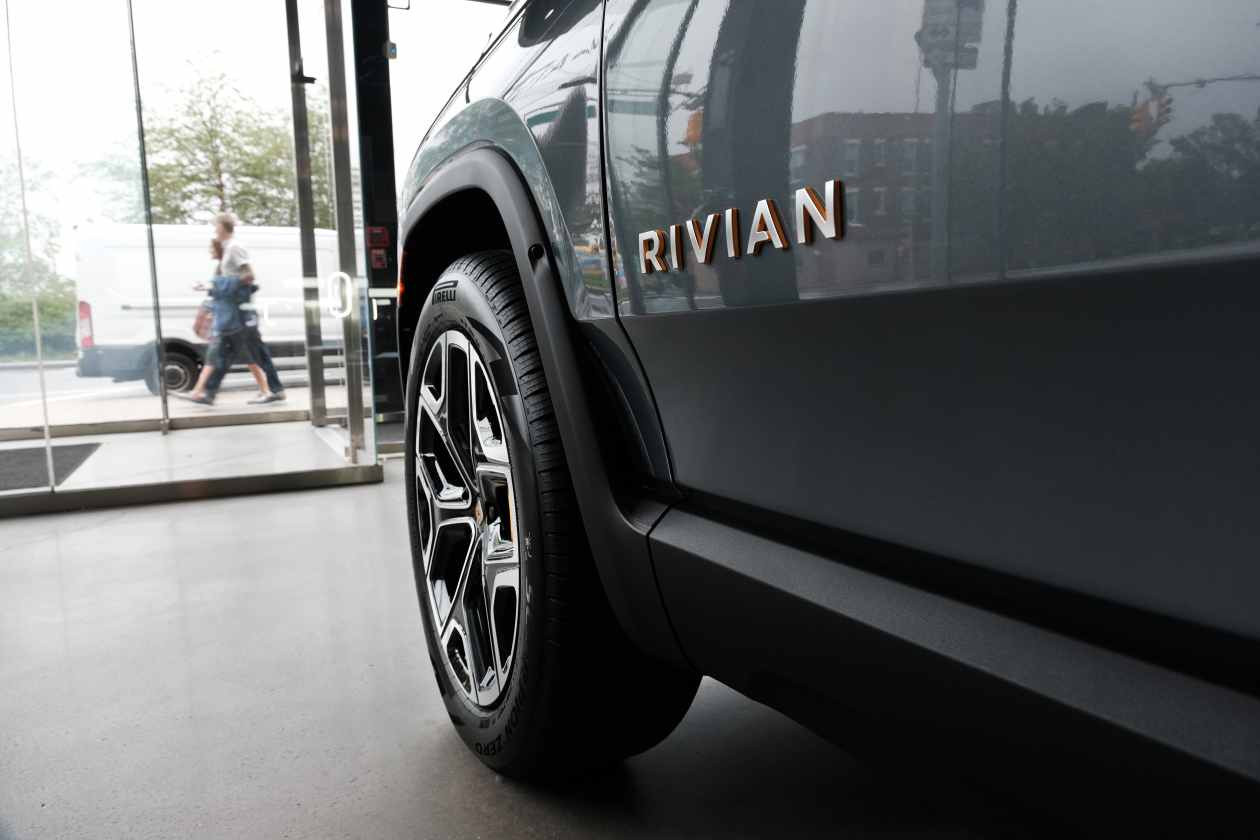
Rivian has effectively conceded that its long-promised path to profitability will be delayed, announcing it will no longer meet its 2027 profit goal as it redirects significant capital toward autonomous driving technology—a move that underscores both the high-stakes race for next-generation vehicle software and the ongoing financial fragility of electric vehicle startups that continue to burn cash in pursuit of future dominance.
Sources
https://techcrunch.com/2026/03/19/rivian-sacrifices-2027-profit-goal-to-push-deeper-into-autonomy/
https://finance.yahoo.com/sectors/technology/articles/rivian-sacrifices-2027-profit-goal-143912266.html
https://www.reuters.com/business/autos-transportation/rivian-surges-upcoming-affordable-suv-powers-ev-delivery-forecast-2026-02-13/
Key Takeaways
- Rivian is prioritizing long-term autonomy development over near-term profitability, signaling a strategic shift toward software-driven vehicle value.
- The company remains unprofitable and is increasing spending despite already facing financial pressure in a competitive EV market.
- Leadership appears to be betting that autonomy—and not just vehicle production—will ultimately determine which companies survive in the EV sector.
In-Depth
Rivian’s decision to walk away from its 2027 profitability target is more than just a financial adjustment—it is a revealing signal about where the electric vehicle industry is heading and how precarious the economics of that sector remain. At its core, the move reflects a calculated gamble: sacrifice near-term financial discipline in favor of building a deeper technological moat in autonomy, an area widely seen as the future profit engine of the automotive world.
This pivot comes at a time when Rivian is still not profitable and continues to operate under the weight of high production costs, scaling challenges, and intensifying competition. Even as the company shows some operational progress—such as projected delivery growth tied to new vehicle launches—it remains far from achieving sustained profitability. The reality is that electric vehicle manufacturing alone has proven to be a low-margin, capital-intensive business, particularly for newer entrants lacking the scale and supply chain advantages of legacy automakers.
Instead of tightening spending to meet earlier financial commitments, Rivian is leaning into a Silicon Valley-style mindset: invest heavily now in breakthrough technology, dominate later. Autonomy, in this context, represents the next frontier—not just for convenience, but for entirely new business models, including software licensing, fleet services, and recurring revenue streams that traditional car sales simply cannot match.
Still, the risks are substantial. Autonomy development has historically taken longer and cost more than anticipated across the industry, and there is no guarantee Rivian will emerge as a leader. The decision to delay profitability may also test investor patience, especially in a market that has grown increasingly skeptical of companies promising future returns while burning cash in the present.
Ultimately, Rivian’s move underscores a broader truth: the EV race is no longer just about building cars—it is about who can control the software that will define the next era of transportation. Whether that bet pays off remains an open question, but for now, Rivian has made clear it is willing to trade financial certainty for technological ambition.