

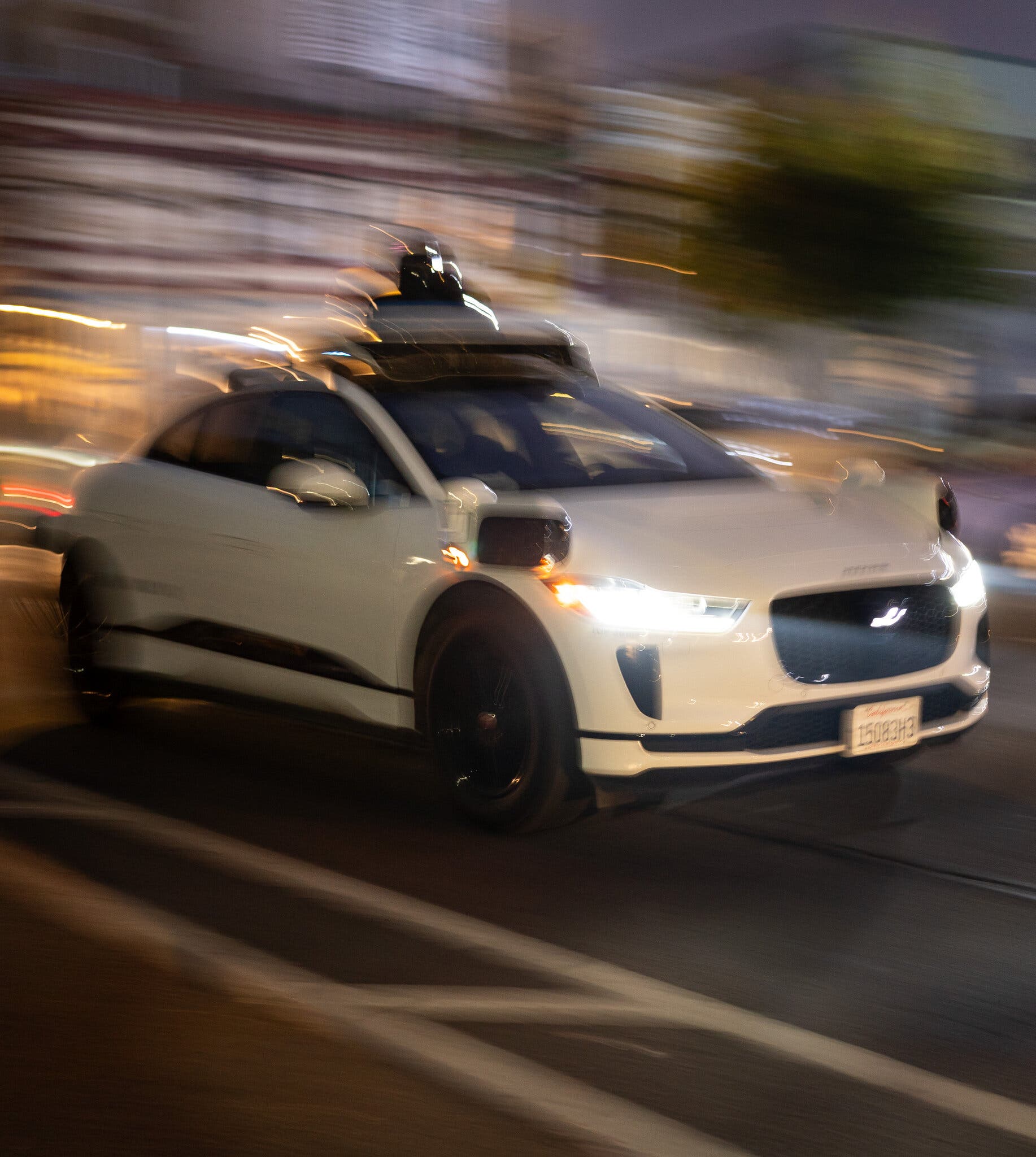
Autonomous vehicle firms operating robotaxi services are declining to disclose how frequently their vehicles require remote human intervention, raising fresh concerns about transparency, safety, and the true state of self-driving technology. While companies continue to market their systems as increasingly autonomous, industry observers note that many deployments still rely on remote operators to resolve edge cases, navigate complex urban scenarios, or intervene during system uncertainty. Critics argue that the lack of standardized reporting obscures meaningful comparisons between companies and limits regulators’ ability to assess risk, while proponents contend that such data is proprietary and could be misleading without context. The issue comes as cities and federal agencies weigh broader adoption of autonomous fleets, with public trust hinging not just on performance claims but on clear, verifiable disclosures about how often human backup is still required behind the scenes.
Sources
https://techcrunch.com/2026/03/31/robotaxi-companies-refuse-to-say-how-often-their-avs-need-remote-help/
https://www.reuters.com/technology/autonomous-vehicle-remote-operators-safety-concerns-2025-11-14/
https://www.theverge.com/2025/12/02/self-driving-cars-remote-assistance-robotaxi-safety
Key Takeaways
- Robotaxi companies are not disclosing how often human operators must intervene remotely, limiting transparency.
- The gap between “fully autonomous” branding and operational reality remains significant in complex driving environments.
- Regulators and the public face challenges in evaluating safety without standardized reporting metrics.
In-Depth
There’s a growing disconnect between how autonomous vehicle companies present their technology and how it actually functions in real-world conditions. On paper, robotaxis are supposed to represent a leap toward fully driverless transportation. In practice, many of these systems still lean on human oversight—just not in the driver’s seat. Instead, that oversight comes from remote operators who step in when the vehicle encounters something it can’t confidently handle.
The refusal to disclose how often these interventions occur is where skepticism starts to harden. If the technology were truly approaching full autonomy, one would expect companies to highlight low intervention rates as a selling point. The silence suggests the numbers may not be flattering—or at least not yet competitive across the industry. That matters, because frequency of intervention is one of the clearest indicators of how “finished” the technology really is.
There’s also a regulatory angle that can’t be ignored. Without consistent reporting standards, policymakers are effectively flying blind. They’re being asked to approve broader deployments based on selective data and carefully managed pilot programs, rather than a transparent look at operational realities. That creates a risk of overconfidence in systems that still depend heavily on human backup.
From a market standpoint, the secrecy may be understandable. These companies are in a race, and revealing operational weaknesses could hand competitors an advantage. But that logic doesn’t hold up well when public safety is involved. If robotaxis are going to scale into everyday infrastructure, the industry will eventually have to trade some of that secrecy for credibility.