

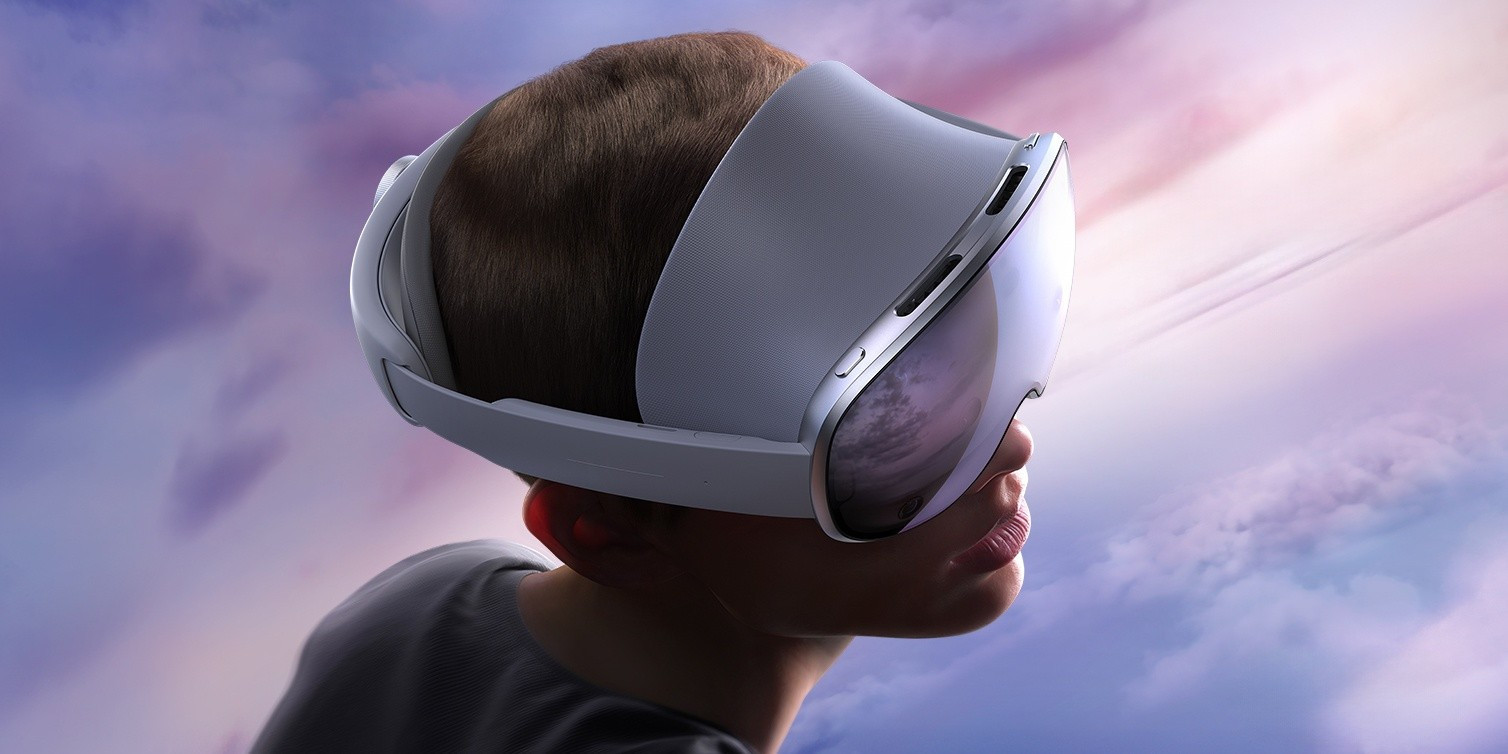
In a bold move, Samsung and Google today unveiled the new headset called “Galaxy XR,” priced at US $1,799, which the companies say is designed to replace multiple devices by combining mixed reality (XR) features powered by the new Android XR operating system. According to multiple reports, the headset is the first device built on Android XR, bringing together immersive displays, hand and eye tracking, a Snapdragon XR2+ Gen 2 chip, and deep integration of Google’s Gemini AI assistant, marking a clear challenge to Apple‘s Vision Pro in the premium XR space. The collaboration positions Samsung as the hardware lead and Google as the software/AI force, with the intent to turn XR from niche into mainstream.
Sources: Wired, Android Central
Key Takeaways
– Samsung and Google’s partnership on Android XR and the Galaxy XR marks a strategic push to bring extended-reality computing into the everyday device ecosystem rather than keeping it niche.
– At US $1,799 the Galaxy XR undercuts Apple’s Vision Pro (~US $3,499) and positions itself as a more affordable premium headset, but remains expensive and clearly aimed at early adopters.
– The device emphasizes productivity and immersive computing (multiple virtual screens, app integration, hand/eye tracking) as much as entertainment, indicating XR is being pitched as a device that could replace laptops or monitors, not just games.
In-Depth
In the shifting landscape of tech hardware, it’s every bit as important who partners with whom as it is what the specs say. The new Galaxy XR by Samsung—and powered by Google’s Android XR platform—is not just another headset. It’s a statement. With a retail price of US $1,799, Samsung and Google are clearly telling the market: XR isn’t a niche gadget anymore—it’s a potential next-generation computing platform. And rather than fighting the battle alone, they’re combining Samsung’s hardware muscle with Google’s software and AI ecosystem.
Android XR, the new OS underpinning the device, brings the familiar environment of Android apps to an immersive, spatial computing format—meaning your productivity apps, browser windows, video calls, and entertainment can all exist around you in 3-D space. The Galaxy XR uses advanced displays (micro-OLED, high refresh), eye tracking, hand tracking, and Google’s Gemini AI built in, enabling direct voice/gesture control and rapid context switching between tasks. This isn’t purely for games or novelty—it’s pitched as a replacement for multiple screens and computing sessions. In today’s world where many people juggle monitors, laptops, tablets, meetings and media at once, that message has serious gravitas.
From a business perspective, the $1,799 price tag is telling. Yes—it’s still pricey, accessible mainly to early adopters or professionals—but it’s significantly less than Apple’s Vision Pro (around $3,499). That gap gives Samsung and Google room to claim value and a broader market ambition. They’re signaling that XR isn’t a closed luxury ecosystem; Android XR is being positioned as open and app-friendly, leveraging the long train of Android apps and Google services. That matters because one of the critiques of prior XR/AR devices has been a lack of ecosystem and practical use cases. With Google’s software experience and Samsung’s global reach, this could be a turning point.
But let’s not ignore the conservative lens: launching a “replacement for everything” is a bold claim, and lofty promises often meet harsh realities. Battery life, comfort for extended wear, heat, ambient integration, real-world durability, enterprise support and the depth of compelling apps will all determine success. The fact that Samsung explicitly frames this as the first step—“just the beginning”—suggests that the current iteration may still be more suited to tech enthusiasts or enterprise pilots rather than mass-market consumers. The reality is, while price is lower than some rivals, $1,799 is still a serious investment and the device will need strong justification beyond geek cred.
From a market tactical view, Samsung’s strategy to partner with Google is smart. Google has struggled with its XR hardware attempts (think Google Glass, Daydream) but remains deeply entrenched in software and AI. Samsung, meanwhile, has the manufacturing, branding, and distribution muscle. Bringing in Qualcomm‘s XR2+ chip adds the performance part of the story. Together, the triumvirate is better positioned to threaten Apple’s dominance in the premium space and perhaps draw in enterprise customers (who might use XR for training, design, remote collaboration) as well as forward-looking consumers.
If this works, the implication is larger: we could be entering a computing era where the “display device” is no longer a flat screen in front of you, but a spatial environment around you—your browser windows, apps, dashboards all float around, you move your head or gaze to activate them, voice or gesture selects them. Your “desktop” becomes the room. That’s a radical shift. For developers, app makers, industries (manufacturing, training, remote work) this opens new possibilities — and competitive pressure on companies that haven’t yet seriously invested in XR.
On the other hand, the device’s success is not guaranteed. VR/AR has seen many false starts over the past decade, with high hopes and limited consumer traction. How comfortable will everyday users be wearing a headset for hours? Are the use-cases compelling beyond novelty? Will developers invest enough to produce rich apps rather than ports? And will this device gain broader social acceptance (vs being seen as a gimmick)? These are real questions. Samsung and Google are making the right moves—open ecosystem, strong price positioning, high-end hardware—but all the pieces have to come together.
In the broader conservative worldview, the collaboration underscores how two major multinational tech players are still seeking to define the next platform. It signals the continuing shift of computing power from desktop/laptop into wearable/immersive formats, and how control of the ecosystem (hardware + OS + apps + services) remains central. The move also raises questions about digital privacy, ecosystem lock-in (even if Android XR is more open than some alternatives), and the real return on investment for consumers. For companies and individuals looking to adopt, the question becomes: is this device replacing multiple gadgets for me? Or is it a premium gadget that adds novelty but rarely replaces anything substantial?
In summary, the Galaxy XR and Android XR launch is a major moment. Samsung and Google are staking their claim in the XR arena, and the $1,799 device is the first shot. If developers, consumers and enterprises embrace the platform, we might see XR move from curiosity into category. If not, it may join the list of well-featured gadgets that failed to break wide. Either way, it’s one to watch.