

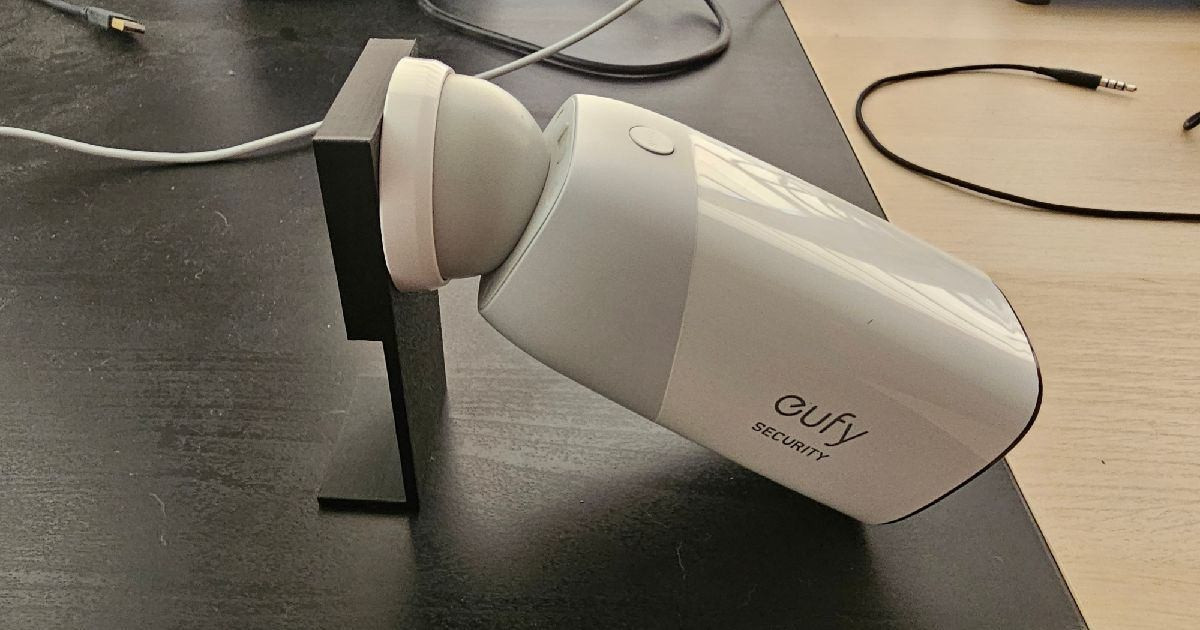
Recent reports highlight renewed scrutiny of Anker-owned Eufy’s home security gear, as Congress’s Select Committee on China lumps the company into a larger national security discussion, citing alleged tariff evasion and ties to China. The spotlight adds to earlier controversies over Eufy’s claims about privacy and encryption: the company had to admit that some video streams sent through its web portal were unencrypted, despite marketing promises of “always encrypted” local storage. Meanwhile, New York’s Attorney General secured a $450,000 settlement from companies distributing Eufy products over lapses in data security, including cases where active video feeds were exposed via publicly accessible links.
Sources: New York Attorney General’s Office, The Verge
Key Takeaways
– Eufy’s marketing of “local-only” storage and “always encrypted” video was undermined when it conceded that live and recorded streams to its web portal could at times be delivered unencrypted.
– Regulatory enforcement is catching up: New York’s Attorney General forced a settlement over the security gaps, mandating stronger consumer protections and penalties.
– Eufy now finds itself caught in broader geopolitical and regulatory currents, including U.S. congressional scrutiny over ties to China and alleged tariff manipulation.
In-Depth
The Eufy security camera saga has resurfaced in a more politically charged context. On one hand, you have the technical mess of encryption promises gone awry; on the other, the company is now under scrutiny from U.S. lawmakers accusing it of deeper, structural risks.
Back in 2022–2023, Eufy (an Anker brand) was exposed by independent researchers and tech journalists for failing to deliver on its privacy promises. Eufy had long claimed that its cameras operated entirely “locally” — that is, no data ever left your home network except under user control, and that all streams and storage were end-to-end encrypted. Yet investigations found that some of the video data streamed via Eufy’s web portal was not encrypted, and in some cases active feeds could be accessed without authentication just by using the URL. Users even demonstrated that one could open streams via VLC or other media software, undermining Eufy’s assurances. Eufy eventually admitted the issues and pledged to fix them, including rolling out WebRTC (which supports built-in encryption) and hardening its portal infrastructure.
But admissions and fixes don’t always rebuild trust. Following an investigation, New York’s Attorney General Letitia James forced a $450,000 settlement against companies distributing Eufy products. The probe revealed that Eufy video streams were sometimes left unencrypted, and that active feeds could be accessed via publicly guessable URLs without passwords or verification. The settlement not only extracted financial penalties, but demanded stronger safeguards and oversight going forward.
The timing of this regulatory action coincides with greater political tension around Chinese tech firms. The Verge’s recent article ties Eufy/Anker into congressional investigations, highlighting accusations of tariff evasion and suggesting that Eufy could pose broader national security risks. These developments place the camera maker in a precarious position: beyond consumer trust, there is now geopolitical and compliance pressure.
From a conservative standpoint, this story underscores a few durable principles. First: claims of “privacy by default” or “100% encrypted” should always be treated skeptically unless backed by verifiable audit and accountability. Secondly: companies—even in consumer electronics—must factor regulatory risk and geopolitical exposure into product design and supply chains, especially when operating across sensitive jurisdictions. And third: legal and reputational backlash can be far costlier (monetarily and in brand equity) than initial safeguards would have been.
In short, Eufy’s privacy narrative has lost credibility. The company now faces the uphill task of not only patching technical lapses, but reestablishing trust in a landscape where regulatory, consumer, and political scrutiny all collide.