

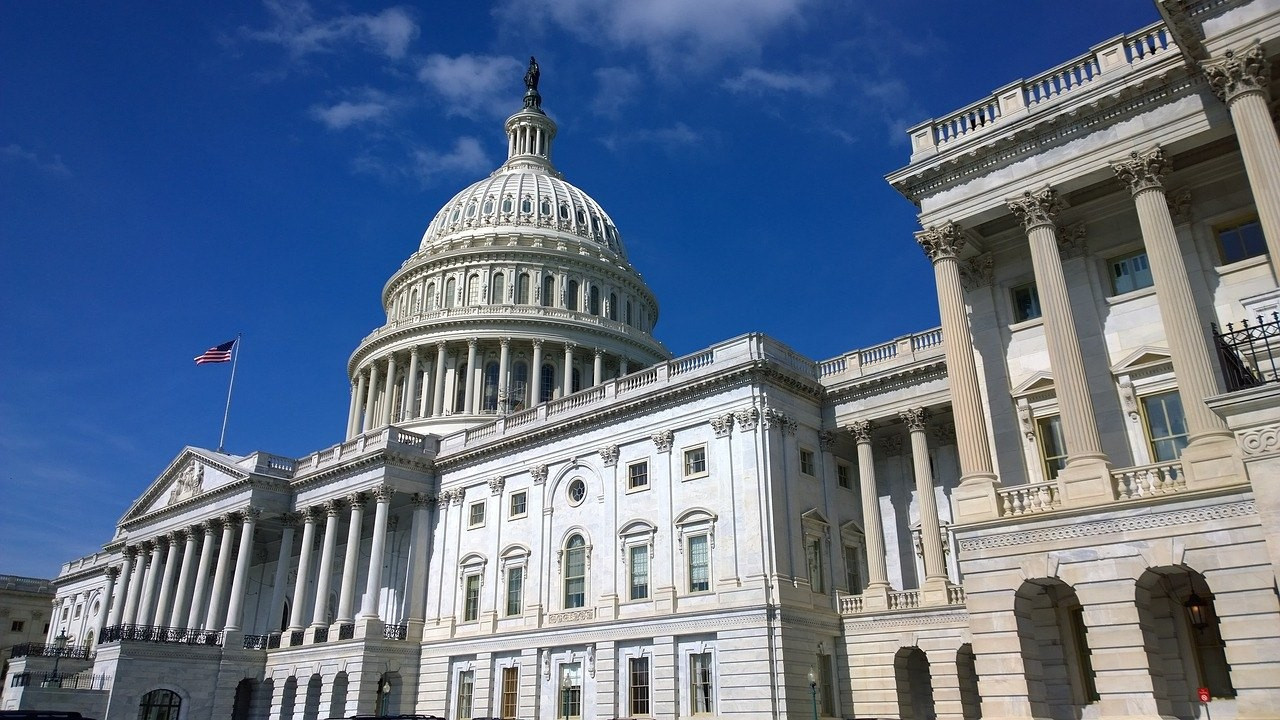
A bipartisan push in the U.S. Senate is intensifying scrutiny of the massive energy demands driven by the artificial intelligence boom, with lawmakers pressing federal regulators to require detailed reporting from data centers on their electricity usage and its impact on the nation’s power grid and consumer costs. Senators have urged the Energy Information Administration to establish mandatory annual disclosures, arguing that the absence of standardized data on large-scale energy consumption threatens effective grid planning as demand surges after years of stagnation. The move comes amid a broader political and public backlash against the rapid expansion of data centers, which have seen electricity consumption skyrocket—driven in part by AI workloads—and are projected to dramatically increase power demand in the coming decade. At the same time, lawmakers across the spectrum are exploring additional regulatory actions, including proposals to halt new data center construction until clearer rules are in place, underscoring growing concern that unchecked expansion could strain infrastructure, raise electricity prices for American households, and outpace the government’s ability to respond.
Sources
https://techcrunch.com/2026/03/26/data-centers-get-ready-the-senate-wants-to-see-your-power-bills/
https://www.wired.com/story/senators-demand-to-know-how-much-energy-data-centers-use
https://www.theverge.com/ai-artificial-intelligence/902546/data-centers-ai-energy-power-grids-controversy
Key Takeaways
- Lawmakers are pushing for mandatory reporting of data center energy use, signaling a shift toward tighter federal oversight of AI infrastructure.
- Explosive growth in AI-driven data centers is placing increasing strain on the U.S. power grid, raising concerns about reliability and long-term capacity.
- Rising electricity demand from data centers could translate into higher costs for consumers, fueling bipartisan political pressure for regulatory action.
In-Depth
The political establishment is finally catching up to a reality that has been building quietly for years: the infrastructure powering artificial intelligence is not virtual—it is deeply physical, energy-intensive, and increasingly consequential for everyday Americans. What began as a technological arms race has now become an energy policy issue, and lawmakers are recognizing that the country’s electrical grid may not be prepared for what is coming next.
At the center of the debate is the simple fact that data centers—especially those designed for AI workloads—consume enormous amounts of electricity. Unlike traditional computing infrastructure, AI systems require vast clusters of high-performance processors running continuously, often drawing power at levels comparable to small cities. The rapid scaling of these facilities has caught regulators off guard, leaving policymakers with incomplete data about how much energy is being used, where it is being sourced, and how it affects broader grid stability.
That lack of transparency is what triggered the Senate’s latest move. By pushing for mandatory reporting requirements, lawmakers are attempting to impose a basic level of accountability on an industry that has largely operated ahead of formal oversight. From a governance standpoint, this is a foundational step. Without reliable data, policymakers cannot make informed decisions about grid expansion, pricing structures, or energy allocation.
But the issue extends beyond simple data collection. The underlying concern—one that resonates strongly across political lines—is that the costs associated with powering the AI revolution could ultimately be passed on to consumers. Electricity markets are interconnected, and when demand spikes in one sector, it can ripple outward, affecting pricing and availability for everyone. Early indicators suggest that data center growth is already contributing to increased pressure on local grids, and in some regions, utilities are scrambling to keep up.
There is also a broader strategic dimension to this debate. The United States is engaged in a global competition for technological dominance, and AI sits at the center of that contest. Policymakers are walking a fine line between encouraging innovation and ensuring that the infrastructure supporting it does not undermine economic stability or public confidence. Calls for moratoriums or stricter controls reflect a growing unease that the pace of development may be outstripping the country’s ability to manage its consequences.
At its core, this is not just a technology story—it is a resource allocation story. Energy, once taken for granted in the digital age, is reasserting itself as a limiting factor. The decisions made now about transparency, regulation, and infrastructure investment will shape not only the future of AI, but also the cost of living and the resilience of the nation’s power systems.