

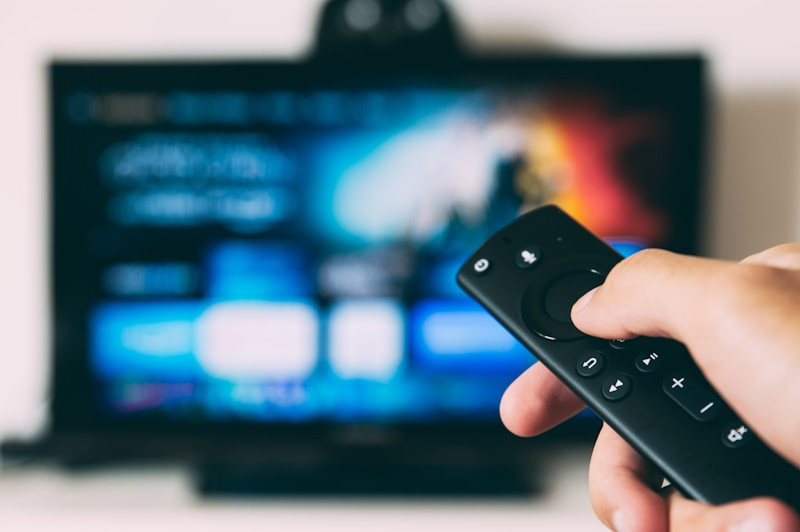
Streaming-capable devices from major brands like Roku, Amazon Fire TV, Samsung, LG and others are reportedly employing automatic content recognition (ACR) technology to monitor what users watch—even down to cable shows and Blu-ray playback—often without explicit consent. According to a recent article on WebProNews, these devices leverage built-in sensors and software to collect data on viewing habits, ambient conversations, IP addresses and device IDs, then feed that information into detailed user profiles for targeted advertising. WebProNews notes that many opt-out controls are buried deep within device settings and that only a proactive user can disable these tracking features. This tactic has drawn scrutiny from privacy advocates calling for tighter regulatory oversight and clearer disclosure from manufacturers. Alongside WebProNews, reporting by Consumer Reports highlights how smart TVs and streaming devices use ACR and other monitoring methods to collect data even when users assume their privacy is intact; and MoneyTalksNews underscores how the ad-tech industry views each viewer’s data as highly valuable, leveraging ACR to collect and monetize behavior without full transparency.
Sources: WebPro News, Consumer Reports
Key Takeaways
– Smart TVs and streaming devices are increasingly equipped with ACR and other tracking technologies that capture what you watch (even via HDMI inputs) and feed that into data-profiles sold to advertisers.
– Although manufacturers often offer an opt-out or disable option, those controls are frequently hidden, reset by firmware updates, or require persistent user vigilance to maintain.
– The monetization of viewing-data raises significant privacy concerns and has spurred calls for regulatory intervention to enforce clearer disclosures, default opt-outs, and greater consumer control.
In-Depth
In today’s digital entertainment environment, the notion of simply “watching TV” is far from passive. Devices that consumers purchase to stream their favourite shows and movies are quietly doing double duty as data-gathering tools—and many users don’t realize the extent. Recently published commentary on WebProNews explains that streaming media boxes and smart TVs deploy automatic content recognition (ACR) and other monitoring tools to track what viewers watch, how long they watch it, and in some cases record ambient audio or detect voice commands. This data—mapped to device IDs, IP addresses, and demographic information—becomes part of a profile sold or shared with advertisers and third-party data brokers.
Consumer Reports further exposes that the hardware manufacturers behind major brands embed these tracking systems across smart televisions and streaming devices and that the opt-out settings required to disable them are often non-intuitive or reset automatically via firmware updates or software patches. What’s worse, the average consumer may assume that plugging in a streaming stick or smart TV simply gives access to apps, without realizing the trade-off: ongoing monitoring of their viewing behaviour. MoneyTalksNews adds to this by pointing out the business dimension: your living-room viewing habits are worth money—ad-tech firms estimate that a single viewer may be worth tens of dollars annually—and so there is a strong financial incentive for tech companies to maintain and expand these tracking mechanisms.
From a policy perspective, these practices raise red flags for those of us who believe in minimal government intrusion, personal responsibility and transparent business practices. While data collection is not inherently evil, when it happens without clear and proactive consent, the consumer is at a disadvantage. For people who value privacy, the path forward demands both awareness and action: checking device settings to disable tracking features, ensuring firmware updates don’t reset those preferences, and considering hardware alternatives that place fewer tracking burdens on the user. Some specialists point out that opting for a streaming device known for stronger privacy protections or simply using a non-smart “dumb” TV with an external streaming box may reduce the data exposure risk.
Ultimately, the balance between convenience and privacy is now being tested in living rooms across America. Streaming devices offer unprecedented access and simplicity—but they come with a hidden cost: your viewing habits and even ambient behaviour are no longer private by default. If you treat your entertainment platform as a surveillance device, then you should act like you have one.